A baby vomiting after breastfeeding can be caused by mild conditions such as being too full, feeding too quickly, swallowing too much air, or spit-up. Projectile vomiting, green-colored vomit, blood in the vomit, or signs of dehydration require prompt medical attention.
Seeing your baby vomit after breastfeeding can certainly make Moms worried, especially if it happens repeatedly. However, not every fluid that comes out of your little one's mouth is vomit, as some may simply be normal spit-up.
Vomiting usually comes out with greater force and may make the baby appear uncomfortable. Meanwhile, spit-up generally flows out without strong contractions, and the baby usually remains comfortable afterward.
Common Causes of Baby Vomiting After Breastfeeding
A baby may vomit after breastfeeding for various reasons, ranging from drinking too much milk to their position after feeding. Here are some common causes of baby vomiting after breastfeeding that Moms should know:
1. Being Too Full from Breast Milk
A baby's stomach is still small, so giving too much breast milk at one time can cause the stomach to become overly full. This condition may cause some of the breast milk to come back up as vomit.
2. Baby Drinks Breast Milk Too Quickly
A fast milk flow can cause your little one to swallow milk faster than their stomach can handle. Your little one may also swallow more air, making the stomach feel full and triggering the milk to come back up.
3. Baby Breastfeeds While Crying
When crying, your little one may swallow more air while trying to breastfeed. The air entering the stomach can make it feel full and increase the likelihood of vomiting after breastfeeding.
4. Swallowing Too Much Air Due to Improper Latch
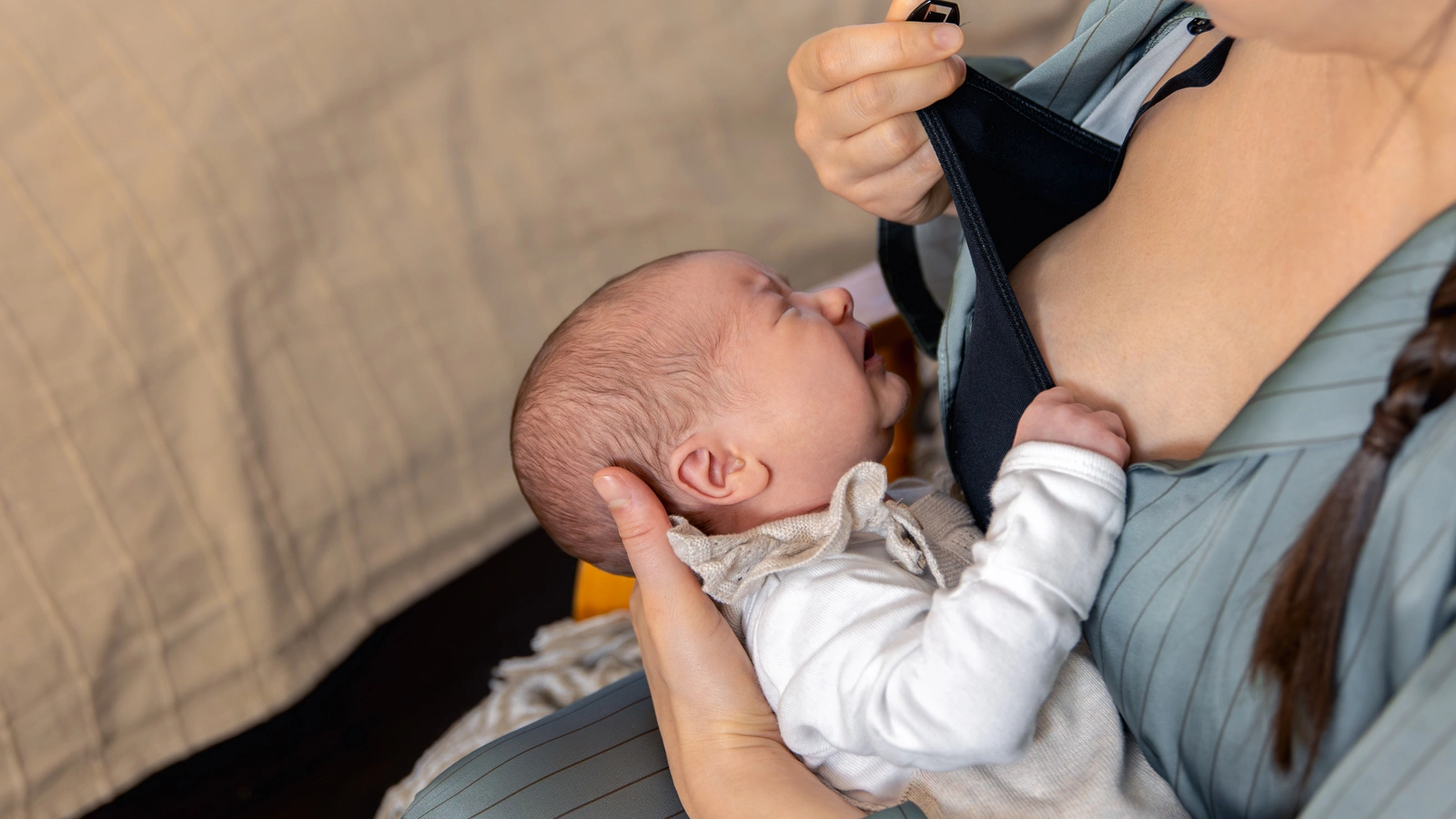
An improper latch can cause your little one to swallow more air while breastfeeding. Make sure your baby's mouth is wide open and takes in most of the areola, with the lips flanged outward, the chin touching the breast, and the nose remaining clear.
5. Spit-Up
Spit-up is when a small amount of breast milk comes out of a baby's mouth without strong force. This often occurs because the valve between the baby's esophagus and stomach is still developing, making it easier for breast milk to flow back up.
6. Gastroesophageal Reflux
Gastroesophageal reflux (GER) occurs when stomach contents flow back up into the esophagus. In babies, this can happen because the muscle at the bottom of the esophagus has not fully matured. It usually begins to improve after 6 months of age and becomes less frequent by 12–18 months.
7. Being Too Active After Breastfeeding
Engaging your little one in active play, moving their body around, or bouncing them immediately after breastfeeding can cause breast milk to come back up. Give your baby around 20–30 minutes of quiet time after feeding by holding them upright so that stomach contents are less likely to flow back up.
8. Lying Down Immediately After Breastfeeding
Lying down immediately after breastfeeding can make it easier for breast milk to flow back into the esophagus and trigger vomiting. Moms can hold your little one upright for around 20–30 minutes after breastfeeding and burp them if needed before laying them down again.
Causes of Baby Vomiting After Breastfeeding That Require Attention
If your little one continues to vomit after breastfeeding and experiences other symptoms, it may indicate a condition that requires medical examination. Possible causes include allergies, infections, GERD, and digestive tract disorders.
1. Allergies
A breastfed baby can still develop a cow's milk protein allergy because proteins from foods consumed by Moms can pass into breast milk in small amounts and trigger a reaction in sensitive babies. Symptoms may include vomiting, rash or eczema, diarrhea, constipation, colic, and blood in the stool.
2. Lactose Intolerance
Lactose intolerance occurs when the body has difficulty digesting lactose, a natural sugar found in breast milk and milk. This condition can cause diarrhea, stomach pain, stomach rumbling, excessive gas, and vomiting. However, lactose intolerance in babies, including breastfed babies, is relatively rare.
3. Gastrointestinal Infection
Gastrointestinal infections can cause vomiting because the baby's digestive system becomes inflamed. Vomiting may be accompanied by diarrhea, fever, decreased activity, and signs of dehydration, so Moms should monitor the baby's condition carefully.
4. GERD
GERD is a condition in which reflux causes more problematic symptoms or complications compared with normal infant reflux. Your little one may vomit frequently, have difficulty breastfeeding, refuse to breastfeed, appear to be in pain, or experience inadequate weight gain.
5. Pyloric Stenosis
Pyloric stenosis occurs when the muscle at the stomach's outlet becomes thickened, making it difficult for food to pass into the intestines. A characteristic sign is forceful projectile vomiting after feeding, often followed by the baby becoming hungry again and showing signs of dehydration. This condition typically begins to cause symptoms when babies are around 3–6 weeks old and requires medical examination and treatment.
6. Hirschsprung Disease
Hirschsprung disease is a congenital condition in which part of the large intestine lacks the nerve cells needed to move stool. Signs that may appear in newborns include not having a bowel movement within the first 48 hours, a swollen abdomen, difficulty feeding, or green or brown vomit.
7. Other Medical Conditions
Repeated vomiting can also be associated with other digestive tract disorders or certain infections. Seek medical attention immediately if the vomit is green or yellow, contains blood, the baby has difficulty breathing, refuses to breastfeed, is extremely lethargic, or shows signs of dehydration.
How to Prevent Baby Vomiting After Breastfeeding
Certain breastfeeding practices can help reduce the risk of your little one vomiting or spitting up after breastfeeding. Moms can try the following:
- Breastfeed when the baby starts showing signs of hunger. Do not wait until the baby is crying intensely so they can feed more calmly.
- Pay attention to the breastfeeding position. Make sure the baby's head and body are in a comfortable position, with the head slightly higher than the stomach.
- Ensure a proper latch. Make sure the baby's mouth is wide open and takes in most of the areola to help reduce swallowed air.
- Give smaller amounts of breast milk more frequently. This can help prevent the baby's stomach from becoming too full during one feeding session.
- Burp the baby after breastfeeding. Help your little one burp, especially if they appear to have swallowed a lot of air while feeding.
- Avoid activities after breastfeeding. Delay tummy time, active play, or bouncing your little one to prevent breast milk from flowing back up.
- Use comfortable clothing and diapers. Avoid clothing or diapers that are too tight, as they can put pressure on your little one's stomach.
- Watch for possible food allergies. If repeated vomiting is accompanied by a rash, eczema, diarrhea, or blood in the stool, consult a doctor to determine whether a food allergy may be involved.
By adopting proper breastfeeding practices, you can help reduce the risk of your baby vomiting or spitting up after breastfeeding. However, if vomiting continues, occurs in large amounts, or is accompanied by other warning signs, consult a doctor immediately.
Conclusion
A baby vomiting after breastfeeding does not always indicate a health problem, as spit-up and mild reflux are fairly common in babies. Being too full, breastfeeding too quickly, swallowing too much air, or becoming active immediately after feeding can also trigger vomiting.
Moms can help reduce these symptoms by improving the baby's latch, breastfeeding according to hunger cues, burping your little one, keeping them in a comfortable position after feeding, and avoiding active activities after breastfeeding. However, projectile vomiting, green or bloody vomit, difficulty breastfeeding, a swollen abdomen, extreme lethargy, or signs of dehydration require immediate medical attention.
In addition to paying attention to your little one's digestive health, everyday comfort is equally important. To support your baby's activities with a thin and soft diaper, Moms can choose MAKUKU Slim Luxury Silky, which uses SAP Thin Core Technology and Natural Fine Silk, is as thin as 1.6 mm, and provides up to 12 hours of protection.
FAQ
1. Is a baby vomiting after breastfeeding always dangerous?
Not always, Moms. If only a small amount comes out, there is no projectile vomiting, your little one remains active, is willing to breastfeed, and is gaining weight well, it may simply be normal spit-up or reflux.
2. What is the difference between spit-up and vomiting in babies?
Spit-up usually comes out without strong force, and the baby remains comfortable. Vomiting generally occurs with stronger contractions or force and may make your little one appear uncomfortable.
3. Can a baby who spits up go straight to sleep?
Yes, but the baby should still be placed on their back to sleep on a firm, flat surface. Do not place the baby on their side or stomach to prevent spit-up, as these positions can actually increase the risk of sudden infant death.