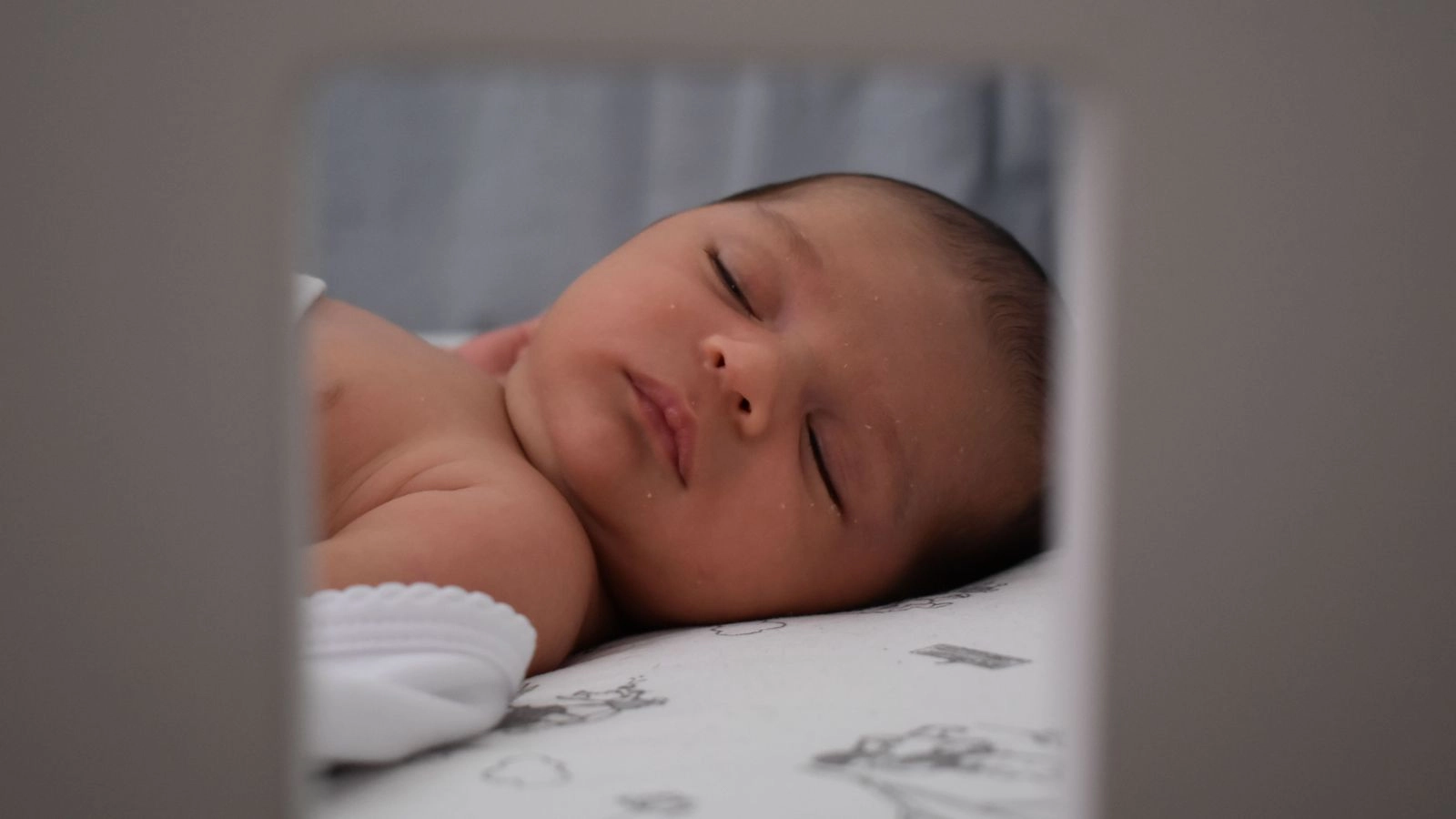
The safest recommended sleeping position for babies is on their backs every time they sleep, both at night and during naps. Babies should sleep on a firm, flat, non-inclined surface with a fitted sheet and no pillows, loose blankets, stuffed toys, bumpers, or other soft objects in the sleep area.
Sleep plays an important role in a baby's growth and development. However, how babies sleep also deserves attention, as unsafe sleeping positions and environments can increase the risk of sleep-related deaths, including Sudden Infant Death Syndrome (SIDS).
Therefore, Moms should establish safe sleeping habits for their little ones from birth. Placing babies on their backs on a firm, flat sleeping surface and keeping the sleep area free of soft objects are essential parts of safe sleep practices.
What Is SIDS?
SIDS, or Sudden Infant Death Syndrome, is the sudden and unexpected death of an infant, which generally occurs during sleep and remains unexplained even after the necessary investigations have been conducted.
The risk of SIDS can be reduced by creating a safe sleep environment, although not all sleep-related deaths can be prevented. One important step is to always place babies on their backs when sleeping. This recommendation applies to both daytime naps and nighttime sleep until babies reach 1 year of age.
What Is the Proper Sleeping Position for Babies?
Creating a safe sleeping position and environment involves more than just your baby's body position. The sleeping surface, objects around your baby, and sleeping arrangements also need to be considered.
1. Always Place Your Baby on Their Back
Place your baby on their back every time they sleep, whether during naps or at night. This position is still recommended even for babies with reflux, as back sleeping on a flat surface has not been shown to increase the risk of choking.
Avoid intentionally placing your baby on their stomach or side when putting them to sleep. Once your baby can roll independently from back to stomach and from stomach to back, you do not need to keep turning them over every time they change positions on their own. However, always start each sleep session by placing your baby on their back.
2. Use a Firm, Flat, and Non-Inclined Sleeping Surface
Choose a firm, flat mattress without any incline. The sleeping surface should not easily sag or form indentations when your baby lies on it.
Use a mattress that fits the baby's crib and make sure the fitted sheet is the correct size. Avoid using pillows, mattress toppers, overly soft mattresses, or additional items to make the sleeping surface feel more comfortable.
Inclined sleeping surfaces are also not recommended. According to the AAP, sleeping surfaces with an incline greater than 10 degrees are unsafe for babies.
3. Keep Your Baby's Sleep Area Clear
Your baby's sleep area should only contain a safe sleeping surface and a properly fitted sheet. Remove pillows, loose blankets, stuffed toys, bumpers, bolsters, and other soft objects from the crib.
These items can increase the risk of airway obstruction, entrapment, or strangulation. Therefore, your baby's sleeping area should remain simple and free of unnecessary objects.
If you want to keep your baby warm, choose appropriate sleepwear instead of adding loose blankets to the crib. Also, avoid clothing or sleep accessories that may cause your baby to overheat.
4. Avoid Sharing a Bed with Your Baby
Moms are encouraged to share a room with their babies while keeping them in a separate sleeping space. A baby's crib can be placed near the parents' bed so that your little one remains easy to monitor and care for without sharing the same mattress. The AAP recommends this arrangement, ideally for at least the first 6 months.
Bed-sharing with a baby can increase the risk of sleep-related deaths, especially under certain circumstances. Therefore, after breastfeeding or soothing your baby in an adult bed, move your little one back to their own crib before you go back to sleep.
Also, avoid falling asleep with your baby on a sofa or armchair, as these surfaces and positions can increase the risk of entrapment or breathing difficulties.
Baby Sleeping Positions That Are Not Recommended
Besides understanding the correct sleeping position, Moms should also be aware of sleeping positions and conditions that should be avoided.
1. Stomach Sleeping
Placing babies on their stomachs to sleep is not recommended because this position is associated with an increased risk of SIDS. Therefore, always start sleep time by placing your baby on their back.
However, if your baby can already roll independently from back to stomach and vice versa, you do not need to repeatedly change their position when they roll over on their own during sleep. Make sure their sleeping area remains free of soft objects and loose blankets.
2. Side Sleeping
Side sleeping is also not recommended as the initial position when putting babies to sleep. Babies can more easily roll from their sides onto their stomachs, making this position unsafe for sleep.
Therefore, even if your baby seems more comfortable sleeping on their side, you should still start every sleep session by placing them on their back.
3. Sleeping on Inclined or Overly Soft Surfaces
Avoid placing your baby to sleep on overly soft mattresses, sofas, armchairs, pillows, or inclined surfaces. These surfaces can cause your baby's body and head to rest in positions that may interfere with their airway.
Baby sleep products with inclined surfaces or designs intended to keep babies in specific positions should also be avoided unless they meet established infant sleep safety standards.
What If Your Baby Rolls Over While Sleeping?
Moms may feel concerned when their little ones begin rolling from their backs onto their stomachs during sleep. If your baby can roll in both directions, from back to stomach and from stomach to back, you do not need to keep repositioning them onto their backs every time they roll over independently.
Even so, always place your baby on their back when starting a sleep session. Also, make sure their crib is free of pillows, loose blankets, stuffed toys, and other soft objects so they have a safe space when changing positions.
If your baby can only roll in one direction, you should still place them on their back when putting them to sleep. For babies with specific medical conditions, follow your doctor's instructions regarding the most appropriate sleeping position.
Conclusion
The safest sleeping position for babies is on their backs every time they sleep, both during the day and at night, on a firm, flat, and non-inclined mattress. To help reduce the risk of SIDS, Moms should also make sure their little one's sleep area is free of pillows, loose blankets, stuffed toys, and other soft objects, while providing a separate sleeping space in the same room as the parents.
Besides ensuring safe sleeping positions and environments, Moms should also pay attention to their little one's comfort during everyday activities, including when wearing diapers. MAKUKU Slim Luxury Silky features SAP Thin Core Technology, which keeps the diaper thin while providing high absorbency, along with soft Natural Fine Silk material to support your little one's comfort.
FAQ
1. Can Babies Sleep on Their Sides?
Placing babies in a side-sleeping position is not recommended. Babies should be placed on their backs every time they sleep because side sleeping can make it easier for them to roll onto their stomachs.
2. Can Babies Sleep on Their Stomachs Once They Can Roll Over?
If babies can independently roll from back to stomach and from stomach to back, Moms do not need to keep repositioning them when they roll over on their own. However, always place your baby on their back when starting a sleep session and make sure the sleep area is free of soft objects.
3. Can Babies Share a Room with Their Parents?
Yes. In fact, room-sharing without bed-sharing is recommended. Place your baby in a separate crib or designated sleeping space near the parents' bed, ideally for at least the first 6 months.