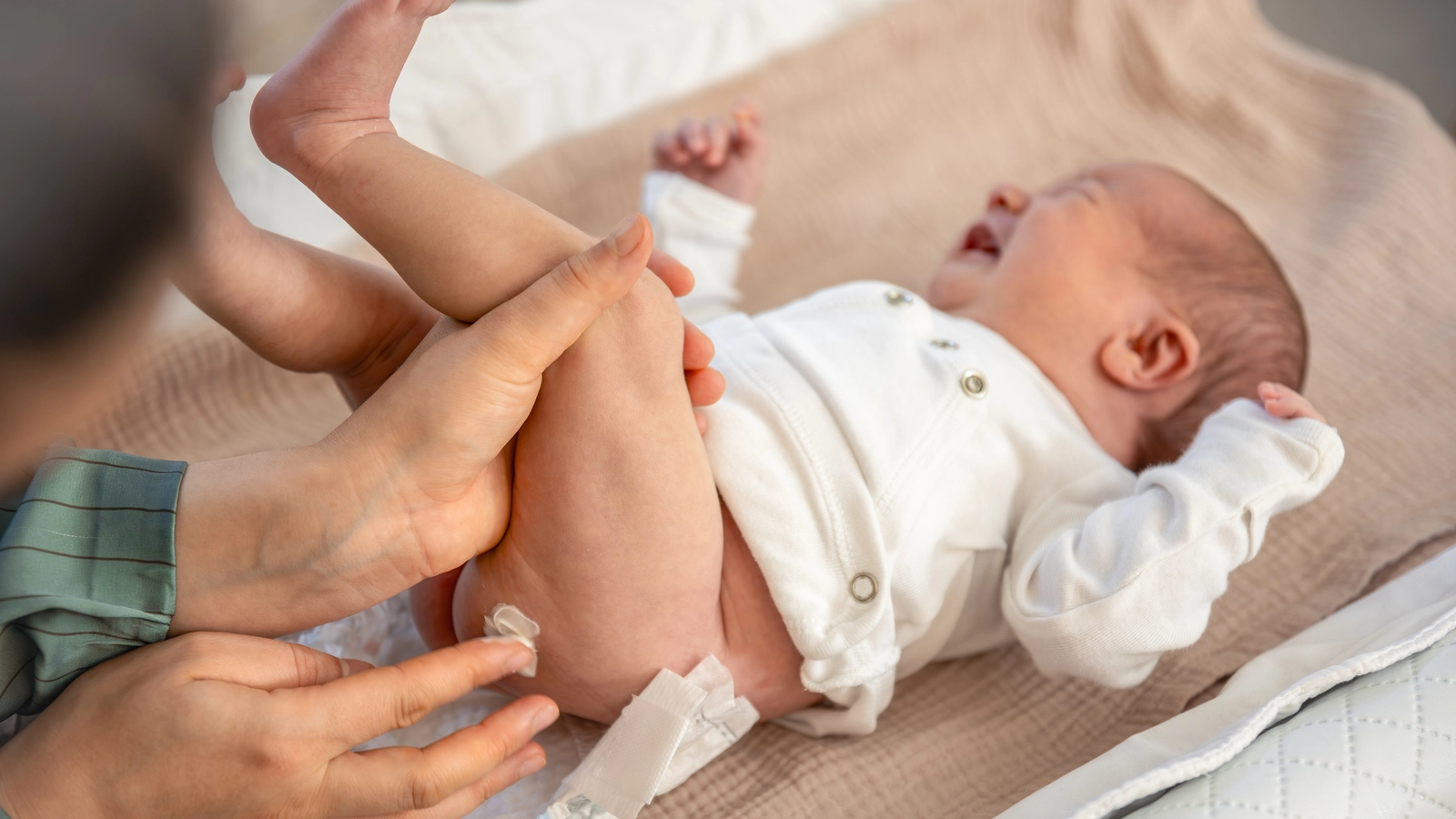
Signs of yeast diaper rash generally include bright red or dark red rashes that extend into the skin folds. The rash may also be accompanied by small red spots around the affected area, scaly skin, and discomfort that makes your little one fussy.
Diaper rash is a common skin problem among babies. However, not all rashes in the diaper area have the same cause. Some may be caused by irritation, while others may be related to a yeast infection.
Recognizing the signs of yeast diaper rash can help Moms provide the right care for their little one. Here is an explanation of the causes, symptoms, treatment options, and prevention steps.
What Is Yeast Diaper Rash?
Yeast diaper rash is inflammation of the skin in the diaper area caused by the overgrowth of yeast, particularly Candida. This type of yeast grows more easily in warm, moist environments.
The diaper area is frequently exposed to urine or stool, which can make the skin more moist. This condition can damage the skin's protective barrier and create an environment that supports yeast growth.
Unlike ordinary irritation, yeast diaper rash often affects the skin folds. The rash may also be accompanied by small red spots around the main affected area.
Causes of Yeast Diaper Rash in Babies
Several conditions can increase the risk of yeast diaper rash in babies caused by the overgrowth of Candida, including:
- Keeping the diaper area wet for too long. A wet or soiled diaper that is not changed promptly can keep the skin exposed to moisture, making it more susceptible to irritation.
- A compromised skin barrier. Skin that is irritated or has a damaged protective barrier may allow Candida to grow more easily.
- Diarrhea. Babies with diarrhea are exposed to stool more frequently, making the skin in the diaper area more vulnerable to irritation and yeast overgrowth.
- Antibiotic use. In certain situations, antibiotics can affect the balance of normal microorganisms in the body, which may increase Candida growth in some babies.
However, it is important to remember that not all diaper rashes are caused by yeast. Rashes can also develop due to friction, exposure to urine and stool, or reactions to certain products.
6 Signs of Yeast Diaper Rash
The signs of yeast diaper rash can vary from one baby to another. However, there are several characteristic signs that Moms should look out for.
1. Bright Red or Dark Red Skin
A yeast rash can cause the skin to appear bright red or dark red. In babies with darker skin tones, the color change may appear differently, so Moms should also pay attention to changes in skin texture and condition.
The affected area may look more inflamed than the surrounding skin. The rash may also appear shiny or feel uncomfortable for your little one.
2. The Rash Extends into the Skin Folds
One of the signs of yeast diaper rash is a rash that affects the skin folds. Yeast grows more easily in warm and moist areas, including the folds around the thighs and groin.
Unlike irritation-related rashes, which are often more noticeable on skin directly exposed to the diaper, a Candida rash may appear in or become more prominent within the skin folds.
3. Small Red Spots Around the Main Rash
A yeast rash may be accompanied by small red spots or bumps around the main rash. These are often referred to as satellite lesions.
These spots may appear as small, separate rashes away from the main affected area. If Moms notice this pattern, especially together with a rash in the skin folds, it is best to consult a doctor about your little one's condition.
4. The Rash Has Clearly Defined, Slightly Raised Edges
A yeast rash may have clearly defined borders compared with the surrounding healthy skin. In some cases, the edges of the rash may appear slightly raised.
However, the appearance of the rash alone is not enough to determine its cause. A doctor should examine the baby if the skin condition is difficult to identify or the rash does not improve.
5. The Skin Looks Inflamed, Scaly, or Irritated
Inflammation caused by a rash can lead to changes in skin texture. The skin may appear scaly or dry, or become irritated, especially when the area continues to be exposed to moisture and friction.
Avoid rubbing the rash when cleaning the skin, as this can worsen irritation. Clean the area gently and pat it dry with a clean cloth.
6. The Baby Becomes Fussy When the Diaper Area Is Touched or Cleaned
Diaper rash can cause discomfort, pain, or itching. As a result, your little one may become fussier when the diaper area is touched or cleaned.
However, fussiness does not always indicate a yeast rash. Moms should pay attention to changes in the skin and any other symptoms that occur at the same time.
Difference Between Yeast Diaper Rash and Ordinary Irritation
Both irritation-related diaper rash and yeast infections can cause redness in the diaper area. However, several characteristics can help Moms recognize the differences.
| Characteristic | Irritant Diaper Rash | Yeast Diaper Rash |
|---|---|---|
| Affected area | More commonly appears on skin directly exposed to urine, stool, or diaper friction. | May involve the skin folds in the diaper area. |
| Appearance of the rash | The skin appears red and irritated in the exposed area. | The rash usually appears red and may be accompanied by small red spots or satellite lesions around the main rash. |
| Skin folds | Usually less affected. | More commonly involves the skin folds. |
Nevertheless, a diagnosis cannot be made based on a single sign. If Moms are unsure about the cause of the rash or your little one's skin condition does not improve, it is best to consult a doctor.
How to Treat and Prevent Yeast Diaper Rash
Treatment for a yeast rash aims to keep the skin clean and dry while addressing the underlying cause. Here are several steps that can be taken.
1. Change the Diaper More Frequently
Change the diaper promptly when it is wet or soiled to reduce moisture on the skin. Do not wait until the diaper is overly full, as prolonged contact with urine or stool can worsen irritation.
Moms can also check the diaper regularly. This simple step can help keep the diaper area drier and more comfortable.
2. Clean and Dry the Skin Gently
Clean the diaper area using water and a soft cloth or a cleansing product suitable for baby's skin. Avoid products containing fragrance or alcohol if they may irritate your little one's skin.
After cleaning, dry the skin by gently patting it. Rubbing inflamed skin can increase irritation and cause discomfort.
3. Let the Baby Go Diaper-Free for a Few Minutes
Allowing the diaper area to be exposed to air for a short period can help reduce moisture. Make sure your little one is in a clean, safe place and remains under Moms' supervision.
Do this several times as needed without allowing your little one to become cold. Make sure the skin has been cleaned first before leaving the baby without a diaper.
4. Avoid Putting the Diaper on Too Tightly
A diaper that is too tight can increase friction and reduce airflow around the skin. Therefore, choose a diaper size that matches your little one's weight and body size.
Make sure the diaper fits comfortably and does not put excessive pressure on the skin. A properly sized diaper also allows your little one to move more freely.
5. Use Antifungal Medication as Recommended by a Doctor
If the rash is suspected or confirmed to be caused by a yeast infection, a doctor may recommend antifungal medication. The type, dosage, and duration of treatment should be adjusted to your little one's condition.
Avoid using antifungal medication, antibiotics, or steroid creams without proper guidance. Consult a doctor first to ensure that the treatment is appropriate for the cause of the rash.
6. Choose a Soft, Properly Sized Diaper
Choose a diaper made with soft materials to avoid increasing friction on the skin. In addition, the right size helps reduce excessive pressure around the thighs and waist.
A diaper that is too small may feel tight and increase friction. Meanwhile, a diaper that is too loose may not provide optimal protection.
7. Wash Your Hands Before and After Changing a Diaper
Washing your hands before changing a diaper helps reduce the transfer of germs to your little one's skin. Washing your hands afterward is also important for maintaining Moms' hygiene and keeping the surrounding environment clean.
Use soap and running water to clean your hands. If these are not available, use an appropriate hand sanitizer, then wash your hands properly when possible.
When Should Diaper Rash Be Checked by a Doctor?
Diaper rash should be checked by a doctor if it does not improve, becomes worse, or spreads to other areas. Moms should also seek medical attention promptly if the rash is accompanied by a fever.
Have your little one examined if blisters, pus, open wounds, or bleeding appear in the affected area. These conditions may indicate an infection or another skin problem that requires medical treatment.
A baby who appears to be in significant pain or is difficult to soothe should also receive medical attention. Do not delay an examination if you feel that your little one's condition is unusual.
Keep the Diaper Area Dry and Comfortable with MAKUKU Pro Care
Yeast diaper rash can be recognized through several signs, such as a red rash that affects the skin folds, small red spots around the main rash, and skin that appears scaly or irritated. If the rash does not improve, becomes worse, or is accompanied by other symptoms such as fever or open wounds, Moms should take your little one to a doctor for an examination and appropriate treatment.
While maintaining your little one's skin hygiene and health, Moms can also choose a soft and comfortable diaper to help reduce the risk of irritation caused by moisture and friction. MAKUKU Pro Care can be an option because it has been clinically tested and is designed for sensitive skin with a gentle SkinHug Design, flexible Smooth Flex, and SAP Thin Core Technology that evenly locks in liquid and helps prevent clumping, keeping baby's skin comfortable throughout the day.
FAQ
1. Is Yeast Diaper Rash Contagious?
Yeast diaper rash caused by Candida generally occurs due to an overgrowth of yeast on the skin and is not typically spread through everyday contact. However, good hygiene should still be maintained to help prevent other skin problems.
2. How Long Does Yeast Diaper Rash Take to Heal?
Recovery time can vary from one baby to another, depending on the severity of the rash and the treatment provided. If the rash does not improve or becomes worse, Moms should take your little one to a doctor.
3. Can Powder Be Applied to Yeast Diaper Rash?
It is best to avoid using powder on diaper rash unless recommended by a healthcare professional. Powder particles can be inhaled by babies and do not treat the underlying cause of a yeast infection.
4. Can Yeast Diaper Rash Come Back?
Yes, the rash can return if conditions that support yeast growth occur again. Keeping the diaper area clean and dry and changing diapers regularly can help reduce the risk.