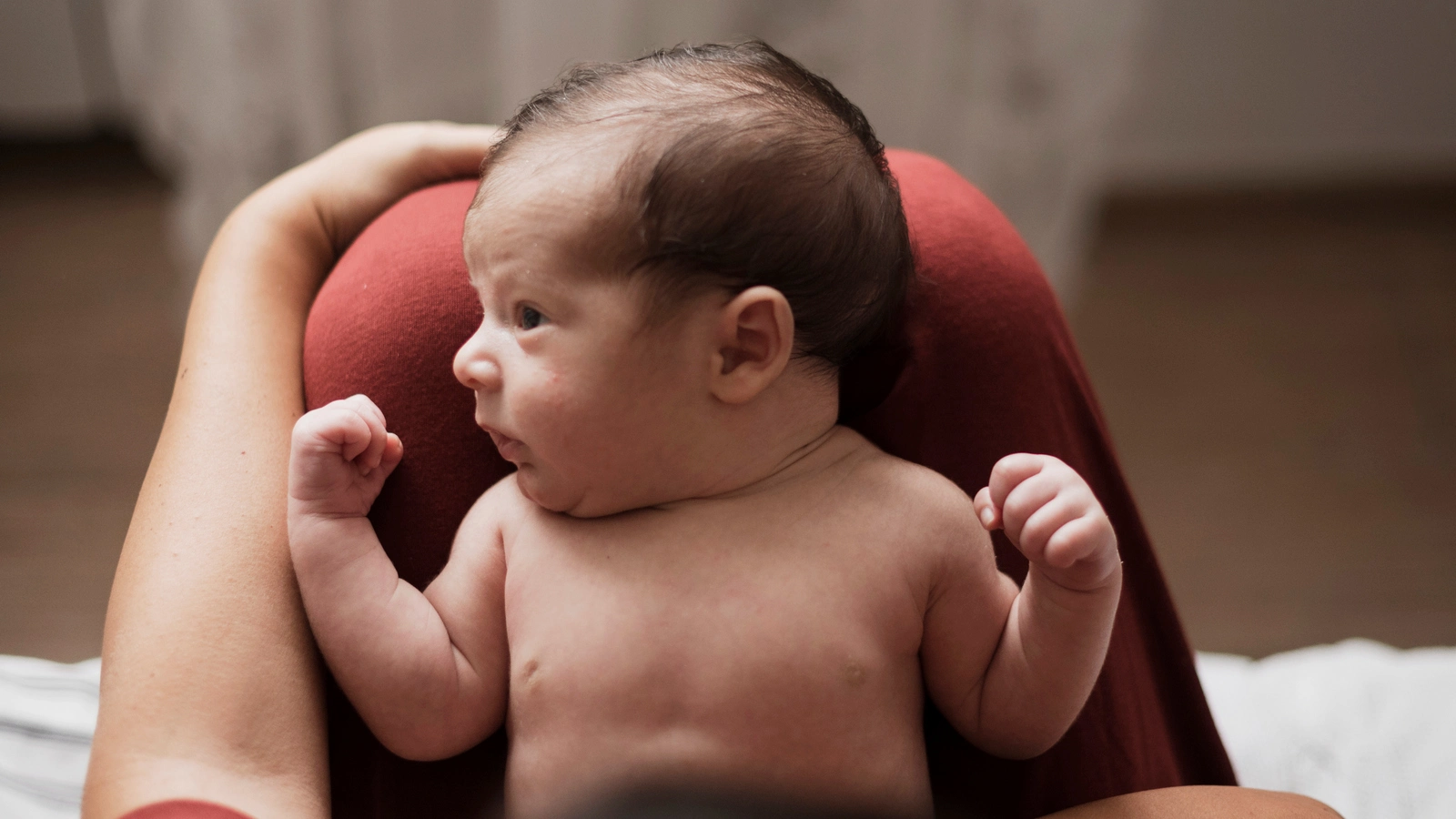
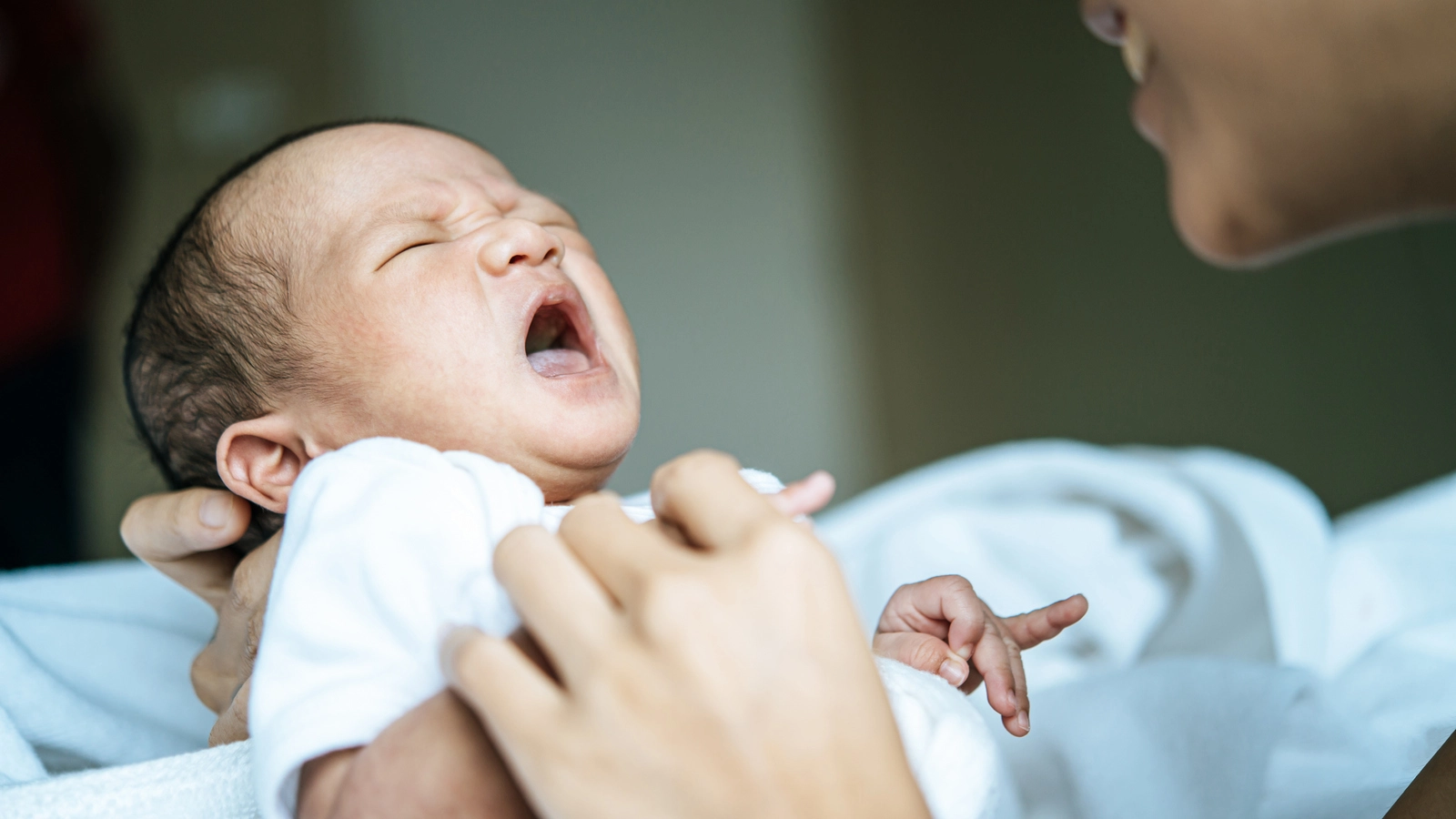
Condition yellow baby at birth The condition of a jaundiced baby at birth often makes parents, especially first-time moms, feel worried. In fact, not all jaundice in babies is a dangerous condition. In many cases, jaundice in babies is a normal condition and will improve on its own over time.
Yellow baby or jaundice occurs due to the accumulation of bilirubin in the blood. Bilirubin is a yellow substance formed from the breakdown of red blood cells. In newborns, the liver is not yet functioning optimally, so bilirubin cannot be processed perfectly. This is what causes the baby's skin to appear yellowish.
Although it is common, Moms still need to recognize the signs of normal jaundice in babies to distinguish it from conditions that require medical attention. By understanding its characteristics, Moms can be more at ease while remaining vigilant about the little one's health.
normal signs of jaundice in babies
Normal jaundice in babies is also known as physiological jaundice. This condition affects many newborns and is generally harmless. Here are some signs of normal jaundice in babies.
1. Appears on the 2nd to 5th day after Birth
One of the signs of normal jaundice in babies is its appearance, which usually occurs on the 2nd to 5th day after the baby is born. During this period, the baby's body is adapting to the environment outside the womb, including processing bilirubin.
If the yellow color appears during that time frame and does not worsen, this condition is usually still considered normal. The yellow color will also gradually fade within about 1 to 2 weeks.
2. The Yellow Color is Only Visible on the Face and Upper Chest
In a normal baby with jaundice, the yellowish color is usually only visible on the face, neck, and upper chest. This condition occurs because bilirubin levels are still relatively low and have not yet spread throughout the body.
However, if the yellow color starts to appear on the stomach, thighs, or even the palms and soles of the feet, Moms should consult with healthcare professionals to ensure the baby's condition.
3. Baby Remains Active
Babies experiencing physiological jaundice generally remain as active as usual. They still move normally, respond to sound or touch, and do not appear lethargic. If the baby appears very lethargic, difficult to wake, or seems less responsive, this condition should be monitored as it could indicate other health issues.
4. Baby Still Wants to Breastfeed
The next sign of normal jaundice in babies is that the baby still has a good appetite for feeding. They continue to feed regularly, whether it's breast milk or formula, according to their usual schedule. Regular feeding can even help reduce bilirubin levels in the baby's body because the process of bowel movements will help expel bilirubin from the body.
5. Normal Colored Urine
Also pay attention to the baby's urine color. In a normal jaundiced baby, the urine usually remains clear or light yellow. If the urine appears very dark like tea, this could be a sign of high bilirubin levels and should be checked by a doctor immediately.
6. Normal Baby Stool Color
Baby stool can also be an important indicator. Babies with physiological jaundice usually have normal stool color, such as golden yellow or greenish, especially in babies who consume breast milk.
Conversely, if the stool is pale, gray, or white, this condition is not normal and requires immediate medical attention.
By recognizing the signs of normal jaundice in babies, Moms don't need to panic immediately when they see the baby's skin appearing yellowish. However, it is still important to monitor the little one's condition daily. If the yellow color spreads, the baby appears lethargic, or unusual signs appear, consult a doctor immediately so the baby receives proper care.

To help maintain your little one's comfort during the monitoring period for jaundice, Moms can also choose soft diapers that fit well on the baby's skin, such as MAKUKU Comfort Fit Tape NB.
MAKUKU Comfort Fit Tape NB diapers are specially designed for newborns with soft material and high absorbency, thus helping to keep baby's skin dry and comfortable all day long.
FAQ
When Is Jaundice in Babies Considered Dangerous?
Yellow babies are said to be dangerous if it appears within the first 24 hours after birth, the jaundice spreads to the stomach, arms, and legs, or lasts for more than two weeks.
Understand causes, symptoms, and temporary treatment for jaundiced babies to improve their condition before seeing a doctor. Consult a doctor if the baby appears lethargic, has difficulty feeding, dark urine, or pale stools to ensure the yellow baby returns to normal.
Frequently Asked Questions Moms
What Makes MAKUKU Comfort Fit Tape NB Support Your Little One to Stay Active?
The thin diaper, MAKUKU Comfort Fit Tape NB, is designed to follow the shape of the baby's body, ensuring a snug fit when worn. With a stable and flexible position, your little one can move more freely while learning to crawl, play, or explore their surroundings without feeling disturbed.
Are the Waist and Thigh Sections of MAKUKU Comfort Fit Comfortable on the Skin?
Yes, Moms. The elastic waistband and thigh sections are designed to be flexible yet gentle on the baby's skin. The MAKUKU Comfort Fit Pants S design helps provide comfortable protection without excessively pressing on the skin, which can help reduce the likelihood of red marks appearing on your little one's skin.
Why Does the Thin MAKUKU Comfort Fit Tape NB Still Feel Just Right and Comfortable?
Although it has a slim design, MAKUKU Comfort Fit Tape NB is still designed with a proper fit to ensure it is neither too loose nor too tight. With good absorbency, MAKUKU Comfort Fit Tape NB helps keep the diaper area dry while minimizing the risk of side leakage.
References:
https://www.alodokter.com/inilah-tanda-bayi-kuning-yang-normal
-
https://www.halodoc.com/artikel/ibu-ini-tanda-bayi-kuning-yang-normal-dan-tidak-normal