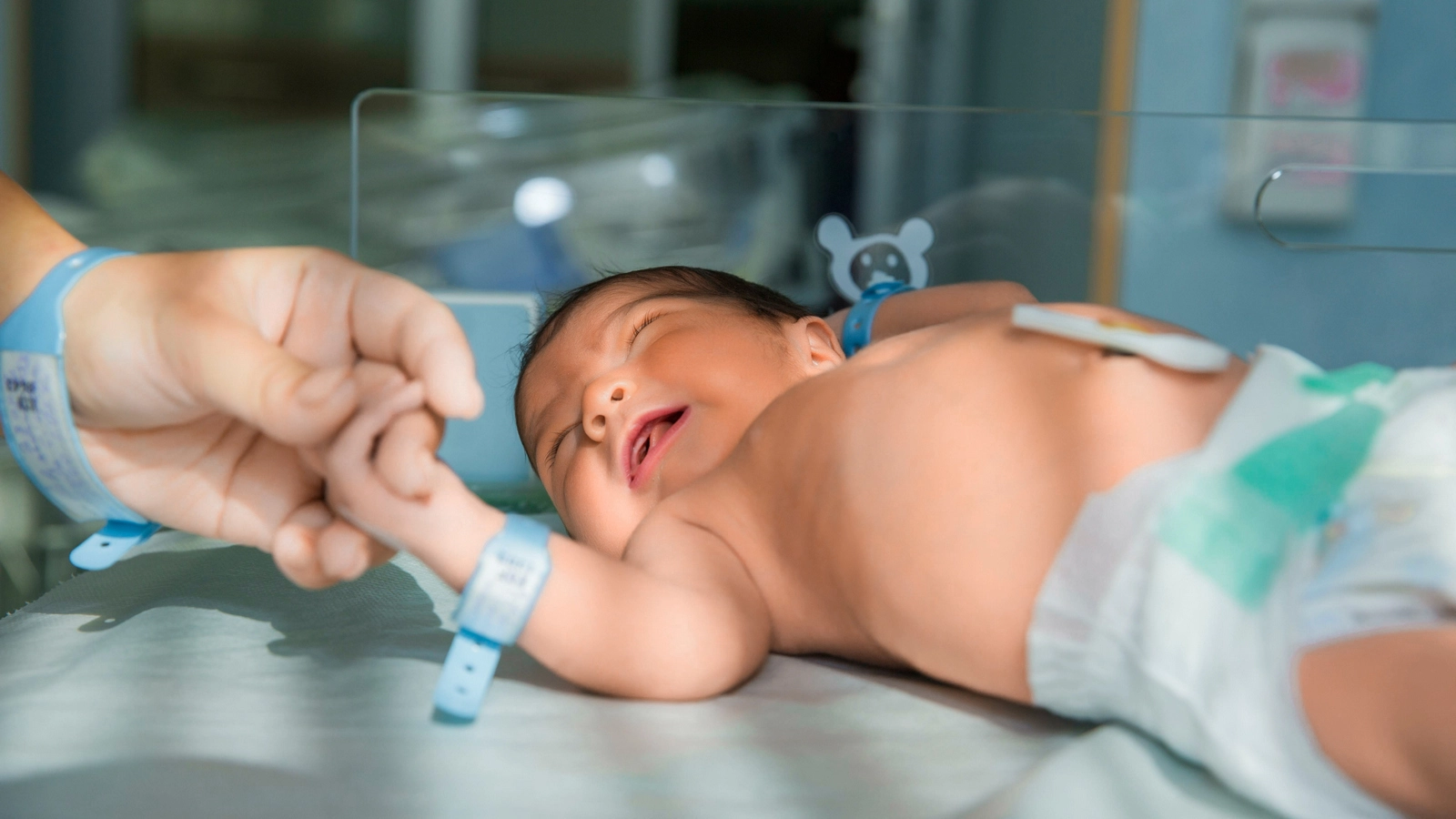
Yellow eyes in babies are generally caused by increased bilirubin levels in the blood and are common in newborns. This condition can be associated with an immature liver, insufficient breast milk intake, blood type incompatibility, or certain medical conditions that require medical attention.
Seeing the whites of your little one’s eyes turn yellow can certainly make Moms worried. This condition occurs when bilirubin, a yellow-colored substance produced when red blood cells are broken down, increases and builds up in body tissues, including the whites of the eyes.
Yellowing of the eyes is generally easier to notice in the whites of the eyes than in other parts of the body. Although this color change can be temporary, Moms should still pay attention to their little one’s condition because increasingly noticeable yellowing or yellow eyes that do not improve should be evaluated by a healthcare professional.
Are Yellow Eyes in Babies Normal?
Yellow eyes are quite common, especially during the first few days after birth. This condition is usually part of physiological jaundice because a baby’s liver needs time to develop its ability to process bilirubin effectively.
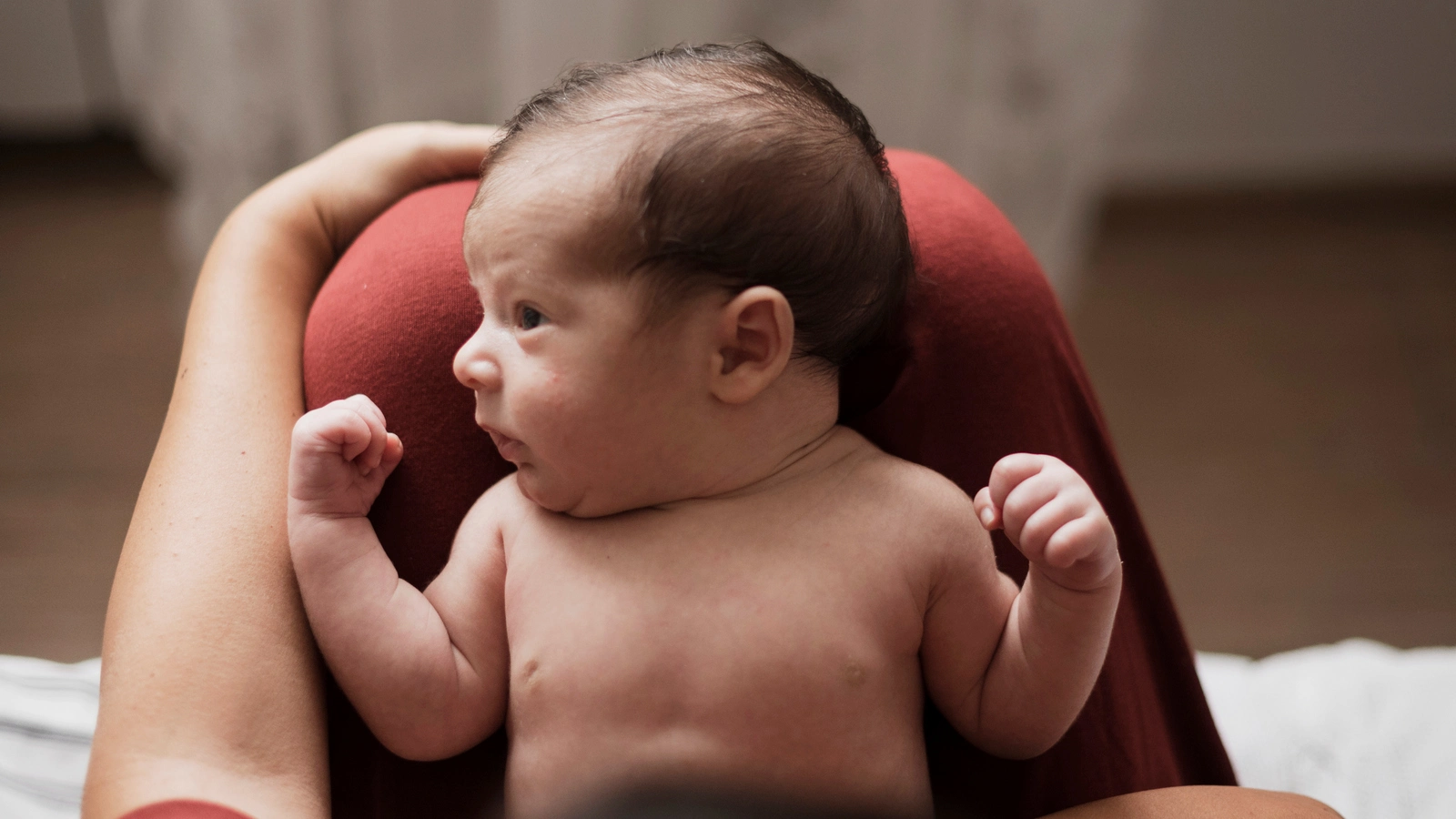
Yellowing in babies generally first appears in the whites of the eyes or on the face and may then become more noticeable on other parts of the body. In the eyes, the yellow color appears when bilirubin builds up in the tissues, making the whites of your little one’s eyes look different than usual.
Although this can be normal, Moms should not determine the severity of jaundice based solely on the color of the skin or eyes. A bilirubin test may be needed if a doctor determines that the baby has risk factors or signs of jaundice that require further evaluation.
Signs of Physiological Yellow Eyes in Babies
Yellowing of the eyes can be associated with bilirubin levels that are still within the expected range during the early days of life. Some signs Moms can look out for include:
Appears after 24 hours of birth: Yellowing usually begins to appear on the second or third day after birth, rather than within the first few hours of life.
Baby still appears healthy: Your little one is generally active, feeds well, and does not show concerning changes in their condition.
Gradually improves: The yellow color in the whites of the eyes usually fades gradually as the baby’s liver becomes more mature and better able to process and eliminate bilirubin.
Improves within a few weeks: In full-term babies, this condition generally improves within about two weeks, although the duration can vary from one baby to another.
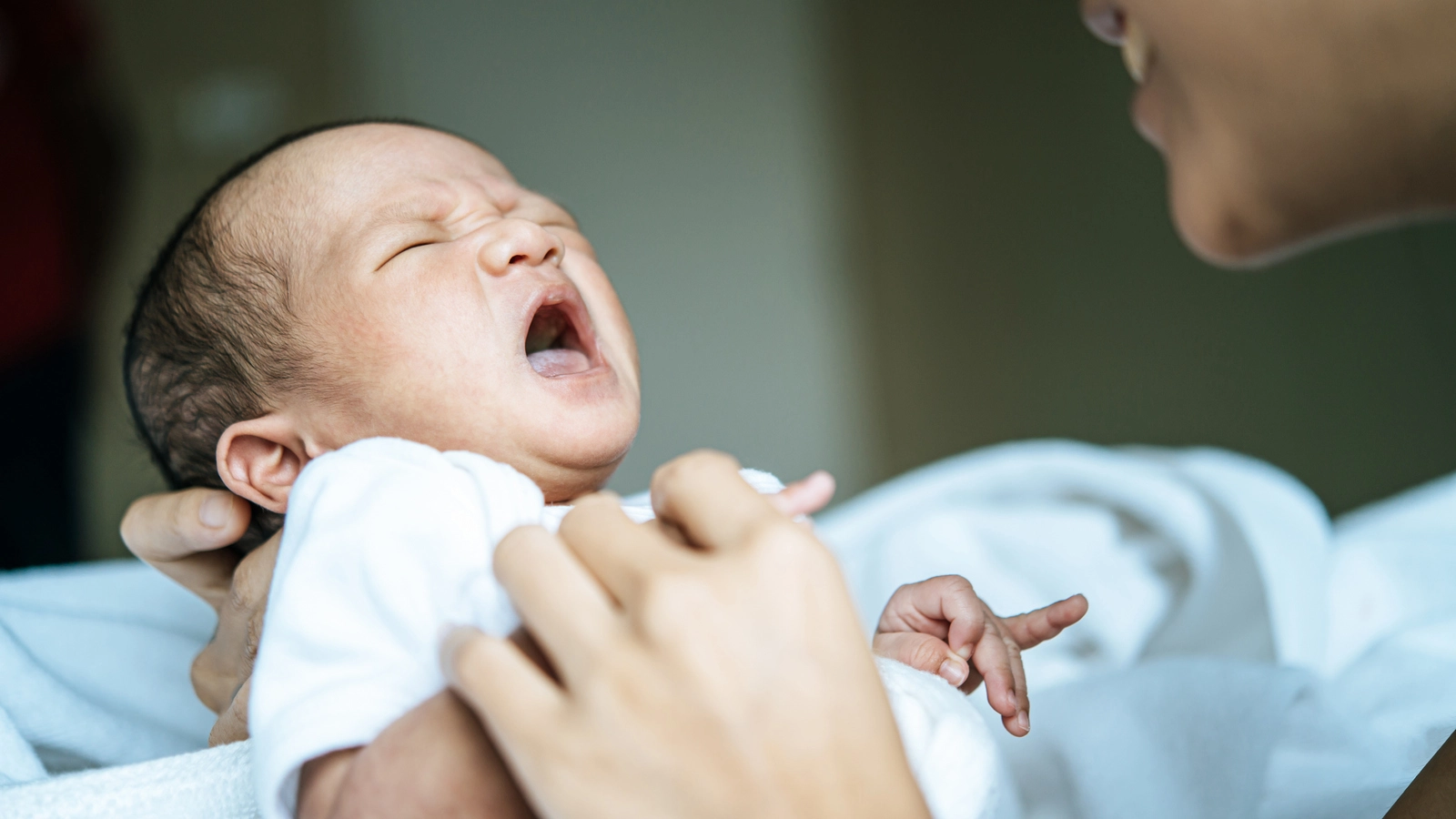
However, Moms should be alert if the yellowing appears within the first 24 hours after birth, becomes more intense, or does not improve. If your little one also has difficulty feeding, appears very lethargic, or shows changes in behavior, they should be evaluated by a healthcare professional promptly.
Causes of Yellow Eyes in Babies
Various conditions can cause bilirubin levels to increase, which can make a baby’s eyes appear yellow. Here are some causes Moms should know about.
1. Premature Birth
Babies born before 37 weeks of pregnancy are considered premature. Their organs, including the liver, may not be as fully developed as those of full-term babies, so the processing and elimination of bilirubin can occur more slowly.
In addition, premature babies may have difficulty breastfeeding, which can result in inadequate breast milk intake. This can make it harder for bilirubin to leave the body and increase the risk of yellow eyes.
2. Immature Liver
After red blood cells are broken down, bilirubin needs to be processed by the liver so it can be eliminated through urine and stool. In newborns, the liver’s ability to carry out this process is still developing.
As a result, bilirubin can build up in the blood and cause the skin and whites of the eyes to appear yellow. This is one reason why physiological jaundice is common in newborns.
3. Insufficient Breast Milk Intake
Insufficient breast milk intake can cause your little one to have fewer bowel movements, reducing the amount of bilirubin eliminated through stool. This condition is known as suboptimal intake hyperbilirubinemia and usually occurs during the early stages of breastfeeding.
Moms can help by breastfeeding regularly, around 8–12 times within 24 hours during the early days after birth, or whenever your little one shows signs of hunger, such as opening their mouth, searching for the nipple, or putting their hands in their mouth.
4. Baby’s Blood Type Is Different from the Mother’s
A difference in blood type between Moms and their little one can cause isoimmune hemolytic disease. This condition occurs when antibodies from the mother attack the baby’s red blood cells, causing them to break down more quickly.
Increased breakdown of red blood cells produces more bilirubin. This can occur due to ABO or Rh incompatibility, which may cause the baby’s bilirubin levels to rise rapidly.
5. Bruising During Delivery
Bruising or a cephalohematoma that occurs during delivery can cause blood to collect under the baby’s scalp. When the body breaks down this blood, additional bilirubin is produced.
Therefore, babies with extensive bruising or a cephalohematoma have a higher risk of increased bilirubin levels. Doctors will usually monitor the baby’s condition and bilirubin levels as needed.
6. Polycythemia
Polycythemia is a condition in which the number of red blood cells in a baby’s blood is higher than normal. Because there are more red blood cells, their breakdown can also produce larger amounts of bilirubin.
This condition can increase the risk of hyperbilirubinemia, so the baby may require closer monitoring after birth.
7. Blocked Bile Ducts
A blockage or disorder of the bile ducts can prevent bilirubin that has been processed by the liver from being excreted through bile. One serious condition to be aware of is biliary atresia.
In addition to yellow skin and eyes, this condition can cause dark-colored urine and pale, clay-colored stools. If these signs appear, your little one should be evaluated promptly because early treatment is very important.
8. Blood Infection
Infections in newborns can affect the body and increase the risk of hyperbilirubinemia. Infection can also be a factor that makes jaundice more serious and require treatment.
Moms should watch for other symptoms such as difficulty feeding, excessive sleepiness, fever or low body temperature, and abnormal breathing. These symptoms require immediate medical evaluation.
9. Sepsis
Sepsis is a severe response to an infection that can cause a baby’s condition to deteriorate rapidly. In newborns, sepsis is one of the factors that can increase the risk of complications related to hyperbilirubinemia.
If yellow eyes are accompanied by extreme lethargy, difficulty waking, difficulty feeding, breathing problems, or an abnormal body temperature, take your little one to receive immediate medical attention.
10. Genetic Disorders
Certain genetic disorders can cause red blood cells to break down more easily or interfere with bilirubin processing. One example is G6PD deficiency, which can cause hemolysis under certain conditions or following exposure to certain triggers.
Other inherited conditions can also affect bilirubin metabolism. If jaundice persists, returns, or does not improve as expected, a doctor may perform tests to determine the underlying cause.
How to Treat Yellow Eyes in Babies
Treatment for yellow eyes depends on the bilirubin level, the baby’s age in hours, gestational age at birth, and other risk factors. Therefore, Moms should not give any treatment without medical evaluation.
1. Increase Breast Milk Intake
Breastfeeding regularly, around 8–12 times within 24 hours, helps meet your little one’s fluid and energy needs while increasing the frequency of bowel movements. Bilirubin can then be eliminated more effectively through stool.
The American Academy of Pediatrics recommends feeding babies according to their needs, with at least around eight feedings within 24 hours during the early days of life. If intake is insufficient, a doctor may determine whether additional expressed breast milk, donor breast milk, or formula is needed.
2. Phototherapy
Phototherapy uses blue light with a wavelength of approximately 460–490 nanometers (nm) to convert bilirubin into a form that is more easily dissolved in water and eliminated from the body through urine and stool. During therapy, as much of the baby’s skin as possible is exposed to the light according to medical procedures.
Phototherapy is given when the bilirubin level reaches the treatment threshold based on the baby’s age in hours, gestational age, and risk factors. Therefore, not every baby with yellow eyes or skin requires phototherapy.
3. IVIG Infusion
IVIG, or intravenous immunoglobulin, involves administering immunoglobulin through a vein. This treatment may be considered for babies with hemolytic disease caused by blood type incompatibility when bilirubin levels continue to rise despite intensive phototherapy.
IVIG is not a routine treatment for all babies with jaundice. Doctors will consider its potential benefits and risks based on the baby’s condition and test results.
4. Blood Transfusion
An exchange transfusion involves gradually replacing some of the baby’s blood with compatible blood. This procedure can lower bilirubin levels while also reducing the number of damaged red blood cells.
This procedure is only performed in cases of severe hyperbilirubinemia or when there are signs of neurological dysfunction caused by extremely high bilirubin levels. An exchange transfusion is a specialized medical procedure performed in a healthcare facility with intensive monitoring.
When Does a Baby Need Medical Attention?
Moms should seek immediate medical attention if yellowing appears within the first 24 hours after birth. This needs to be evaluated because it may be associated with a rapid increase in bilirubin or an underlying medical condition.
Have your little one evaluated promptly if the yellowing becomes more intense, does not improve, or if the baby has difficulty feeding, is extremely sleepy, is difficult to wake, has a high-pitched cry, becomes stiff or unusually floppy, or develops abnormal movements.
Moms should also pay attention to the color of the baby’s urine and stool. Very dark urine or very pale stools can be signs of impaired bile flow and require prompt medical evaluation.
Conclusion
Yellow eyes in babies are generally associated with increased bilirubin levels and commonly occur because a baby’s liver is not yet fully mature. The condition can also be influenced by premature birth, insufficient breast milk intake, blood type incompatibility, bruising during delivery, and certain medical conditions.
Treatment may include optimizing breast milk intake, phototherapy, IVIG, or an exchange transfusion, depending on the underlying cause and bilirubin level. Because bilirubin levels cannot be determined based solely on the color of the eyes, Moms should follow the examinations and monitoring recommended by a doctor.
Moms can also support your little one’s comfort during the monitoring period by choosing a soft diaper that helps keep their skin dry. MAKUKU Slim Luxury Silky features SAP Thin Core Technology, which keeps the diaper as thin as 1.6 mm, while Natural Fine Silk fibers feel gentle against a baby’s skin. Its high absorbency also helps keep your little one dry for up to 12 hours, and it has been dermatologically tested to help prevent rashes and irritation.
FAQ
1. Do yellow eyes in babies always mean jaundice?
Not necessarily, Moms. However, yellowing of the whites of a baby’s eyes can be a sign of increased bilirubin levels and should still be monitored, especially if it appears within the first 24 hours after birth or is accompanied by other symptoms.
2. How long does it take for a baby’s yellow eyes to return to normal?
With physiological jaundice, the yellow color usually gradually fades as the liver becomes more mature and better able to process bilirubin. If the yellowing persists, becomes more intense, or occurs in a baby who appears unwell, your little one should be evaluated by a doctor.
3. Can exposing a baby to sunlight treat yellow eyes?
Exposing a baby to sunlight is not a substitute for medical phototherapy. If bilirubin levels require treatment, a doctor will determine the appropriate type and duration of phototherapy based on your little one’s condition.