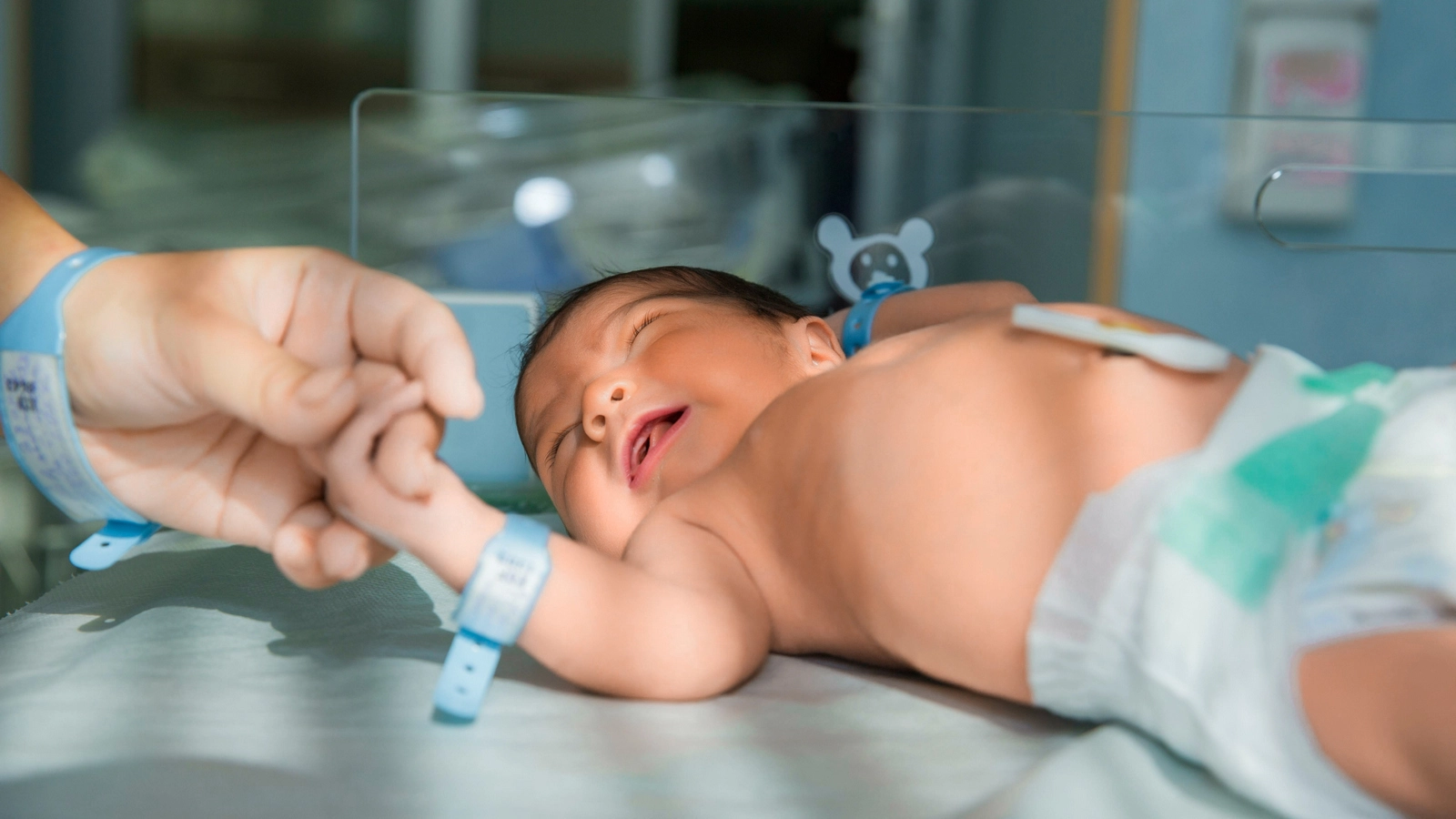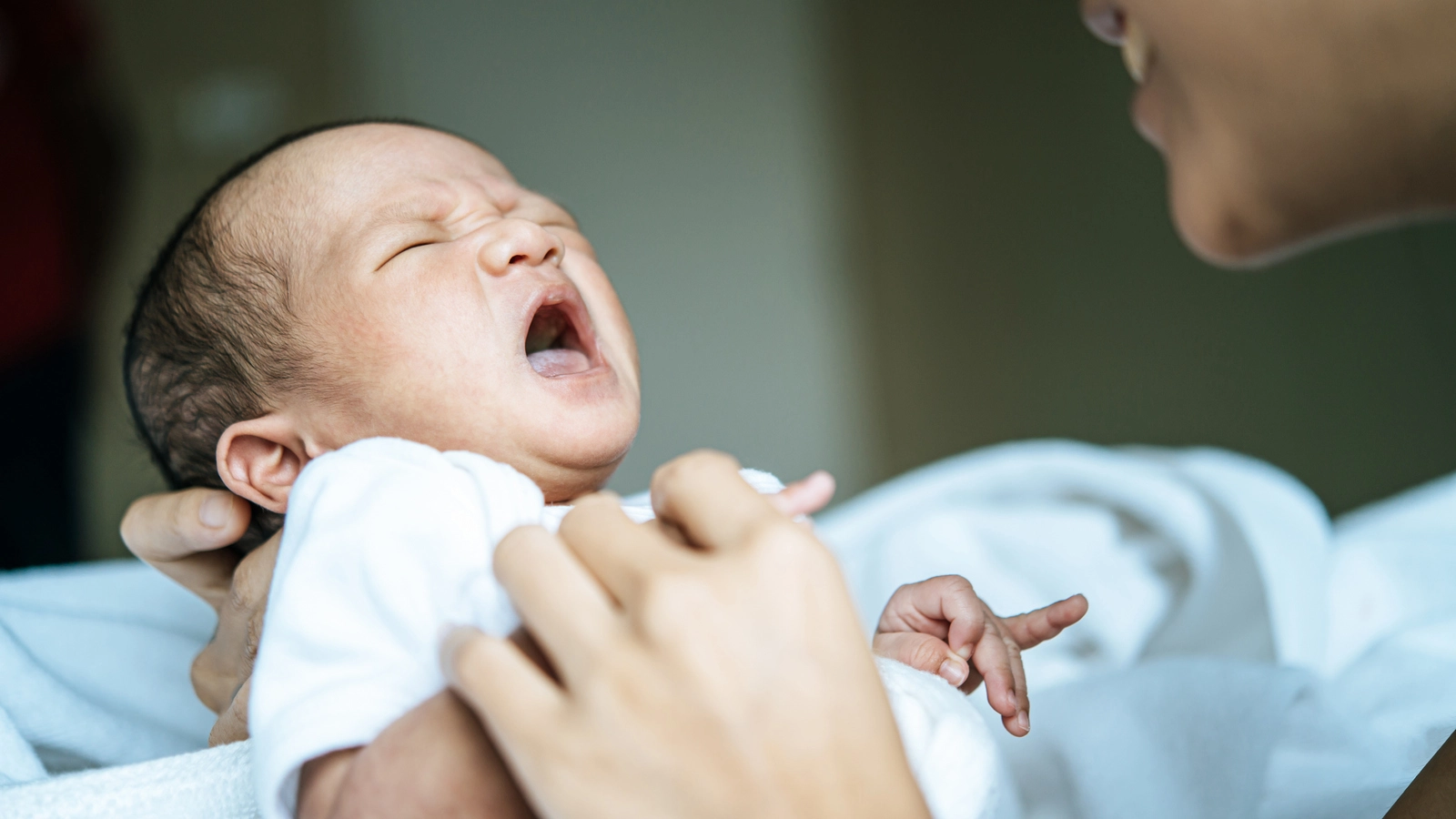
A newborn is a baby during the first 28 days after birth, also known as the neonatal period. This period is divided into the early neonatal period, covering 0–7 days, and the late neonatal period, covering 8–28 days. During the newborn period, your little one needs special care, including breastfeeding, maintaining body temperature, caring for the umbilical cord, practicing safe sleep, and monitoring warning signs.
The term newborn is something Moms may often come across when reading information about babies. However, many parents may still wonder: how long is a baby considered a newborn, and what are the typical characteristics?
Understanding the newborn period is important because your little one’s body is adapting to life outside the womb. During this period, Moms also need to provide appropriate care while monitoring their little one’s development and overall health.
What Is a Newborn?
Newborn is a term used to describe a baby who has recently been born. In a medical context, this period is known as the neonatal period, which refers to the first 28 days after birth.
During this period, your little one’s body undergoes various adjustments, such as regulating body temperature, breathing independently, receiving nutrition through breast milk, and adapting to a new environment.
The newborn period is also an important time to monitor your little one’s health. Moms should pay attention to feeding patterns, urination, skin condition, breathing, and how your little one responds to the environment.
How Long Is a Baby Considered a Newborn?
Moms may find different age limits for the term newborn across various sources. This difference usually occurs because the term newborn can be used in both medical and general contexts.
1. The Medical Age Limit for Newborns
Medically, a newborn or neonate is a baby from birth until 28 days of age. This period is known as the neonatal period and represents the early stage of a baby’s life.
After 28 days, your little one is no longer considered to be in the neonatal period. Even so, babies still require special care according to their stage of growth and development.
2. The General Use of the Term Newborn Up to 3 Months
In everyday conversations, the term newborn is sometimes used to describe very young babies, including babies who are several months old. This usage is more general and does not follow the medical definition.
Therefore, when Moms read health information, it is important to pay attention to the context and age range being used. In a medical context, newborn refers to the period from 0–28 days after birth.
Stages of the Newborn Period
The neonatal period is divided into two stages based on your little one’s age. This classification helps healthcare professionals monitor a baby’s condition during the early stages of life.
1. Early Neonatal Period: 0–7 Days
The early neonatal period begins at birth and lasts until the baby is 7 days old. During this stage, your little one’s body undergoes many adjustments after transitioning from the womb to the outside world.
Moms should pay attention to feeding, body temperature, breathing, urination, and the condition of the umbilical cord. Postnatal health checks are also important to make sure your little one is in good condition.
2. Late Neonatal Period: 8–28 Days
The late neonatal period begins at 8 days of age and continues until the baby is 28 days old. During this stage, the baby is still adapting and requires attention to their basic needs and health.
Moms should continue monitoring feeding patterns, sleep, urination and bowel movements, as well as any changes in their baby’s condition. If anything unusual occurs, consult a healthcare professional promptly.
Characteristics of a Healthy Newborn
Every baby’s condition can vary, so health assessments should be performed by medical professionals. However, there are several characteristics commonly found in healthy newborns.
1. Has a Good Apgar Score
The Apgar score is used by healthcare professionals to assess a baby’s condition immediately after birth. The assessment includes skin color, heart rate, reflex response, muscle tone, and breathing.
The score is usually assessed at one and five minutes after birth. The Apgar score helps healthcare professionals determine whether the baby needs immediate assistance after birth.
2. Born Full-Term with a Normal Birth Weight
Full-term babies are generally born between 37 and 42 weeks of pregnancy. A baby’s birth weight can vary and needs to be assessed based on gestational age and overall condition.
Therefore, birth weight alone is not enough to determine whether your little one is healthy. Doctors consider various factors when examining a newborn.
3. Breathes Regularly Without Visible Difficulty
A healthy newborn generally breathes spontaneously without signs of breathing difficulty. Moms can observe whether the baby’s chest moves comfortably and whether their skin color remains normal.
Very rapid breathing, unusual breathing sounds, pulling in of the chest, or bluish skin color should be checked by a healthcare professional immediately.
4. Has Reddish or Pinkish Skin That Feels Warm
A baby’s skin may appear reddish or pinkish, especially shortly after birth. A baby’s hands and feet may also temporarily appear bluish in some situations after birth.
Moms should continue to watch for persistent or unusual changes in skin color. If your little one’s skin or lips appear bluish, seek medical attention immediately.
5. Has Sucking, Grasping, and Moro Reflexes
Newborn babies have several natural reflexes. The sucking reflex helps babies receive breast milk, the grasp reflex causes the baby to close their hand when the palm is touched, while the Moro reflex is a reflexive movement that occurs when a baby is startled.
These reflexes are part of the development of the baby’s nervous system. Healthcare professionals can assess these reflexes as part of a newborn examination.
6. Is Active and Responds to Sounds and Touch
Your little one may respond to sounds, touch, or changes in their surroundings. When awake, your little one may also begin making eye contact at close range.
These responses may not occur all the time. Babies may respond more actively when they are awake and calm, while their responses to sounds and touch may decrease when they are sleeping or hungry.
7. Feeds Well and Urinates Regularly
Feeding ability is one of the important things to monitor during the newborn period. Moms should also pay attention to the frequency of urination, which can indicate whether the baby is getting enough fluids.
The frequency of urination can change according to the baby’s age during the first week. If your little one has difficulty feeding or their diaper remains dry for an extended period, Moms should consult a healthcare professional.
How to Properly Care for a Newborn
Newborn care focuses on basic needs, hygiene, nutrition, safety, and health monitoring. Moms can apply the following practices.
1. Breastfeed According to Your Baby’s Needs
Breast milk is the primary source of nutrition for babies during the early stages of life. Breastfeed your little one according to their hunger cues and the recommendations of a healthcare professional.
If Moms experience difficulties with breastfeeding or the baby is not feeding well, seek help from a healthcare professional or lactation consultant.
2. Keep Your Baby’s Body Temperature Warm
Newborn babies lose heat more easily than adults. Dress your little one appropriately and avoid overheating them.
Skin-to-skin contact with a parent can also help keep the baby warm. Make sure the baby’s face and head remain uncovered by fabric that could interfere with breathing.
3. Keep the Umbilical Cord Clean and Dry
The umbilical cord should be kept clean and dry until it naturally falls off. Moms do not need to pull or remove it, even when it appears to be almost detached.
Avoid applying any substances to the umbilical cord without advice from a healthcare professional. If the area around the navel appears red, swollen, produces pus, or develops an unpleasant odor, have it checked immediately.
4. Change Diapers Regularly and Gently Clean the Genital Area
Wearing a diaper for too long can make a baby’s skin damp and more prone to irritation. Therefore, change the diaper as soon as it becomes wet or soiled.
When changing the diaper, gently clean the genital area and dry it before putting on a new diaper. Avoid rubbing the skin too firmly to keep it comfortable and prevent redness.
5. Practice Safe Sleep
When sleeping, place the baby on their back on a flat, firm surface. The sleeping area should be free from pillows, thick blankets, stuffed toys, and other soft objects.
Moms should also avoid allowing the baby to sleep on a sofa, chair, or other surfaces that are not designed for sleeping. Keep the baby’s sleeping area clear to prevent objects from covering their face or interfering with their breathing.
6. Keep Hands Clean and Limit Exposure to Sick People
Moms and anyone else who is going to touch the baby should wash their hands first. This simple habit can help reduce the transmission of germs to the baby.
Limit close contact with people who have a fever, cough, runny nose, or other contagious illnesses. Avoid taking the baby to overly crowded environments when it is not necessary.
7. Give Immunizations According to Schedule
Immunizations help protect your little one against various diseases that may affect them. Follow the recommended immunization schedule provided by healthcare professionals and local health services.
Keep your little one’s immunization records so Moms can keep track of which vaccines have been given. If you have questions about the schedule or side effects after immunization, consult a doctor.
8. Provide Gentle Stimulation and Bonding
Moms can bond with their little one by holding, talking, singing, or having skin-to-skin contact. These simple activities can help build a close relationship between the baby and parents.
Stimulation should be adapted to the baby’s condition. If your little one starts becoming sleepy or shows signs of overstimulation, give them time to rest.
Baby Development During the Newborn Period
During this period, your little one’s development takes place gradually. A baby’s activities generally focus on sleeping, feeding, and adapting to their surroundings.
- Sleeping more and waking up to feed:Newborns sleep a lot and wake up to feed or when they feel uncomfortable.
- Moving their arms and legs reflexively: A baby’s movements are still influenced by reflexes and are not yet fully coordinated.
- Recognizing their parents’ voices and scents: Babies can hear surrounding sounds and recognize voices they frequently hear.
- Seeing faces or objects at close range: A baby’s vision is still developing, and they can see objects more easily at close range.
- Beginning to lift their head briefly: Babies may begin trying to lift their head during tummy time under supervision.
Every baby can develop at a different pace. Moms can continue observing their little one’s development and consult a healthcare professional if they have any concerns.
Warning Signs in Newborns to Watch For
Because a baby’s condition can change quickly, Moms should be aware of signs that require medical attention. Seek medical help immediately if your little one:
- Has difficulty breathing, breathes very rapidly, or appears to be struggling to breathe.
- Has bluish lips or skin or develops an unusual change in skin color.
- Refuses to feed or has difficulty feeding.
- Is extremely lethargic, difficult to wake, or does not respond as usual.
- Has seizures.
- Has a fever or an unusually low body temperature.
- Vomits repeatedly or has green-colored vomit.
- Experiences bleeding that does not stop.
- Has an umbilical cord or surrounding skin that appears red, swollen, produces pus, or smells unpleasant.
- Has significantly fewer wet diapers than usual.
If Moms feel that their little one’s condition is different from usual, do not hesitate to consult a doctor. For newborns, an early examination can help identify the cause of symptoms and ensure appropriate treatment.
Protect the Umbilical Cord and Keep Your Newborn Comfortable with MAKUKU Comfort Fit
The newborn period is an important stage when your little one begins adapting to life outside the womb and requires special attention to nutrition, hygiene, sleep, and overall health. Proper care from the beginning can also help Moms maintain their little one’s comfort while becoming more aware of signs that may require medical attention.
Your little one’s everyday comfort can also be supported by choosing a suitable diaper, such as MAKUKU Comfort Fit, which offers good absorbency, soft materials, and a comfortable design that follows your baby’s movements. In addition, MAKUKU Comfort Fit features Belly Guard Protection, which helps protect the baby’s abdominal area from pressure caused by the diaper, keeping your little one comfortable while moving, playing, or sleeping, especially while the umbilical cord has not yet fallen off.
FAQ
1. Does a Newborn Always Need to Be Swaddled?
No. Swaddling is not required for every baby and should be done using a safe technique. Make sure the swaddle is not too tight and stop swaddling when your little one begins showing signs of trying to roll over.
2. When Does a Newborn’s Umbilical Cord Usually Fall Off?
The umbilical cord usually dries out and falls off on its own during the first few weeks after birth. Moms do not need to pull it off and should simply keep the area clean and dry.
3. Can Newborns Be Taken Outside the House?
Newborns can be taken outside when necessary, but Moms should consider the baby’s health and the environment they will be visiting. Avoid overly crowded places or contact with people who are sick.
4. How Do You Choose a Diaper Size for a Newborn?
Choose a diaper size based on your baby’s weight and the sizing guide on the packaging. The diaper should fit your little one comfortably, not be too tight, and should not leave excessive pressure marks on the skin.