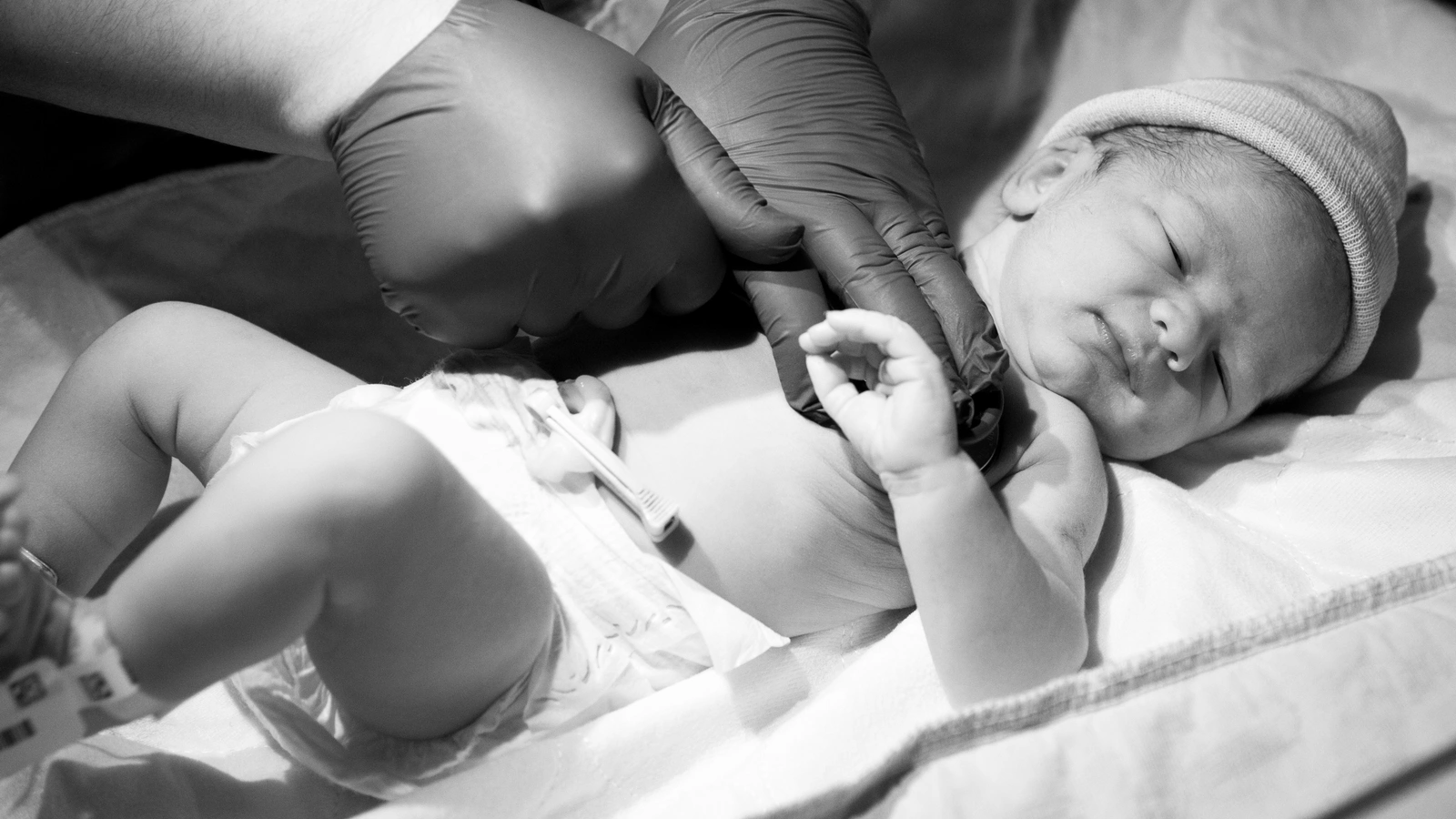
The umbilical cord is an important part that connects your baby to the placenta during pregnancy. After birth, the umbilical cord is clamped and cut, leaving behind an umbilical cord stump that needs to be cared for until it falls off naturally.
During this period, proper umbilical cord care is important to keep the area clean and dry and help prevent infection. So, when does the umbilical cord fall off, and how should you care for it? Let’s take a closer look at the complete guide below!
When Does a Baby’s Umbilical Cord Fall Off?
A baby’s umbilical cord will generally dry out, shrink, and fall off on its own within a few days to several weeks after birth. According to Indonesia’s Ministry of Health (Kemenkes), the umbilical cord may fall off around 5–15 days after birth, although the timing can vary from one baby to another.
As the umbilical cord dries, its color may change from yellowish or greenish to brownish-black before eventually falling off. These changes are generally part of the natural drying process.
Moms may notice a small spot of blood when the umbilical cord is about to fall off, and this is usually normal. However, if there is heavy or persistent bleeding, take your little one to a doctor immediately for an examination.
It is important to remember not to pull, cut, or forcibly remove the umbilical cord, even if it looks like it is almost ready to fall off. Let the stump detach on its own so that the healing process can take place naturally.
How to Care for a Newborn Baby’s Umbilical Cord
In general, umbilical cord care focuses on keeping the area clean, dry, and uncovered. WHO recommends clean and dry cord care for newborn babies.
Here are some steps Moms can take to care for your little one’s umbilical cord:
1. Wash Your Hands Before Touching the Umbilical Cord
Before touching or caring for your baby’s umbilical cord, always wash your hands with soap and running water, then dry them thoroughly. This habit is important to reduce the risk of transferring germs to the umbilical cord area.
Moms should also wash their hands after changing the diaper or caring for the umbilical cord.
2. Clean the Umbilical Cord Only When It Is Dirty
If the umbilical cord looks clean and dry, there is no need to touch or clean it too often. Let the umbilical cord remain dry and exposed. However, if the cord comes into contact with urine or stool or looks dirty, clean it immediately using clean water and then gently dry it with a clean cloth or gauze.
Avoid applying baby powder, oil, traditional remedies, or other substances to the umbilical cord without advice from a healthcare professional. Moms are strongly advised not to apply anything to the umbilical cord unless it is medication specifically recommended by a doctor.
3. Sponge Bathe Your Baby
While the umbilical cord has not yet fallen off, Moms can sponge bathe their baby using a clean cloth to prevent the umbilical cord from being submerged in water. If the umbilical cord gets wet, make sure to gently dry the area afterward.
Use clean water and avoid rubbing the umbilical cord area too hard. A baby’s skin is still sensitive, so gentle care is recommended.
4. Keep the Umbilical Cord Dry and Exposed
Make sure the umbilical cord is not tightly covered so that air can circulate and the area can dry properly. Avoid wrapping the umbilical cord with cloth or a bandage unless specifically advised by a healthcare professional.
The umbilical cord should also not be left damp, as a moist environment can encourage the growth of microorganisms. Moms can dress their baby in loose, comfortable clothing so that the umbilical cord does not rub against or become pressed by the fabric.
5. Fold the Diaper Below the Umbilical Cord
When putting on a diaper, make sure the top edge of the diaper does not cover or press against the umbilical cord. This helps prevent the cord from coming into contact with urine or stool while keeping the area exposed and dry.
Moms can choose diapers with Belly Guard Protection technology, such as MAKUKU Comfort Fit. This feature helps protect your little one’s umbilical cord from friction that could cause irritation.
6. Let the Umbilical Cord Fall Off on Its Own
The umbilical cord will dry out and fall off naturally. Therefore, Moms do not need to pull or try to remove it, even if the stump already looks loose.
Allowing the cord to fall off naturally can help prevent wounds and reduce the risk of infection. If the umbilical cord does not fall off after a prolonged period or if signs of infection appear, consult a doctor or healthcare professional.
Signs of an Umbilical Cord Infection
An umbilical cord infection, or omphalitis, should be taken seriously because infections in newborn babies can develop into serious conditions. Moms should pay attention to changes around the belly button as well as their little one’s overall condition.
Some warning signs to watch for include:
- The skin around the belly button looks red.
- Redness or swelling around the belly button becomes more widespread.
- The umbilical cord produces pus or unusual discharge.
- The umbilical cord has an unpleasant smell.
- The area around the belly button looks swollen or feels hard.
- The baby has a fever.
- The baby looks weak or is not acting as usual.
- The baby has difficulty breastfeeding.
If your little one’s umbilical cord develops an unpleasant smell and is accompanied by pus, redness around the belly button, tenderness when touched, or fever, Moms should pay close attention to these signs. If you notice any of these symptoms, take your little one to a doctor or healthcare facility immediately. Do not try to treat an umbilical cord infection on your own without guidance from a healthcare professional.
How to Care for the Belly Button After the Umbilical Cord Falls Off
After the umbilical cord falls off, the belly button area may still need some time to fully heal. Moms can keep the area clean and dry. Here are some things you can do:
- Keep the belly button clean. Gently clean the area if it comes into contact with dirt.
- Dry it after it gets wet. Do not leave the belly button area damp.
- Avoid applying certain substances. Do not use oil, baby powder, traditional remedies, or antiseptics without advice from a healthcare professional.
- Dress your baby in comfortable clothing. Choose clothing that is not too tight so it does not put pressure on the belly button area.
- Watch for signs of infection. Increasing redness, pus, an unpleasant smell, swelling, or fever should be checked by a doctor.
A small spot of blood may appear when the umbilical cord falls off. However, if the bleeding continues or is heavy, have your little one examined by a doctor immediately.
Conclusion
Caring for a newborn baby’s umbilical cord involves keeping the area clean, dry, and exposed until the cord falls off naturally. Moms should also recognize signs of infection, such as spreading redness, pus, an unpleasant smell, swelling, or fever, so that your little one can receive appropriate treatment as soon as possible.
To help protect the umbilical cord area from friction caused by the diaper, Moms can choose MAKUKU Comfort Fit, which features Belly Guard Protection. This technology helps protect your little one’s umbilical cord from friction, keeping your baby comfortable during the cord-care period.
FAQ
1. Can I apply antiseptic to my baby’s umbilical cord before it falls off?
Antiseptics do not need to be used routinely unless recommended by a healthcare professional. Clean and dry cord care is generally sufficient.
2. Why hasn’t my baby’s umbilical cord fallen off after 2 weeks?
The timing of cord separation can vary from one baby to another. If the umbilical cord has not fallen off after several weeks or is accompanied by signs of infection, consult a doctor.
3. Can a baby’s belly button bleed after the umbilical cord falls off?
A small spot of blood may appear when the umbilical cord separates. However, heavy or persistent bleeding should be checked by a doctor immediately.