Types of baby itching can be caused by heat rash, eczema, hives, contact dermatitis, diaper rash, and fungal infections. Each condition has different characteristics, so Moms should pay attention to the appearance and location of the rash as well as other accompanying symptoms.
Seeing your little one's skin become red, develop spots, or appear to be frequently scratched can certainly make Moms worried. Babies' skin is still very sensitive, making it prone to irritation caused by heat, sweat, friction, or exposure to certain materials.
Learning about the types of baby itching and what they look like can help Moms recognize some common skin conditions. However, rashes can look different from one baby and skin tone to another, so pictures should only be used as an initial guide and should not replace an examination by a doctor.
Causes of Itchy Skin in Babies
A baby's skin may feel itchy when it becomes inflamed or irritated. Some conditions that can cause itching include:
- Heat rash, which occurs when sweat becomes trapped in the skin, especially in warm and humid areas such as the armpits or neck.
- Dry skin, which can make the skin's surface feel rough, tight, and itchy.
- Irritation, caused by exposure to soap, detergent, fabric softener, skincare products, clothing materials, or diapers that are not suitable for your little one's skin.
- Allergies, which can trigger a skin reaction after your little one is exposed to certain allergens, such as food, ingredients in skincare products, or environmental allergens.
- Skin infections, which can be caused by bacteria, viruses, or fungi and may be accompanied by a rash and itching.
The location of the rash can also provide clues about its possible cause. For example, heat rash is more likely to appear in warm and humid areas, while diaper rash mainly affects skin covered by the diaper.
Types of Itchy Skin in Babies and What They Look Like
Here are some common types of baby itching and what they may look like. Moms can pay attention to the shape, location, and accompanying symptoms to help identify their little one's skin condition.
1. Heat Rash
Heat rash, also known as miliaria, occurs when sweat glands become blocked, causing sweat to become trapped beneath the skin. It may appear as small red bumps or tiny blisters that commonly develop on the neck, chest, back, or skin folds.
Heat rash is more likely to occur in hot and humid weather or when your little one wears clothing that is too thick. The rash may feel itchy, causing your little one to become fussier or frequently move the affected area.
2. Eczema
Eczema, or atopic dermatitis, causes the skin to become dry, red, rough, and itchy. In babies, eczema often appears on the face, scalp, or certain areas of the body and may cause your little one to scratch or rub their skin.
This condition is associated with impaired skin barrier function, which makes the skin more likely to lose moisture and become irritated. Treatment generally focuses on keeping the skin moisturized and avoiding triggers that may worsen the symptoms.
3. Hives
Hives, or urticaria, usually appear as raised welts that can vary in size and shape. The rash is generally very itchy and can appear on various parts of the body, including the face, neck, chest, back, arms, legs, and abdomen.
Hives can also move or disappear from one area and then appear in another. Causes may include viral infections, reactions to certain medications such as antibiotics, or exposure to triggers such as food, insect bites, latex, cold or heat, as well as pressure or friction on the skin.
4. Contact Dermatitis
Contact dermatitis occurs when the skin reacts after coming into contact with a substance that causes irritation or an allergic reaction. In babies, triggers may include soap, detergent, skincare products, clothing materials, or other substances that come into contact with the skin.
The rash usually appears in the area exposed to the trigger and may include redness, itching, dry or scaly skin, or even blisters. Avoiding the triggering substance is an important part of preventing the condition from recurring.
5. Diaper Rash
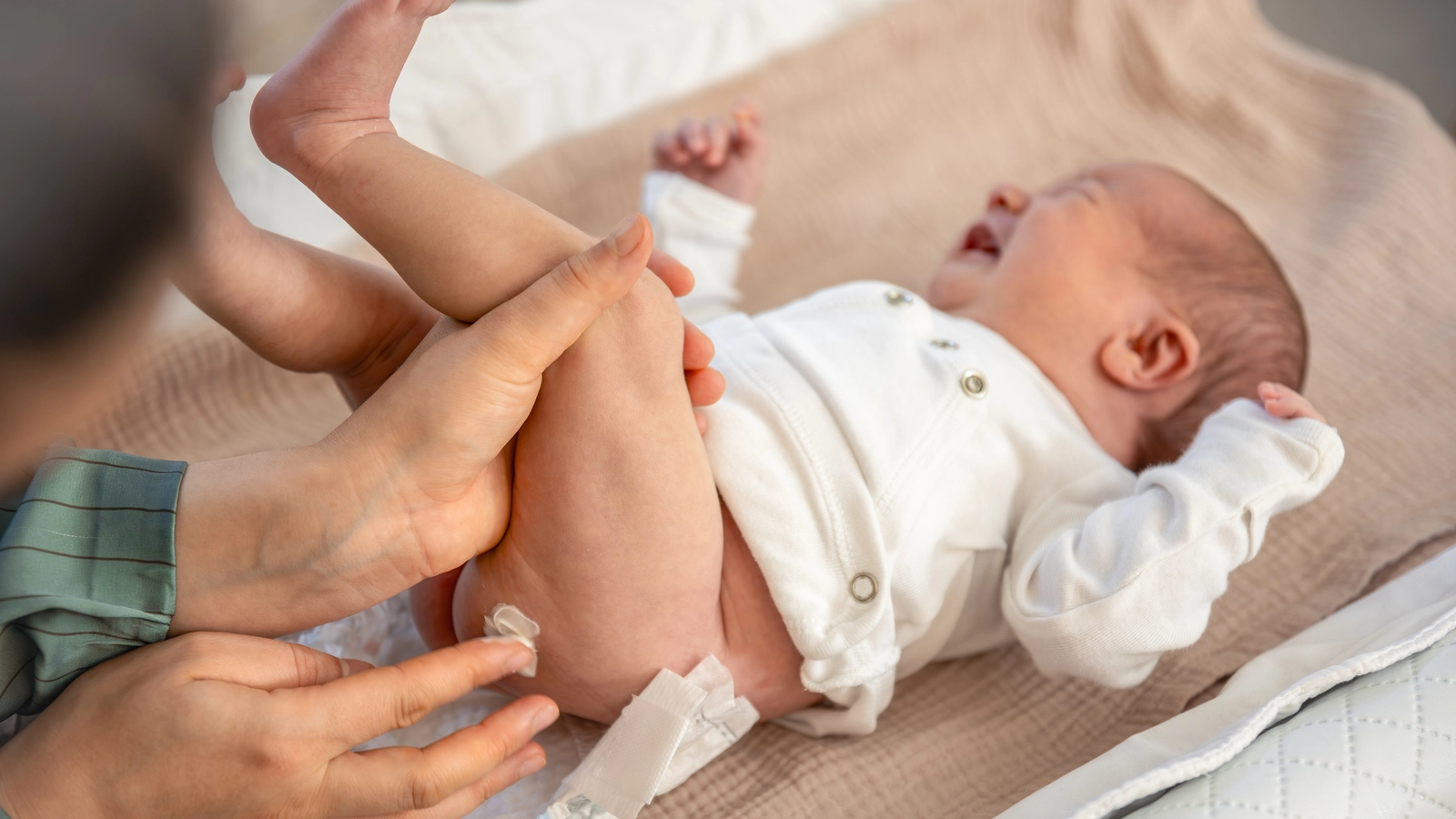
Diaper rash usually appears as red or irritated skin in the area covered by the diaper. Prolonged contact with urine or stool, friction, and moisture can damage the skin barrier and cause inflammation.
If the rash appears bright red, has clearly defined edges, and is accompanied by small bumps around the main rash, a Candida fungal infection should also be considered. Fungal rashes are often more severe in the groin folds.
6. Cradle Cap
Cradle cap is a form of seborrheic dermatitis that commonly appears on a baby's scalp. It looks like yellowish, slightly greasy scales and may sometimes be accompanied by redness.
Unlike some other types of rashes, cradle cap is usually not itchy or uncomfortable for babies. It is very common and typically improves as the baby gets older.
7. Chickenpox
Chickenpox is caused by the varicella-zoster virus and usually causes an itchy rash. The rash may begin as small spots, which then develop into fluid-filled blisters before drying and forming scabs.
New spots may appear while earlier spots have already developed into blisters or scabs. Chickenpox may also be accompanied by fever, and the baby may appear generally unwell.
8. Fungal Infection
Fungal infections occur when fungi overgrow on the skin and cause inflammation. One type of fungus that can cause this condition is Candida, which can grow more easily in warm and humid areas of the skin.
Infected skin usually appears red and moist and may feel itchy or sore. The rash may also have clearly defined edges and small bumps around the reddened area.
How to Treat and Prevent Itchy Skin in Babies
Treatment for itching should be based on its underlying cause because not all rashes or types of itching require the same medication. Moms can take several basic steps to keep their little one's skin clean, dry, and protected.
1. Choose the Right Clothing
Choose baby clothes made from soft, lightweight, and sweat-absorbing materials, such as cotton. Avoid clothing that is too tight or thick, such as jackets or multiple layers in hot weather, as these can make your little one more likely to sweat and worsen heat rash.
For babies with sensitive skin, use a mild, fragrance-free detergent and rinse clothes thoroughly. Avoid excessive use of fabric softener or fragrances, as residue can irritate your little one's skin.
2. Maintain Good Hygiene
Bathe your little one regularly, for example once or twice a day, especially after they have been sweating heavily or engaging in activities. Use water and a gentle soap, then clean areas that tend to become moist, such as the neck folds, armpits, groin, and diaper area.
Avoid rubbing the skin too hard because friction can worsen irritation. After bathing, gently pat the body dry with a soft towel, especially around the skin folds.
3. Bathe with Warm Water
Use lukewarm water when bathing your little one. The water should feel comfortably warm to the touch rather than hot. Water that is too hot can strip the skin of its natural oils and make it even drier.
Limit bath time to around 5–10 minutes and choose a gentle cleanser, such as a fragrance-free baby wash. After bathing, gently pat the skin dry and then apply a baby moisturizer to help maintain skin moisture.
4. Use Baby Moisturizer
Moisturizers can help keep the skin barrier hydrated, especially if your little one has dry skin or eczema. Choose a gentle moisturizer without strong fragrances that may irritate sensitive skin.
For babies with eczema, moisturizer is an important part of daily skincare. If the skin remains inflamed or severely itchy, consult a doctor for appropriate treatment.
5. Keep the Room Temperature Comfortable for Your Baby
Keep the room cool and ensure good air circulation so your little one does not sweat easily. For example, open the windows in the morning or use a fan to improve airflow, and choose lightweight cotton clothing that absorbs sweat.
If you use an AC, set the room temperature to around 24–26°C and adjust your baby's clothing to keep them comfortable. Moms can also check the baby's chest or the back of their neck. If the area feels hot or sweaty, remove one layer of clothing or adjust the room temperature.
6. Use Medication as Prescribed by a Doctor
Do not give your little one creams, ointments, antifungal medications, or steroid medications without a doctor's guidance. The type of medication used should be based on the cause and severity of the rash.
Moms should also have their little one examined by a doctor if the rash spreads quickly, is accompanied by fever, develops blisters or sores, becomes infected or produces pus, or if the baby appears very uncomfortable. A rash accompanied by difficulty breathing or swelling of the lips and face requires immediate medical attention.
Conclusion
Understanding the types of baby itching and what they look like can help Moms recognize common skin conditions such as heat rash, eczema, hives, contact dermatitis, diaper rash, cradle cap, chickenpox, and fungal infections. Although some conditions may look similar, their causes and treatments can be different.
Moms can care for their little one's skin by choosing comfortable clothing, maintaining good hygiene, using moisturizer, and avoiding excessively hot room temperatures. If the rash does not improve, gets worse, or is accompanied by other symptoms, consult a doctor before giving any medication.
In addition to caring for your little one's skin, the diaper area also needs attention because moisture and friction can trigger irritation. MAKUKU Slim Luxury Silky features a soft surface, thin design, and high absorbency to help keep the diaper area dry and comfortable. With soft materials and the ability to absorb liquid quickly, this diaper can be an option for helping maintain your little one's comfort during everyday activities.
FAQ
1. Is all itching in babies caused by allergies?
No, Moms. Itching in babies can be caused by many conditions, including dry skin, heat rash, eczema, irritation, fungal infections, or hives. Since the causes vary, it is also important to pay attention to the appearance and location of the rash.
2. When should itchy skin and rashes in babies be examined by a doctor?
Moms should take their little one to a doctor if the rash spreads quickly, is accompanied by fever, blisters, pus, or sores, or if the baby appears very uncomfortable. Seek immediate medical attention if the rash is accompanied by facial swelling or difficulty breathing.
3. Is MAKUKU Slim Luxury Silky safe for a baby's skin?
MAKUKU Slim Luxury Silky is designed with soft materials to help provide comfort for your little one's skin. Moms should still choose the appropriate diaper size and change the diaper regularly to help keep the diaper area clean and comfortable.