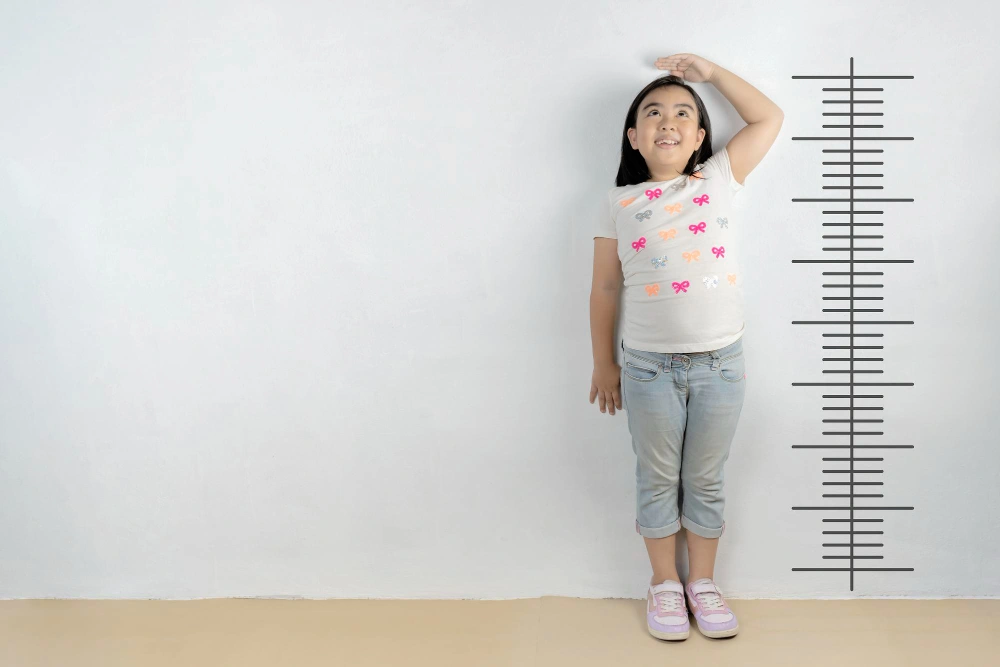
Child growth is usually observed through weight and height. Normally, these two factors develop with age. If one of them is hindered, it could be a sign of a health issue, such as stunting.
According to data from the Ministry of Health, stunting cases in Indonesia are still quite high, affecting about 3 out of 10 children. This condition certainly needs to be watched, as stunting can have long-term impacts on health, immune system, and even brain development in children.
What is Stunting?
Stunting is a condition where a child's height is shorter than the standard for their age due to chronic malnutrition.
- The Indonesian Ministry of Health defines stunting as a child's height or length that is lower than the normal standard for their age. The
- WHO defines stunting as occurring when a child's height is below -2 SD (standard deviation) from the average height of children of the same age
Stunting usually appears during the first 1000 days of life (from the fetus until the child is 2 years old). If not addressed, its effects can persist into adulthood.
Causes of Stunting in Children
Stunting occurs not only due to a single factor but is a combination of nutritional, health, and environmental conditions that do not support optimal growth and development. Some of the main causes of stunting in children include:
1. Low Birth Weight Infant (LBWI)
Babies born weighing less than 2.5 kg have a greater risk of experiencing stunted growth. This is because, from the beginning of their life, the baby starts with a less than ideal condition. Although low birth weight is not a direct cause, it remains an important risk factor to consider.
2. Lack of Nutritional Intake in Mothers During Pregnancy
A mother's nutrition during pregnancy greatly determines the quality of fetal growth. A deficiency in nutrients such as protein, iron, calcium, and folic acid can result in a baby being born with malnutrition. If this continues into childhood, the risk of stunting will be even higher.
3. Inadequate Child Nutrition Intake
After birth, children still need balanced nutrition. If their nutritional needs are not met, especially during the first 1,000 days of life (from conception to age 2), children will be highly susceptible to stunting.
4. Unbalanced Eating Patterns
Children who frequently consume high-calorie but nutrient-poor foods (such as instant foods, packaged snacks, or sugary drinks) can also experience stunting. A lack of animal protein, vegetables, and fruits leads to suboptimal bone and brain growth.
5. Lack of Exclusive Breastfeeding
Not all children receive exclusive breastfeeding for the first 6 months of their lives. In fact, breast milk is the best source of nutrition to support a baby's growth and boost their immune system.
6. Recurrent Infections
Digestive infections, respiratory infections, worm infestations, and diarrhea often experienced by children can disrupt nutrient absorption in the body. Untreated infections can also cause a loss of appetite in children, further reducing their nutritional intake.
7. Poor Sanitation and Hygiene
Children living in environments with poor sanitation (unclean drinking water, unhealthy toilets, unmanaged waste) are more susceptible to infections from germs causing diarrhea and parasitic diseases. This condition is closely related to the high stunting rates in Indonesia.
8. Inappropriate Parenting Patterns
Parents play an important role in the growth and development of children. A lack of education about balanced nutrition, delays in providing nutritious complementary foods, and insufficient stimulation of child development can increase the risk of stunting.
Stunting Risk Factors
Several conditions that increase the risk of children experiencing stunting include:
-
Born prematurely
-
The mother experienced malnutrition or infection during pregnancy.
-
Children do not receive complete immunization
-
Living in an environment with poor sanitation
-
Living in a family with low economic conditions
Symptoms of Stunting in Children
Symptoms of stunting usually begin to appear when a child is 2 years old. Some signs to watch for include:
-
Height shorter compared to peers
-
Body weight does not increase according to the growth curve
-
Tahap perkembangan (motorik & kognitif) terlambat
-
Children tend to be passive, less active in playing
-
Often sick or easily infected
-
The face looks younger than its age
-
Learning difficulties or poor memory
Long-Term Impact of Stunting
Stunting is not just a matter of height, but it also affects a child's future. The impacts include:
-
Stunted physical growth
-
Weak immune system, easily gets sick
-
Gangguan perkembangan otak & kemampuan belajar
-
Risk of chronic diseases in adulthood (obesity, diabetes)
-
Productivity decreases in adulthood
Diagnosis Stunting
The doctor will conduct a child's growth assessment by measuring:
-
Body weight
-
Height
-
Head circumference
-
Arm circumference
Hasil pengukuran dibandingkan dengan kurva pertumbuhan WHO atau KMS (Kartu Menuju Sehat). Jika tinggi badan anak berada di bawah -2 SD, maka anak dicurigai mengalami stunting.
Additional tests can be conducted to find the cause, such as blood tests (anemia, infection), stool examination (worms), and even heart ultrasound (if there is a congenital disease).
How to Prevent Stunting in Children
Prevention of stunting needs to be carried out from pregnancy until the child is 2 years old. Some steps that can be taken:
- Regularly undergo pregnancy checkups.
- Meet the nutritional needs of pregnant and breastfeeding mothers.
- Exclusively breastfeed for 6 months.
- Provide nutritionally balanced complementary foods after 6 months.
- Complete child immunizations according to schedule.
- Maintain environmental hygiene and sanitation.
- Monitor child growth regularl
Stunting is a serious problem that still occurs frequently in Indonesia. This condition not only causes children to have short stature but also affects brain development, immune system, and future productivity.
Moms & dads bisa mencegah stunting dengan memastikan gizi cukup sejak masa kehamilan, memberikan ASI eksklusif, MPASI bergizi, menjaga kebersihan, serta rutin memantau tumbuh kembang anak.
Selain itu, jangan lupa memastikan kenyamanan si kecil sehari-hari, misalnya dengan menggunakan popok yang tepat dan nyaman seperti MAKUKU Dry Care yang lembut, menyerap cepat, dan menjaga kulit bayi tetap kering.