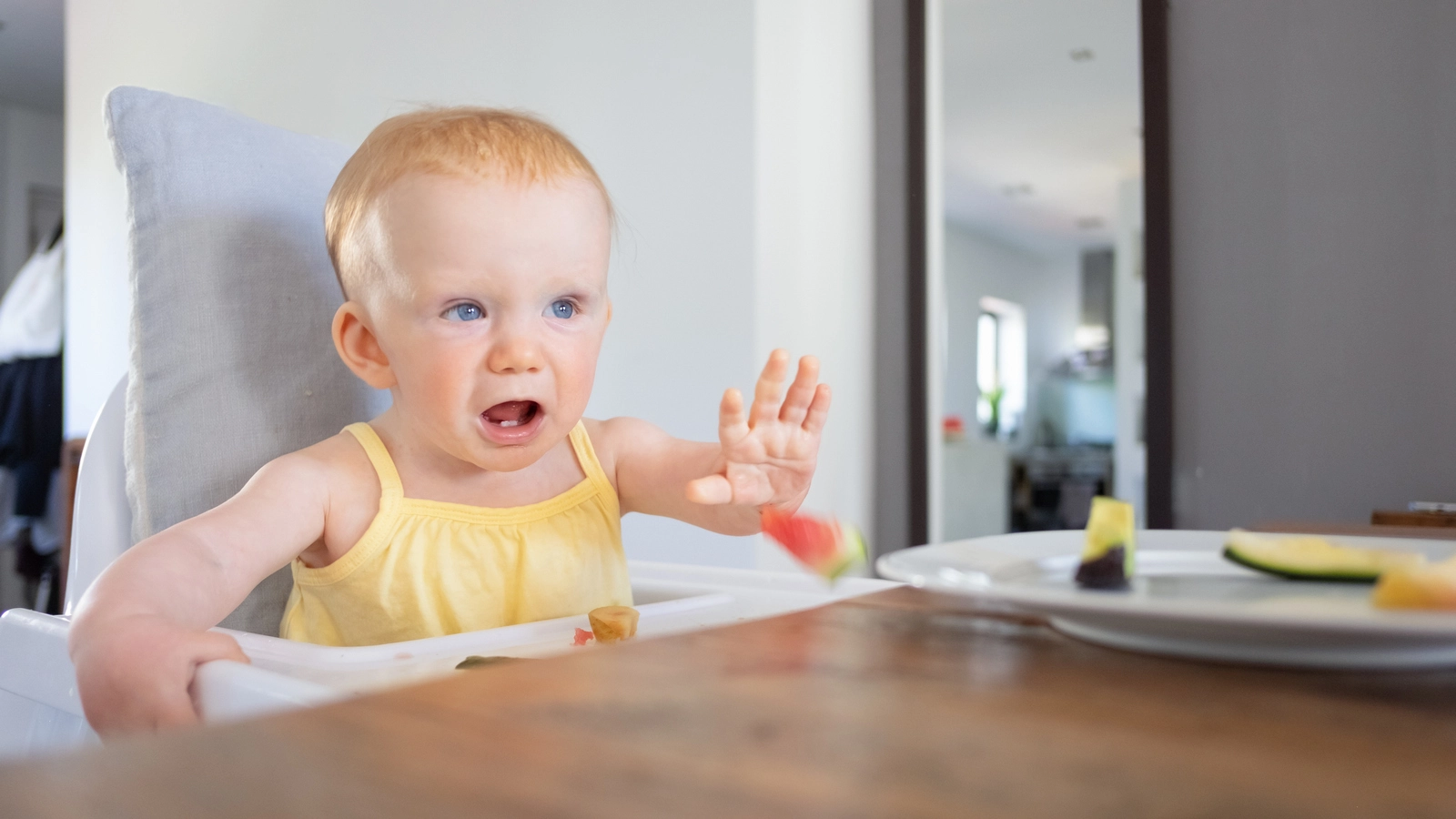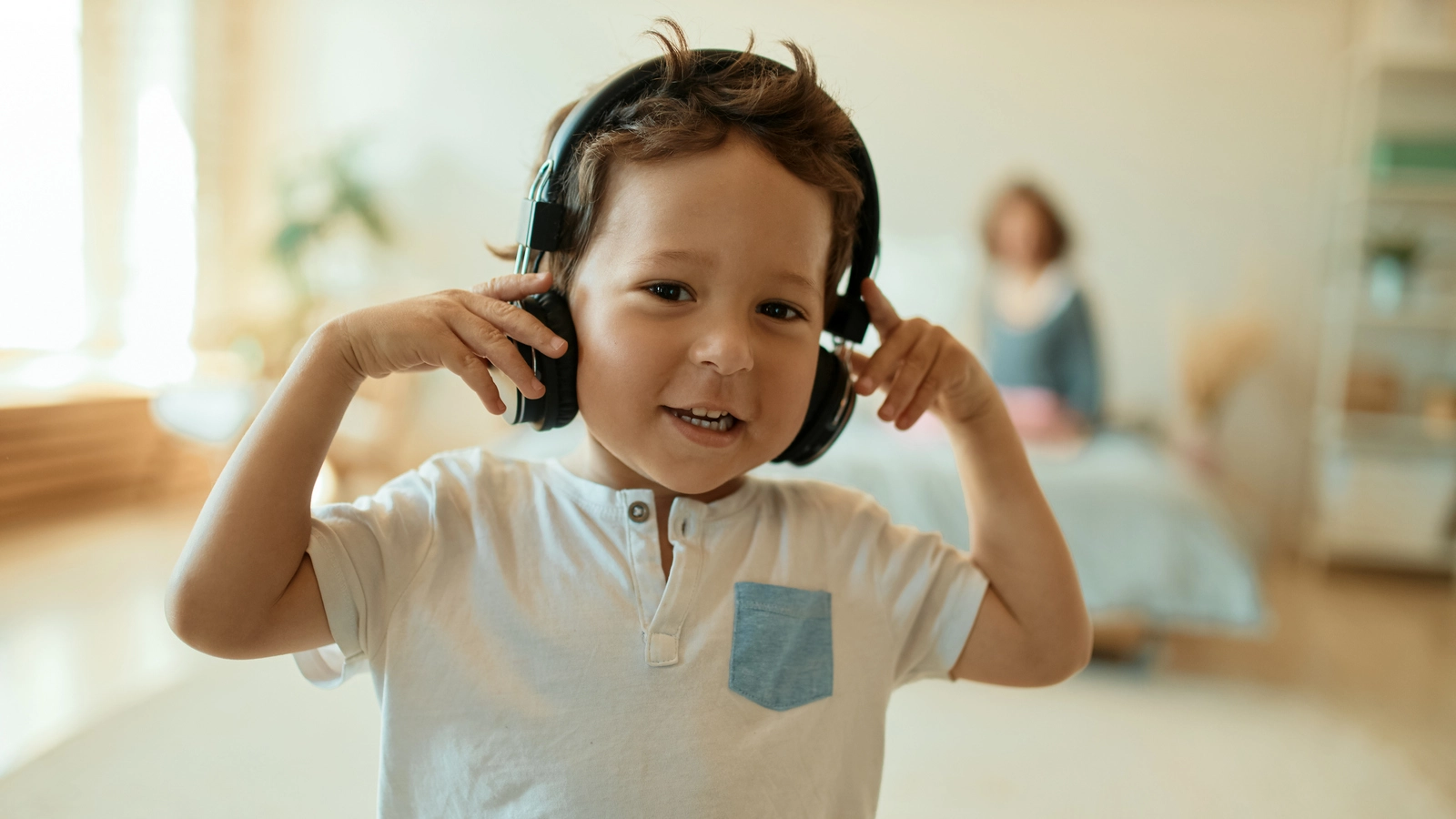
Tiger parenting is a parenting style in which parents take full control over nearly every aspect of their child’s life. Every decision, even those that seem minor, is carefully managed to ensure that their little one meets high standards and expectations.
In this parenting style, children have very limited space to express opinions or negotiate because obedience is the main focus. So, what exactly are the characteristics of tiger parenting and its impact on a child's development? Let's take a look at the explanation below, Moms.
Characteristics of Tiger Parenting That Moms Need to Recognize
Tiger parenting or tiger parenting style is a very strict and achievement-oriented parenting style. Parents with this style tend to control almost every aspect of the child's life to ensure the child meets the family's standards and expectations.
In practice, the Little One often does not have room to discuss or express opinions. All major decisions are determined by the parents, and the child is expected to comply without asking many questions. Here are some common characteristics of tiger parenting.
1. Parents Hold Full Control
In this parenting style, parents become the central control in the child's life. From the choice of school, extracurricular activities, to social interactions, everything is determined by Moms and their partners.
As a result, a significant gap is created between parents and children. Two-way communication is difficult to establish because the child is not accustomed to expressing their opinions. When making mistakes, the child usually receives punishment as a form of discipline.
2. Rules That Are Too Strict
Activities considered to disrupt learning focus, such as playing at a friend's house, attending birthday parties, and even dating during adolescence, are often restricted or prohibited.
Moms who apply this parenting style believe that sacrifices in childhood will lead to great success in the future. However, the little one might feel a loss of playtime and important social experiences crucial for their emotional development.
3. Very High Demands
In tiger parenting, the standards of success are usually very high. The child is encouraged to always be the best, achieve perfect grades, and excel in various competitions.
Failure is often considered something shameful or tarnishing to the family's reputation. As a result, children spend most of their time studying or participating in achievement-supporting activities. This pressure to always be perfect can make the child feel anxious and afraid of making mistakes.
4. Fear-Based Approach
In a family with a tiger parenting style, parents are often seen as figures who must not be contradicted. The child is expected to always be obedient without resistance.
If a child dares to express disagreement, the response can include emotional threats, yelling, and even physical punishment. Forms of punishment may involve confiscating beloved items, harsh scolding, or even belittling the child. This fear-based approach risks causing long-term emotional harm.
5. Minimize Space for Independence
Tiger parenting tends to limit the child's opportunity to learn independently. The child must always seek approval before making decisions, even in small matters.
Moms may intend to protect and guide the child, but unknowingly, the little one does not learn to develop critical thinking skills and personal responsibility. Additionally, parents rarely explore the child's interests, talents, and unique personality because the main focus is on following a predetermined path.
6. Success Measured by Status
In the view of tiger parenting, success is measured by visible and commendable achievements. Meanwhile, qualities such as empathy, creativity, emotional intelligence, and the ability to build social relationships are often considered less important. In fact, these are the aspects that help the little one lead a balanced and happy life.
Differences Between Tiger Parenting and Other Parenting Styles
Unlike authoritative parenting, which emphasizes a balance between rules and empathy, tiger parenting focuses more on end results and success as the main benchmarks. When compared to helicopter parenting, both show a high level of parental involvement.
However, the difference lies in the approach. Tiger parenting tends to pressure children to achieve high standards, while helicopter parenting is more protective and often takes over the child's problems to avoid failure.
For Moms, it's important to understand that each parenting style has a different impact, depending on the child's needs and character.
The Impact of Tiger Parenting on Child Development
A parenting style that is too strict and full of punishment can impact the child's mental health. Growing up under pressure makes children more susceptible to anxiety, lack of confidence, and even depression because they feel they must always meet their parents' expectations without room for mistakes.
Little ones may also struggle to make decisions because they are used to being directed. The fear of disappointing their parents makes them anxious about failure. High pressure in the long term risks triggering severe stress, even leading to self-harming behavior.
Although tiger parenting can instill discipline and a strong work ethic, Moms still need to balance it with affection. The little one needs emotional support and unconditional acceptance to grow not only smart but also happy and confident.
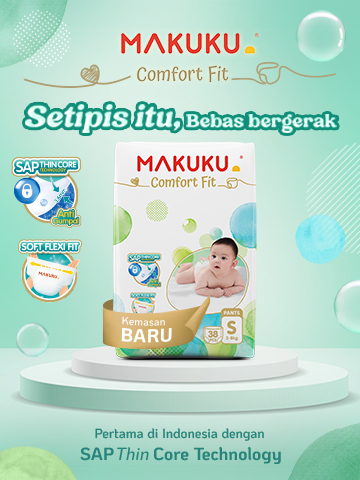 Moms, amidst the discipline of tiger parenting, ensure that your little one remains comfortable in their daily process. With MAKUKU SAP Diapers Comfort Fit, the Little One is free to move thanks to its snug design and soft material, allowing them to explore and develop skills without interruption.
FAQ
Why Do Some Parents Practice Tiger Parenting?
Many parents implement tiger parenting starting from good intentions and concerns about their child's future, even though the methods used tend to be strict and even harsh. Cultural factors also often influence this, especially in environments that highly value academic achievement and family reputation.
In addition, past experiences also play a role. Parents who grew up under a high-pressure upbringing and felt successful because of it might consider that method effective. Instead of seeking new approaches, they choose to apply a similar pattern to their children in the hope that the results will be the same or even better.
Frequently Asked Questions Moms
How Does MAKUKU Comfort Fit Help Your Little One Stay Active?
MAKUKU Comfort Fit, as the best baby diaper, is designed with a flexible design that follows the natural shape of the Little One's body. The MAKUKU Comfort Fit diaper stays in place without hindering movement, allowing the Little One to crawl, play, and explore comfortably without any obstruction.
Will the Waistband and Thighs of MAKUKU Comfort Fit Leave Red Marks on Your Little One?
Certainly, Moms. Although elastic, the waist and thigh areas of MAKUKU Comfort Fit are made from soft and skin-friendly materials. Its design provides optimal protection without excessive pressure, helping to prevent red marks on your little one's skin.
Why Does the Thin MAKUKU Comfort Fit Still Feel Comfortable and Snug?
MAKUKU Comfort Fit Thin Diapers are designed with precise sizing, neither too tight nor too loose. Although thin, MAKUKU Comfort Fit still helps minimize the risk of side leaks without making the little one feel constricted, ensuring comfort throughout the day.
References:
-
https://hellosehat.com/parenting/tiger-parenting/
-
https://www.theminded.org/post/what-is-tiger-parenting
-
https://www.halodoc.com/artikel/mengenal-lebih-dalam-pola-asuh-tiger-parenting-1