Child growth and development is a continuous process from pregnancy to adulthood, covering physical, motor, cognitive, emotional, social, and language aspects, with the first 1,000 days playing a crucial role in laying the foundation for health and quality of life.
Becoming a new parent often makes Moms wonder if their child's growth and development are appropriate for their age, especially when comparing their little one with other children. This concern is natural, as every parent certainly wants to ensure their child grows healthily and develops optimally from the start of life.
Through various trusted references and children's health guides, we see that a good understanding of child development helps Moms be more confident in accompanying their little ones at every stage of their age.
What is Meant by Child Growth and Development?
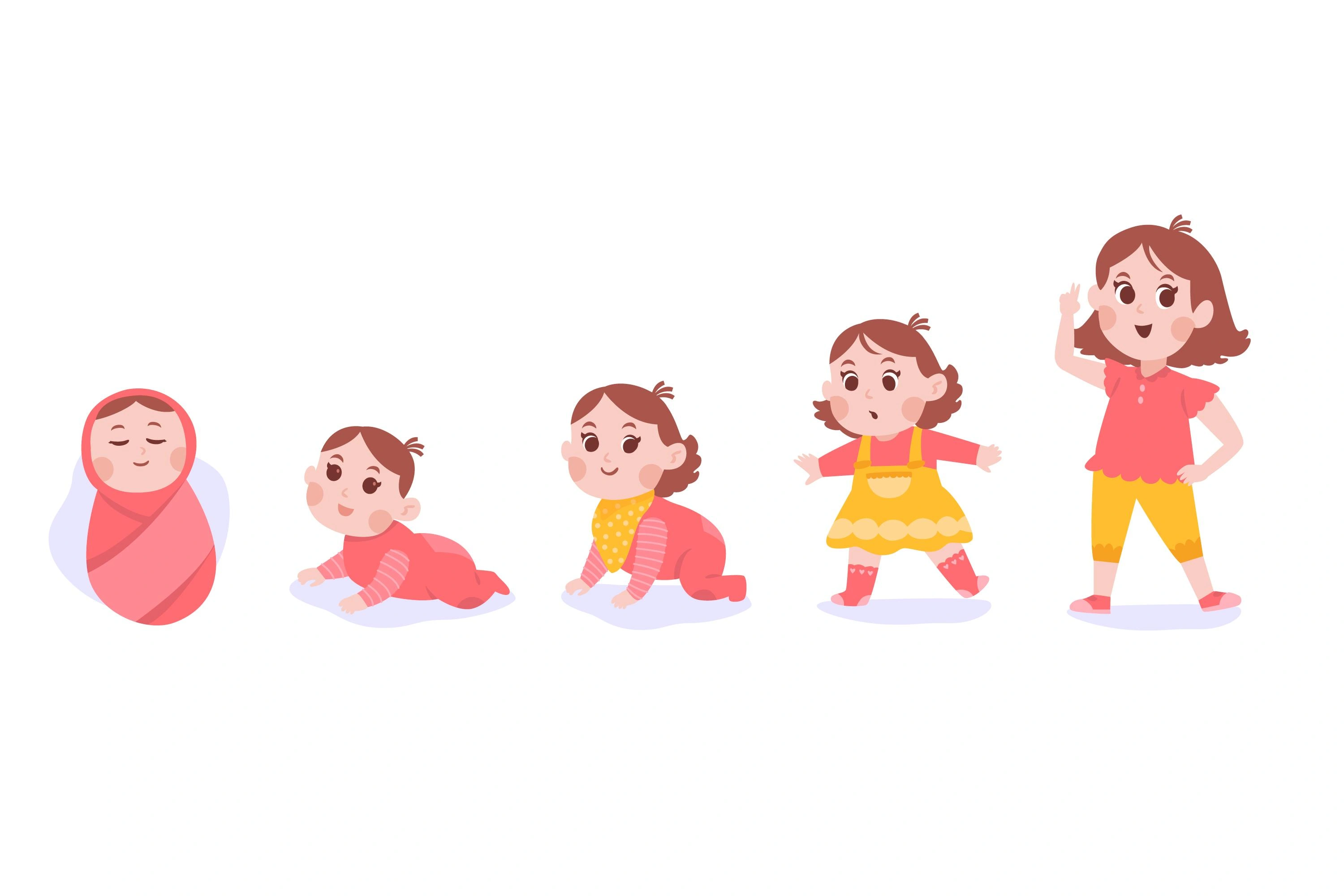
Child growth and development is a continuous process that encompasses physical growth and functional development from infancy to adulthood. In the world of health, these two terms have different meanings but are interrelated.
Growth refers to changes in body size that can be measured objectively, such as weight, height, and head circumference. These parameters are usually monitored using growth charts based on World Health Organization (WHO) standards.
Meanwhile, development relates to improvements in physical abilities and functions, including motor, language, cognitive, social, and emotional development. Examples include a child's ability to roll over, sit up, talk, and interact with their surroundings.
Understanding this difference is important so that Moms not only focus on the numbers on the scale but also pay attention to how the child's abilities develop according to their age stage.
Factors Influencing Child Growth and Development
A child's growth and development are not determined by a single factor. There are several key elements that interact and shape this process as a whole.
Genetic Factors
Genetics play a role in determining basic potential, such as height, body shape, and the speed of certain developments. However, genetics are not the only determinant of the final outcome.
Nutrition
Adequate nutrition intake from infancy plays a significant role in supporting brain growth and development. A deficiency in certain nutrients can impact body weight, immune system, and even learning abilities later in life.
Stimulation
Interaksi sehari-hari seperti berbicara, bermain, menyentuh, dan merespons si Kecil merupakan stimulasi penting bagi perkembangan otak. Stimulation yang konsisten dan sesuai usia terbukti mendukung koneksi saraf yang optimal.
Environment and Parenting Styles
An environment that is safe, loving, and responsive helps children feel comfortable to learn and explore. Parenting that is sensitive to the needs of the child also plays a role in emotional and social development.
General Health
Recurrent illnesses, sleep disorders, or certain medical conditions can affect a child's growth and development, making regular health monitoring an integral part.
Child Growth and Development Stages Based on Age
Each age stage has different growth and development characteristics. Understanding these stages helps Moms recognize what is normal and what needs attention.
Baby Growth and Development from 0 to 12 Months
In the first year of life, development occurs very rapidly. A baby's weight generally increases two to three times compared to their birth weight.
From a developmental perspective, the little one begins to learn to control their body, starting from lifting their head, rolling over, sitting, to crawling and standing. Responses to sounds, social smiles, and babbling are also important indicators of early sensory and language development.
In this phase, the comfort and health of the baby's skin play a significant role. A comfortable baby will be more active in moving and exploring. Therefore, the use of diapers with high absorbency, good air circulation, and a design that follows the baby's movements can support the Little One's daily activities.
Growth and Development of Toddlers Aged 1 to 5 Years
Entering the toddler age, children show a significant leap in motor skills, language, and independence. They begin to walk, run, climb, and develop the ability to speak and understand simple instructions.
At this stage, emotional and social development becomes clearly visible. Children learn to express feelings, interact with others, and build self-confidence.
Moms can support this stage by providing opportunities for active play, consistent routines, and balanced nutrition to support energy and growth.
School-Age Child Development
At school age, physical growth occurs more steadily, while cognitive and social development becomes more dominant. Children begin to be able to think logically, solve simple problems, and form more complex social relationships.
The role of parents shifts from full supervision to accompaniment, especially in building healthy habits, discipline, and a sense of responsibility.
How to Monitor Child Growth and Development?
Monitoring a child's growth and development should be done regularly and systematically. One of the most common ways is to use growth charts that compare a child's weight and height with WHO standards.
In addition to physical measurements, Moms also need to pay attention to developmental milestones according to age, such as motor skills, speech, and social interaction. The Mother and Child Health Book or KIA usually provides milestone guidelines that can be used as a reference.
At home, Moms can observe whether the Little One is active, responsive, and shows interest in the environment. If there are any doubts, consulting with healthcare professionals can provide clarity and peace of mind.
Signs of Child Development that Need to Be Watched
Every child develops at a different pace, but there are some signs that should not be ignored. For example, a baby who very rarely responds to sound, a child who shows no attempt to speak at a certain age, or stagnant weight growth over a long period.
Delay does not always mean a serious problem, but early detection allows for more effective intervention. The sooner a child receives the necessary support, the greater the chance to catch up.
The Role of Comfort in Supporting Children's Activities
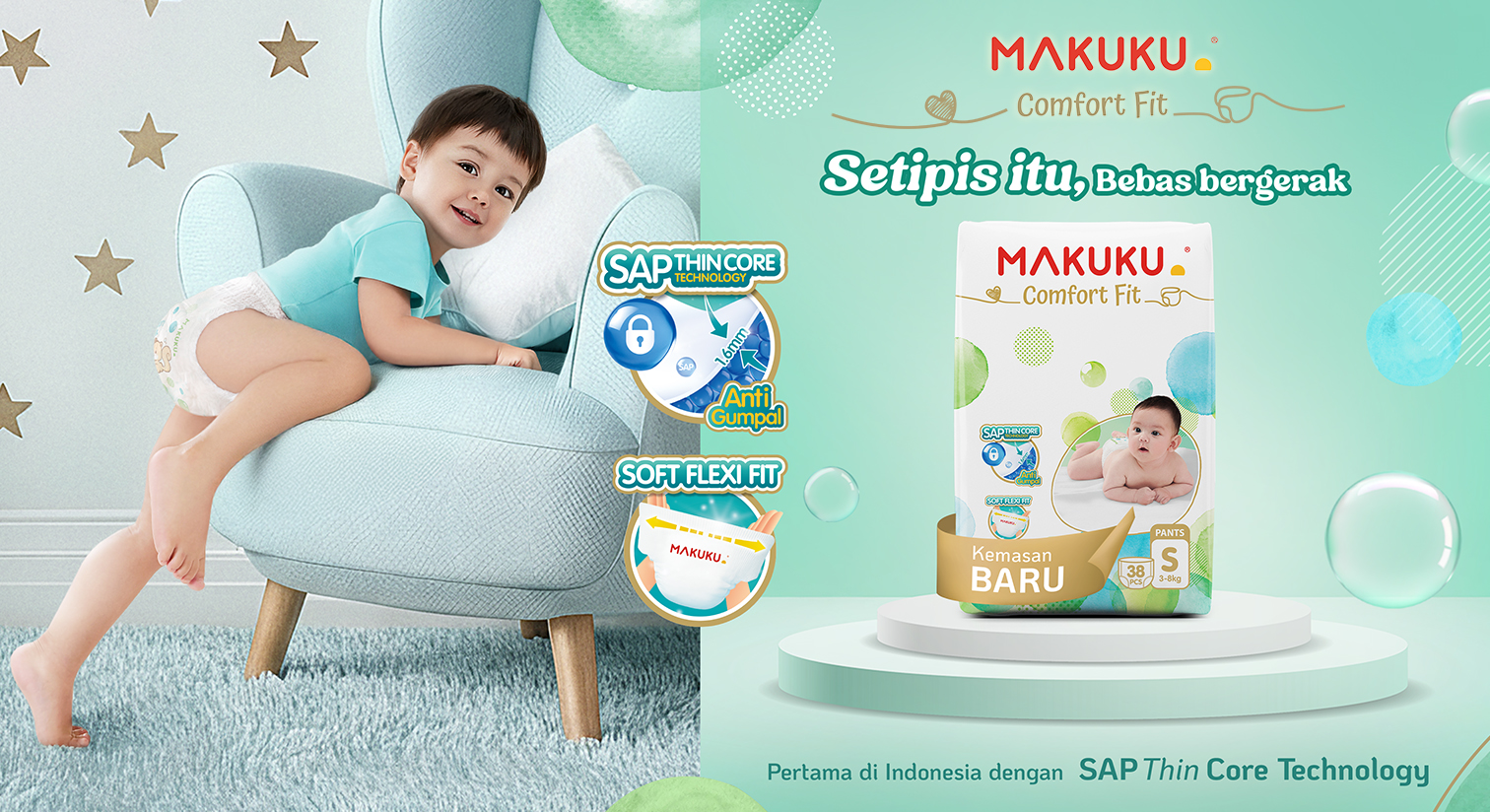
In supporting a baby's daily activities, comfort is an important factor that often influences the quality of movement and the mood of the little one. MAKUKU Comfort Fit is designed for active babies who need maximum comfort throughout the day.
With the Comfort Fit design that fits the body, this diaper provides freedom of movement without worrying about shifting. The SAP Thin Core technology helps lock in liquid maximally, keeping the surface dry, clump-free, and effectively reducing the risk of diaper rash. High absorbency keeps the diaper thin and comfortable for longer use.
Feature The Belly Button U Shape helps protect the newborn's umbilical area from friction and reduces the risk of irritation. The elastic waistband conforms to the baby's body shape with double protection, while the air circulation layer helps maintain the Little One's skin moisture balance.
Babies who feel dry and comfortable tend to be more active, explore, and respond to their environment, which indirectly supports their growth and development process.
Understanding a child's growth and development according to their age stage helps Moms take an active role in supporting the Little One's overall health and development. With proper monitoring, consistent stimulation, and a supportive environment, every child has the opportunity to grow and develop according to their potential.
An approach based on knowledge and observation, not comparison, will help Moms fulfill their role as parents with more confidence and calmness.