Babies generally begin sitting on their own at 6–8 months through several developmental stages, and MAKUKU Comfort Fit is here as a comfortable diaper solution with high absorbency to support little one's active activities while learning to sit.
As your baby grows, they will begin to show various important milestones, one of which is the ability to sit independently. At this stage, Moms may start wondering — when can babies sit on their own stably according to their age?
This ability is a sign that their muscle strength and motor development are improving. However, one thing to keep in mind: every baby develops at their own pace.
When Can Babies Sit On Their Own?
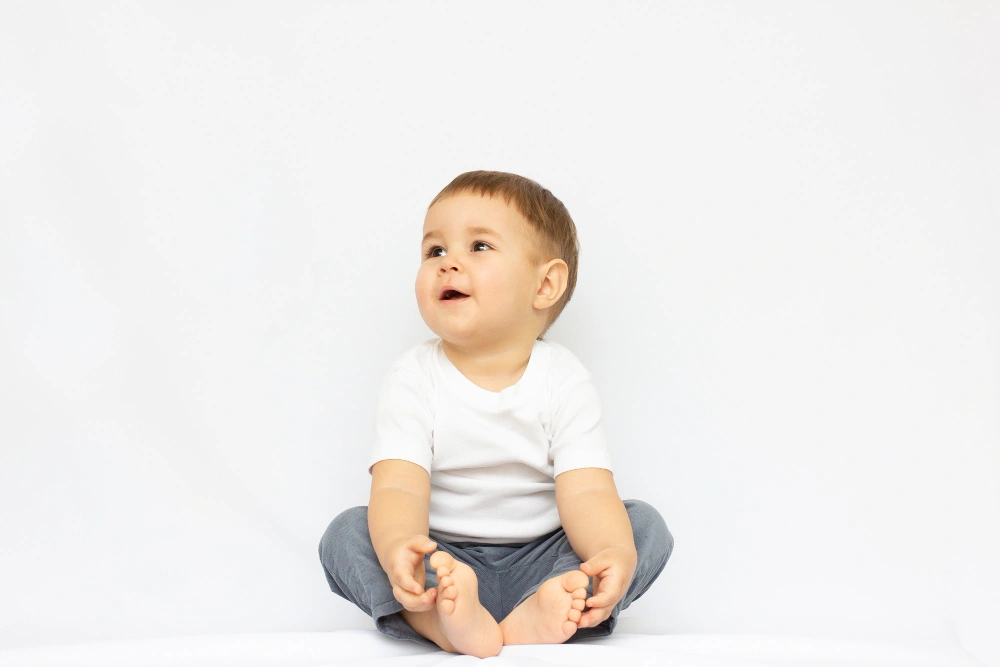
Babies generally begin to sit independently around 6–8 months of age. At this age, your little one's neck, back, and abdominal muscles are strong enough to maintain body balance without assistance.
However, before truly being able to sit independently, babies typically go through several stages, such as sitting with support or propping their body up with their hands. So if your little one isn't sitting yet at that age, Moms don't need to worry right away, as long as their development continues to progress gradually.
Baby Sitting Stages by Age
Before being able to sit independently, babies go through several developmental phases. Here are the stages for your little one to sit on their own.
1. Age 0–3 Months
At this phase, babies cannot yet sit. However, they begin to learn to lift their heads during tummy time. This is important as it forms the foundation of neck muscle strength.
2. Age 4–5 Months
At this age, babies begin to sit with assistance — for example, propped up with pillows or while sitting on someone's lap. Their back muscles are starting to develop, though not yet stable.
3. Age 6–7 Months
Babies begin learning to sit without support, although they often fall or need their hands as a prop in front of them (tripod position).
4. Age 8–9 Months
At this stage, babies can usually sit independently in a more stable manner without assistance and can start playing while seated.
Signs Baby Is Ready to Sit
Every baby shows different signs of readiness. However, there are some general indicators Moms can watch for before little one fully sits independently.
1. Head Is Upright and Stable
If your little one can hold their head well without wobbling, this indicates their neck muscles are strong enough.
2. Can Roll Over Easily
The ability to roll over demonstrates good body coordination, which is also important for sitting.
3. Often Tries to Sit When Supported
Babies will typically begin trying to sit when Moms pull their hands into a sitting position or when propped up.
4. Back Muscles Appear Stronger
If your little one can hold their body up longer while sitting with support, this is a sign their muscles are increasingly ready.
How to Train Baby to Sit Faster
Training babies to sit should be done gradually while keeping little one's comfort in mind.
1. Regular Tummy Time
Tummy time helps strengthen neck, shoulder, and back muscles. Do it daily, even if only for a few minutes.
2. Sit with Assistance
Moms can help little one sit by propping them up with pillows. This helps babies get familiar with the sitting position.
3. Use Toys as Stimulation
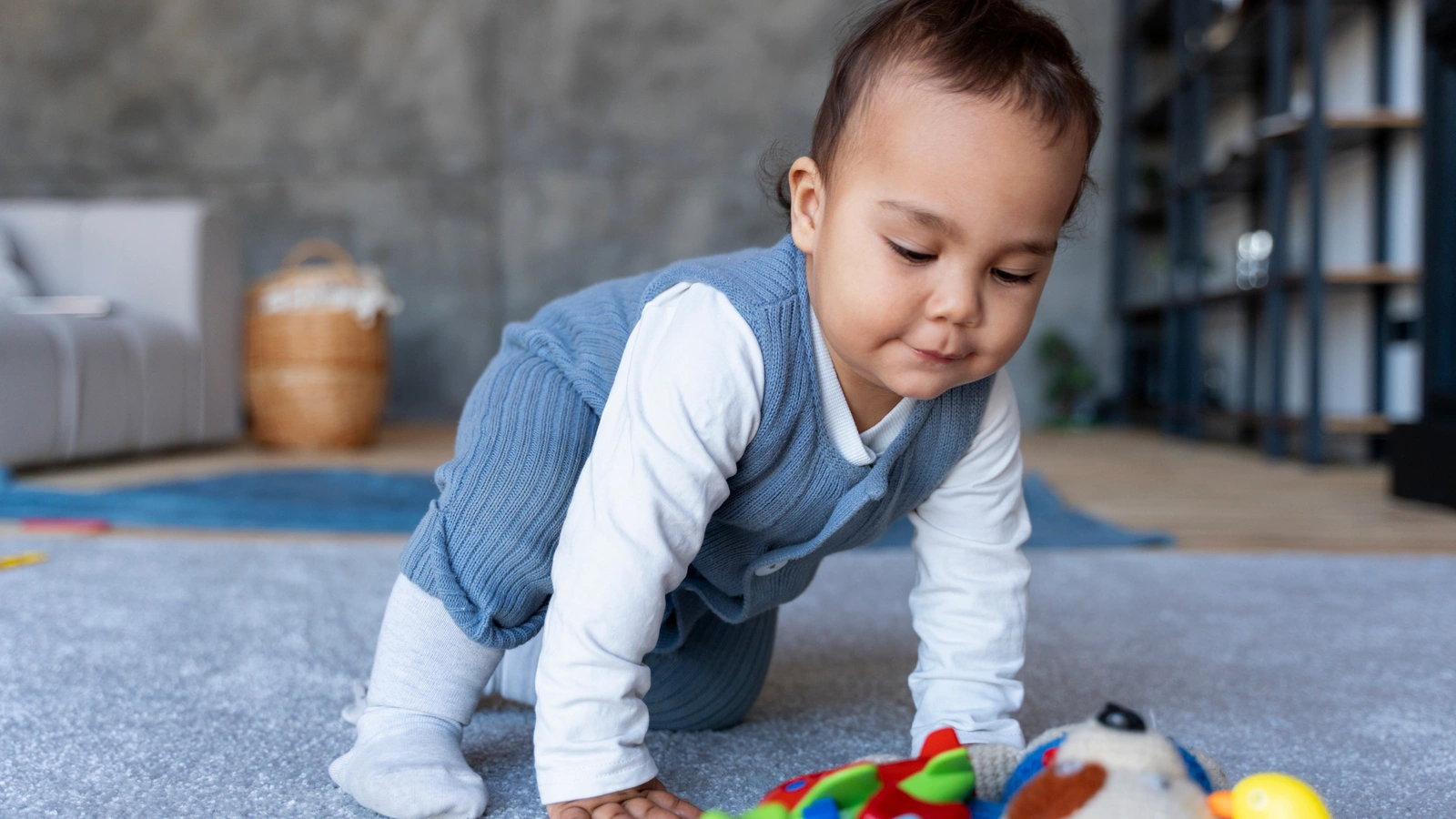
Place toys in front of baby while seated so they are encouraged to maintain balance and stay upright.
4. Train Gradually
No need to rush, Moms. Let baby learn at their own pace so they don't feel pressured or uncomfortable.
Safe Tips When Practicing Sitting
Safety remains the top priority when little one is learning to sit. Make sure the surrounding area is safe and comfortable so they can practice more freely and avoid the risk of falling.
1. Use a Soft Surface
Make sure baby sits on a soft surface to reduce the risk of injury if they fall.
2. Always Supervise
Never leave the baby alone while learning to sit, as they can still lose their balance.
3. Avoid Forcing Baby
If baby appears not yet ready or tires easily, stop the practice session and try again at another time.
4. Ensure Safe Positioning
Pay attention to baby's back and neck position to keep them safe and not overly hunched.
Conclusion
Babies generally begin sitting on their own at 6–8 months, but every child has unique development. By understanding the stages, signs of readiness, and proper training methods, Moms can support little one's learning process with more calm and confidence.
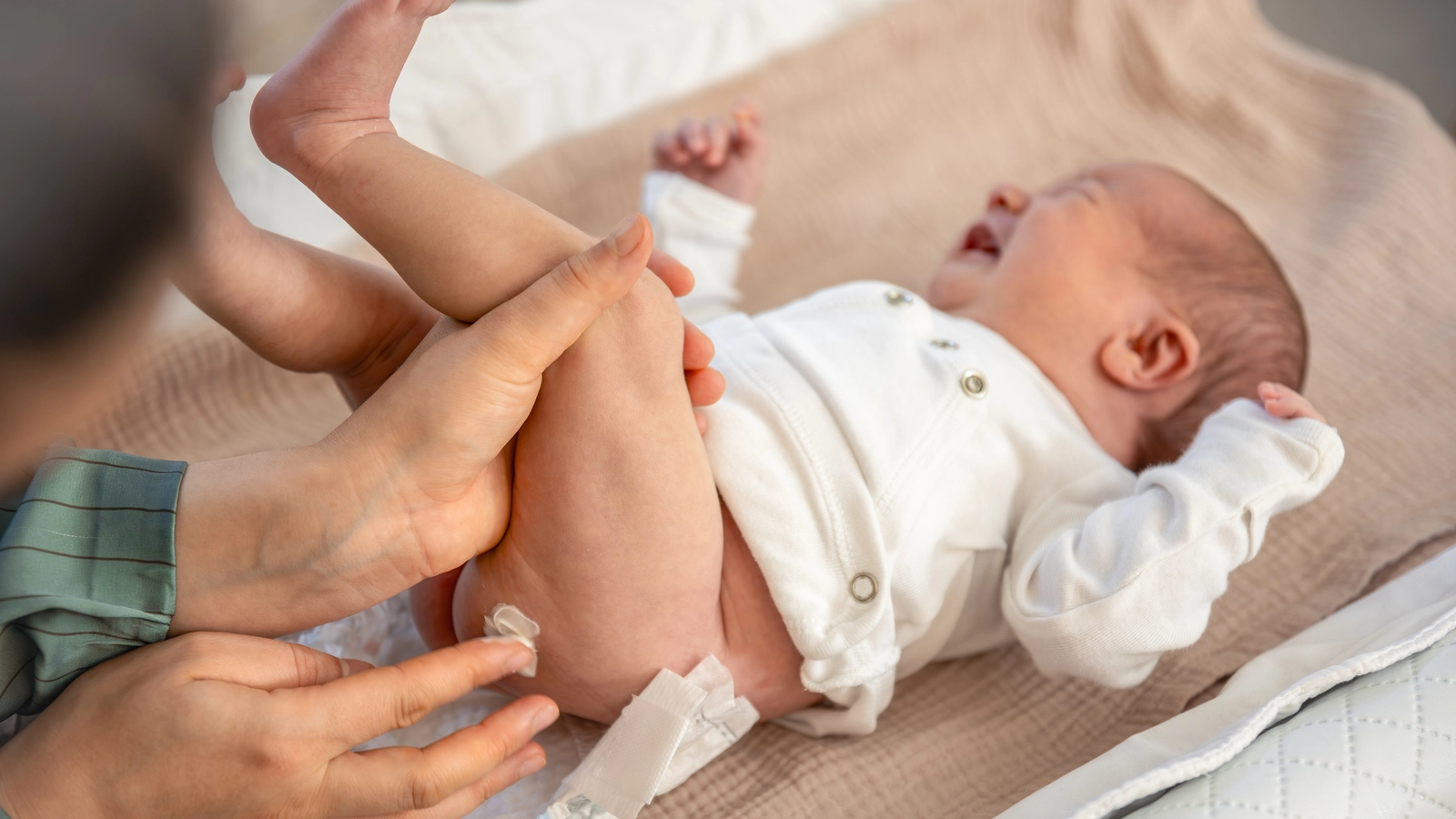
In this active phase, little one will move around increasingly more. Therefore, it is important to ensure maximum comfort and protection in every activity — one of which is by using MAKUKU Comfort Fit.
This diaper is designed for active babies who need maximum comfort thanks to the Comfort Fit design that fits little one's body perfectly. MAKUKU Comfort Fit is also equipped with SAP Thin Core technology that ensures high absorbency, keeping baby's skin dry for longer. With the right protection, little one can move freely, learn to sit, and explore the world more joyfully every day.
FAQ
1. Can babies sit before 6 months?
Yes, they can — as long as it is still with support and not forced.
2. Does a baby walker help babies sit faster?
No. A baby walker does not directly affect a baby's ability to sit.
3. How long should babies practice sitting each day?
Just a few minutes per session, adjusted to baby's comfort.
4. Do chubby babies sit later?
Not necessarily — every baby has a different development pace.
5. When should you see a doctor if baby can't sit yet?
If the baby cannot sit by 9 months, it is best to consult a doctor.
6. Is MAKUKU suitable for active babies?
Absolutely, Moms. Its design fits the body well so it doesn't easily shift when little one moves a lot.
7. Does MAKUKU have complete sizes for babies?
Yes. Various sizes are available that can be adjusted to little one's weight and age.