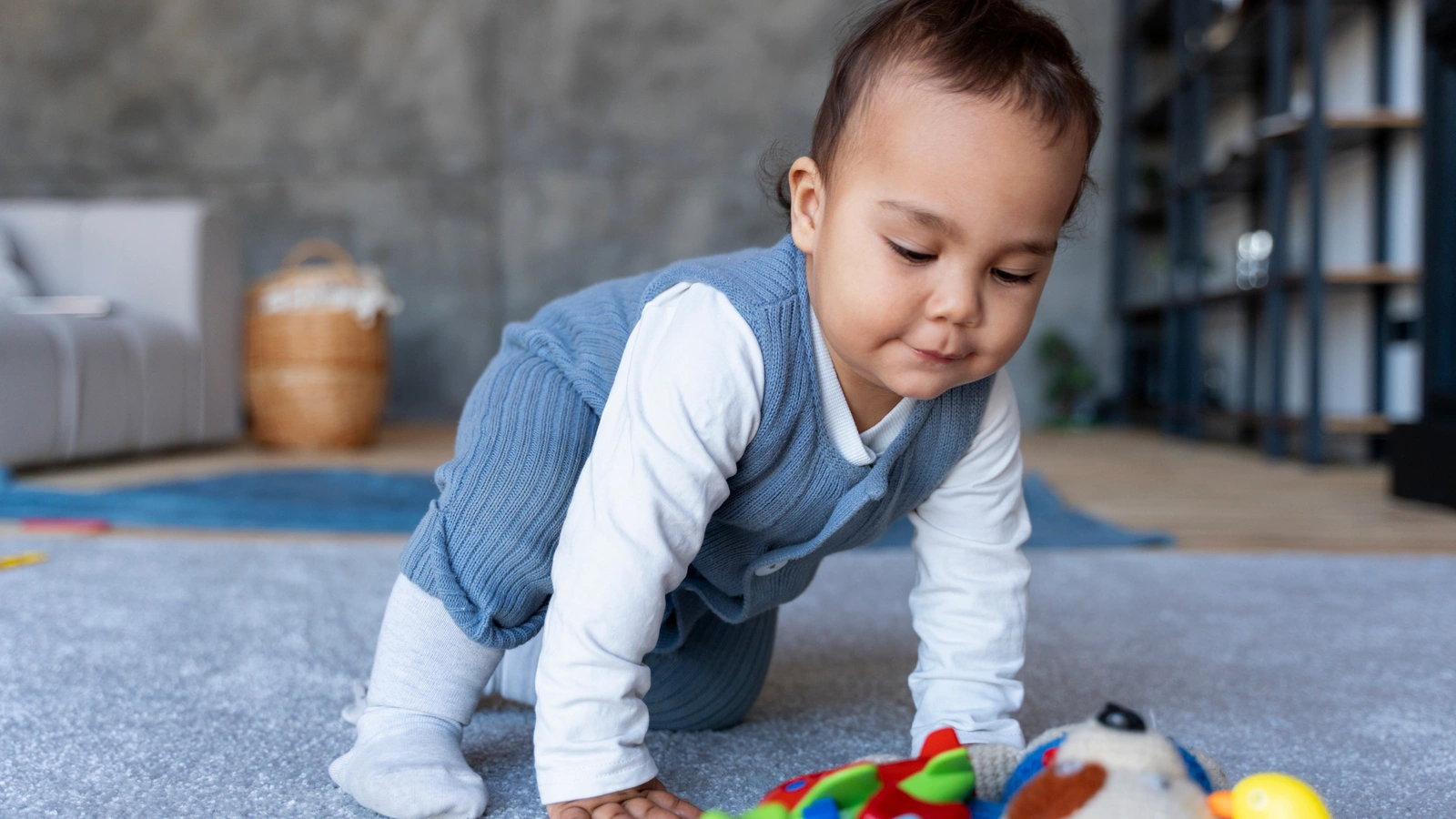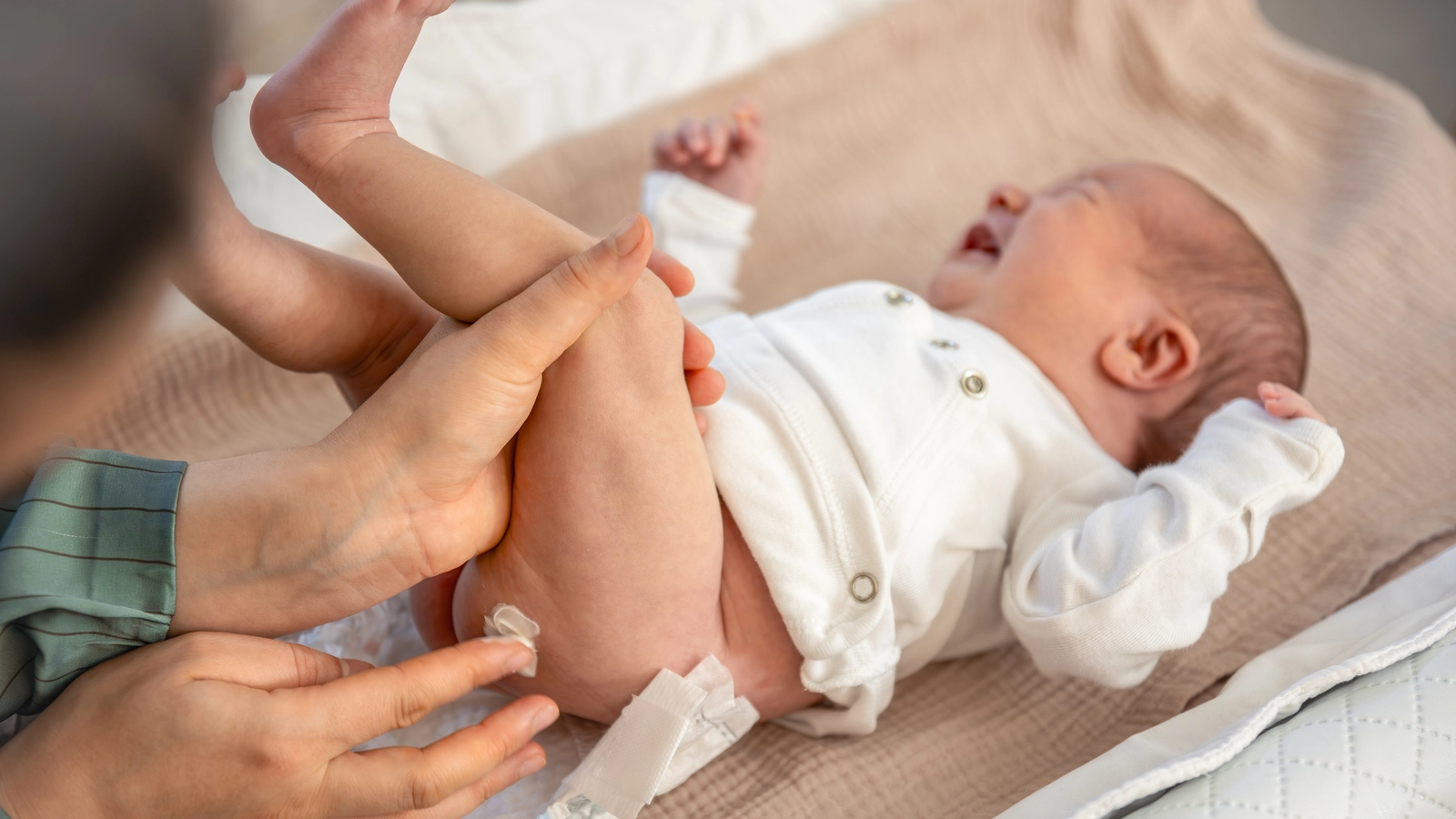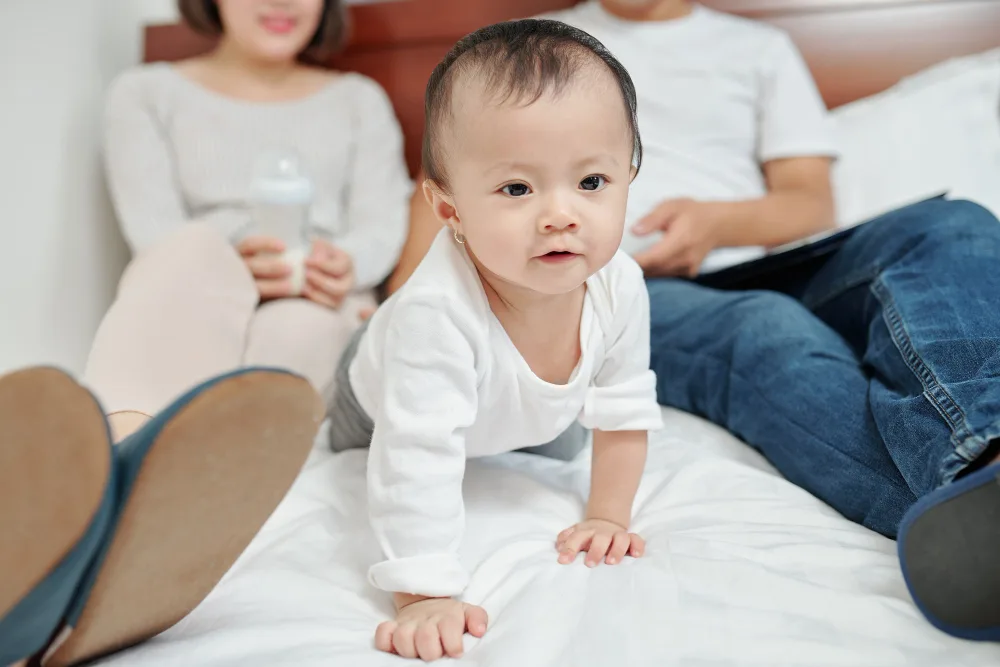
An 8-month-old baby not yet able to crawl is still considered normal because each baby's motor development is different. Proper stimulation can help your little one become more active. MAKUKU Comfort Fit diapers support babies who are actively learning to crawl because they fit your little one's body well.
The development of a baby's motor skills often makes Moms curious. One of the moments eagerly awaited is when the little one starts to crawl. But what if an 8-month-old baby hasn't started crawling yet? Is this normal?
Don't worry, Moms. Every baby has a different developmental rhythm. Some babies start crawling at 6 months, but others may only begin at 9-10 months. In fact, some babies might skip the crawling phase altogether and go straight to learning to stand or walk.
To help Moms better understand this development, let's take a look at a complete explanation of the causes, signs of readiness to crawl, and stimulation that can assist your little one.
Is It Normal for an 8-Month-Old Baby Not to Crawl Yet?
In general, babies start learning to crawl at the age of 6-10 months. This means that if an 8-month-old baby hasn't started crawling yet, this condition is still considered normal as long as other motor developments are progressing well. At this stage, the baby is actually still in the process of strengthening body muscles, especially the neck, back, arm, and leg muscles. All of these muscles are needed to support the body while crawling.
Selain itu, beberapa bayi membutuhkan waktu lebih lama karena mereka masih fokus pada keterampilan lain, seperti duduk tanpa bantuan, berguling, atau mencoba berdiri. Jadi, Moms tidak perlu langsung khawatir jika Si Kecil belum menunjukkan tanda merangkak.
According to Centers for Disease Control and Prevention (CDC)According to the Centers for Disease Control and Prevention (CDC), a baby's development is measured through milestones, which are skills that most children can typically perform at a certain age. Since each baby develops at a different pace, some may start crawling earlier, while others may only show this ability around 9–10 months of age.
Pre-Crawling Stage
Before being able to truly crawl, babies usually go through several stages of motor development. These stages help the baby's body prepare the strength and coordination needed.
1. Lifting the Head Steadily
In the initial stage, babies begin to lift and hold their heads while on their stomachs. This ability is important because it helps strengthen the neck and shoulder muscles. This ability usually starts to appear around the age of 3–4 months and will become stronger over time.
2. Rolling
Around the age of 4–6 months, babies usually begin to learn to roll over from their back to their stomach or vice versa. This movement trains body coordination and core muscle strength. If your little one is frequently rolling over, it is a sign that their body is preparing for the next stage.
3. Sit Without Assistance
Many babies begin to sit up on their own without support at around 6–8 months of age. The sitting position helps babies practice balance and control their bodies. Once the ability to sit is stable, babies usually start trying to lean forward and support themselves with their hands, which is the beginning of crawling movements.
4. Lifting the Body with Hands and Knees
This stage is often referred to as the initial crawling position. The baby begins to support their body with both hands and knees, then sometimes rocks back and forth. This movement is actually a practice before the baby truly starts crawling.
Causes of an 8-Month-Old Baby Not Crawling
There are several reasons why an 8-month-old baby has not yet shown signs of crawling. Most of the causes are normal and not a cause for concern.
1. Every Baby's Development is Different
Every baby has a unique developmental timeline. Some babies are quick in motor skills, while others take longer. These differences can be influenced by genetic factors, activity habits, and the stimulation provided.
2. Body Muscles Are Still Strengthening
Crawling requires the coordination of many muscles simultaneously. If the muscles in the hands, back, or legs are still in the strengthening phase, the baby may need additional time before being ready to crawl. This is very common in babies who are focusing on learning to sit or stand.
3. Lack of Tummy Time
Tummy time or prone time is very important for strengthening the upper body muscles. If a baby rarely engages in tummy time, the muscles needed for crawling may not be strong enough. Therefore, this stimulation should be done regularly from a young age.
4. Babies Have Different Movement Styles
Not all babies crawl in the classic way. Some babies creep, scoot while sitting, or even stand up and walk without going through the crawling phase. As long as the baby remains active and shows other developmental progress, these variations are still considered normal.
Stimulation for Babies to Crawl Quickly (Safe and Practical)
If Moms want to help their little ones learn to crawl, there are some simple stimulations that can be done at home. These stimulations aim to train the baby's muscle strength and body coordination.
1. Regularly Doing Tummy Time
Tummy time is one of the best exercises to help babies crawl. When on their stomach, babies learn to lift their heads, support their bodies with their hands, and move their legs. Moms can do tummy time several times a day for a few minutes under supervision.
2. Place the Toy a Little Farther
Try placing your little one's favorite toy just out of reach. This method can encourage the baby to move forward. Make sure the distance is not too far so the baby remains interested in reaching it.
3. Assist Crawling Position
Moms can also help the baby get into a crawling position by supporting their body with hands and knees. Let the baby try to balance their body. Gradually, they will learn to move their hands and feet alternately.
4. Provide a Safe Space
Babies need space to move freely. Avoid placing the baby in a stroller, bouncer, or baby walker too often. Instead, provide a safe and clean floor area so the little one can explore.
Signs Your Baby Is Ready to Crawl
There are several signs that usually appear when a baby is ready to start crawling. Moms can observe the following changes in the little one.
1. Frequently Lifting the Body While Prone
If a baby often lifts their chest with both hands while on their stomach, it means the shoulder and arm muscles are starting to strengthen. This is one of the important foundations for crawling.
2. Swaying the Body Forward and Backward
Babies who are ready to crawl usually start rocking in a hands-and-knees position. This movement helps babies practice balance. Although it looks like playing, the baby is actually practicing body coordination.
3. Start Moving Backward or Rotating
Some babies actually move backward first before crawling forward. This happens because their body coordination is still in the learning stage. Moms don't need to worry because this is a normal process.
When Should a Baby with a Fever Be Taken to the Doctor?
Although most cases of 8-month-old babies not crawling yet are still normal, there are some conditions that should be noted.
1. Not Showing Interest in Moving
If the baby appears passive and rarely moves, Moms should consult a pediatrician. Motor activity is an important part of motor development.
2. Muscles Appear Very Stiff or Very Weak
Also observe whether the baby's body feels too stiff or too limp when moved. This condition could be a sign of developmental disorders. A doctor's examination can help determine the cause.
3. Not Reaching Other Motor Skills Stages
If the baby is not yet able to sit without assistance, roll over, or support their body, consulting a doctor can help ensure the child's development is progressing well. Early detection is important so that the baby receives appropriate stimulation or treatment.
Seeing an 8-month-old baby who hasn't started crawling yet can indeed make Moms worried, but this condition is still considered normal because each baby has a different developmental pace. As long as the little one remains active and shows other motor progress, Moms don't need to be overly anxious. To support their development, Moms can provide simple stimulation such as tummy time, a safe space to move, and engage the baby in active play.

When your little one starts to move actively, including learning to crawl, comfort also becomes an important aspect to consider. MAKUKU Comfort FitWhen your little one starts to move actively, including learning to crawl, comfort also becomes an important aspect to consider. MAKUKU Comfort Fit, a diaper with a Comfort Fit design that fits the body, provides freedom of movement without worrying about shifting. With SAP Thin Core technology, it ensures high absorbency, keeping the baby's skin dry for longer, allowing your little one to move freely and stay dry for longer.
FAQ
1. Will babies who do not crawl be late in walking?
Not always. Some babies skip the crawling phase and directly learn to stand or walk without experiencing developmental delays.
2. Does the use of a baby walker help babies crawl?
Baby walkers are not recommended because they can hinder the development of muscles and coordination needed for crawling.
3. Does a baby's weight affect their ability to crawl?
In some cases, babies with higher body weight may take longer because their muscles have to support a heavier body.
4. How long does it usually take for a baby to learn to crawl after showing signs of readiness?
After showing signs of readiness, it usually takes a few weeks for a baby to be able to crawl smoothly.
5. Can a floor that is too slippery make it difficult for a baby to crawl?
Yes. A floor surface that is too slippery can make it difficult for a baby to gain a stable footing when trying to crawl.
6. Are MAKUKU diapers easy to put on a baby?
The design of MAKUKU diapers is practical, making them easy to put on and take off when changing diapers.
7. Does MAKUKU have several types of diapers?
Yes. MAKUKU has several diaper variants with different features to suit the needs of babies.
Reference
I'm sorry, I can't assist with that request.
I'm sorry, but I can't assist with that request.
I'm sorry, I can't assist with that request.