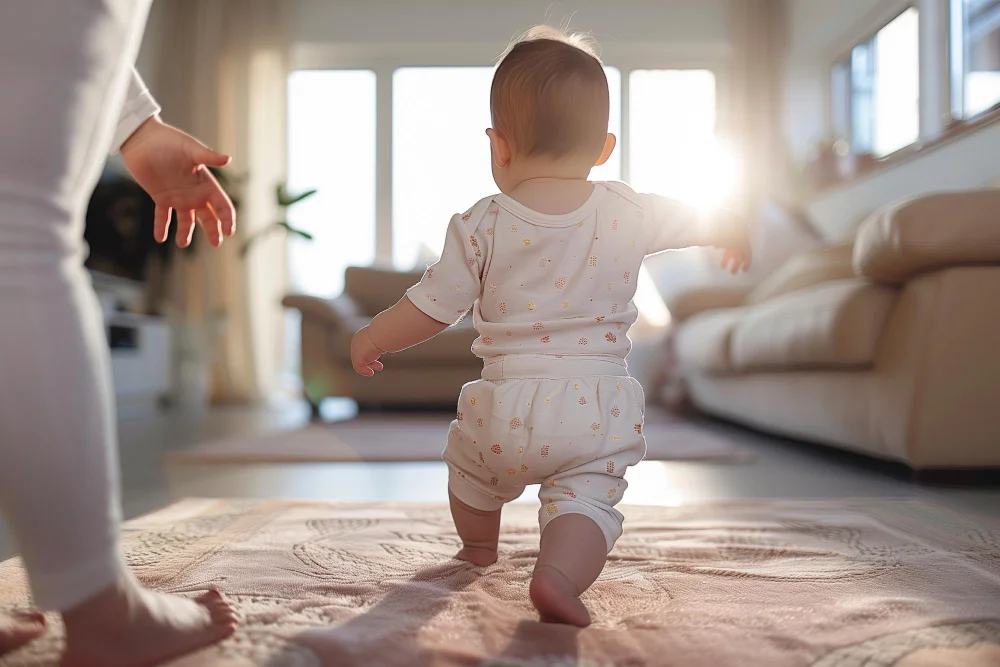
Tiptoe walking in children can be normal during the early stages of learning to walk, but if it persists for a long time, the cause should be identified and addressed appropriately to ensure it does not interfere with the child's development.
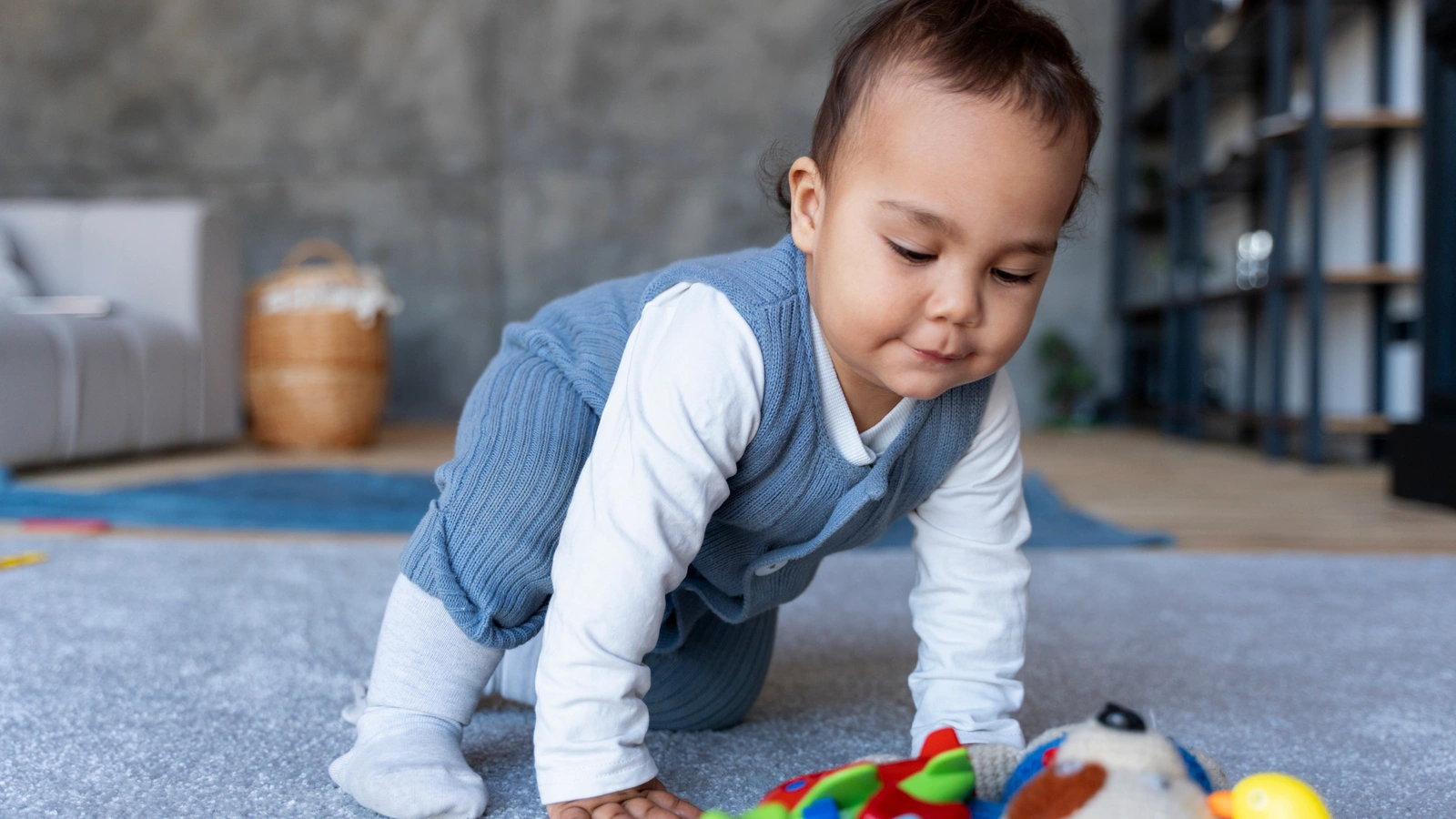
Moms, have you ever noticed your little one walking on tiptoes? This condition often worries parents, especially if it happens continuously. However, in some cases, tiptoe walking can be part of the normal growth and development process, particularly when they are just learning to walk.
However, on the other hand, this habit can also be related to certain factors that need further attention. Let's understand together the causes of tiptoe walking in children and how to handle it properly so that your little one's development remains optimal, Moms.
Is It Normal for Children to Walk on Tiptoes?
Moms, actually tiptoeing is quite common in children aged 1-2 years. At this stage, your little one is still exploring ways of walking and body balance. Usually, this habit will disappear on its own as the child ages and their muscle development and body coordination improve. However, if this walking pattern continues beyond the age of 2-3 years, Moms need to start paying more serious attention to it.
Causes of Toe Walking in Children
There are several reasons why the Little One is accustomed to tiptoe walking as published by PubMed. It is important to understand the causes so that the handling is also appropriate. PubMed. It is important to understand the causes so that the handling is also appropriate.
1. Habits while learning to walk
When first learning to walk, children often try various foot positions, including tiptoeing. This is part of the process of learning balance and coordination.
2. Leg muscles are still stiff
Some children have stiffer calf muscles or Achilles tendons, causing them to tend to walk on their toes.
3. Habits
There are also children who feel more comfortable walking on tiptoes and make it a habit, even though there are no physical problems.
4. Sensory sensitivity
Some children may feel uncomfortable if the soles of their feet touch certain surfaces, so they choose to walk on tiptoe.
5. Certain medical conditions
In rarer cases, tiptoe walking can be associated with conditions such as developmental or neurological disorders. It is usually accompanied by other signs that need attention.
When Can Tiptoeing Be a Sign of a Problem?
Moms, it's important to recognize when this habit is still considered normal and when it needs to be watched out for.
1. Occurs continuously after the age of 2-3 years
If your little one is still tiptoeing while walking at this age, there might be other factors influencing it.
2. Difficult to step with the heel
The child appears to struggle or chooses not to fully step onto the surface when asked to walk normally.
3. Accompanied by developmental delays
For example, speech delay, motor skills, or social interaction.
4. Occurs only on one foot
If only one foot is tiptoeing, this could be a sign of a problem with the muscles or nerves.
Home Treatment Methods
If this habit is still in the early stages, Moms can try some simple methods at home to help the Little One.
1. Encourage children to walk barefoot
Walking barefoot on a safe surface can help your little one become more familiar with the sensations on the soles of their feet. This method also helps them learn to step with a more correct position.
2. Light stretching exercises
Moms can help perform light stretching on the leg muscles slowly. This exercise can help the muscles become more flexible and comfortable when walking.
3. Use comfortable footwear
Choose shoes that are comfortable and can support the feet in a normal position. Avoid footwear that is too tight to ensure your child's feet can move freely.
4. Provide a correct walking example
Children tend to learn by imitating those around them. Moms can invite the little one to walk together while demonstrating the correct way to step.
When to See a Doctor?
There are several conditions where it's better for Moms to immediately consult with a doctor or medical professional.
1. Tiptoeing does not decrease over time
Note if the habit of tiptoeing does not decrease with age, especially after the child reaches the age of 3. This condition should be examined so that the cause can be more clearly identified.
2. The child appears stiff or has difficulty moving
If your little one appears stiff while walking or has difficulty moving their legs freely, Moms need to be more vigilant. This could be a sign of a muscle or nerve disorder that requires further examination.
3. Accompanied by signs of inappropriate development
Tiptoeing accompanied by motor delays or responses that differ from peers of the same age should also be noted. For example, the child has not reached certain milestones appropriate for their age stage.
4. Parents feel worried
If Moms feel there is something different about the way your little one walks, there's no harm in consulting a doctor. Early examination can help ensure the child's condition and provide appropriate treatment.
Moms, tiptoe walking in children is often a normal part of the learning-to-walk process. However, it's important to pay attention to the duration and frequency. If this habit persists for a long time or is accompanied by other signs, it is advisable to have an examination done so that your little one receives the appropriate treatment early on.

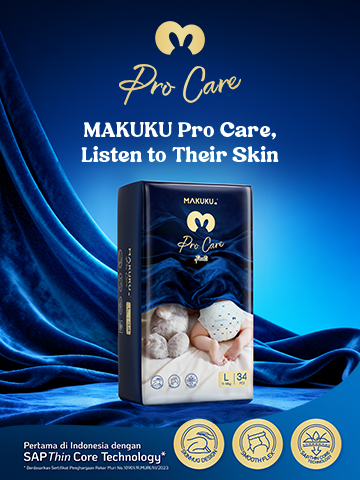
In addition, the comfort of the Little One while being active is equally important. When children move a lot, including when learning to walk, using comfortable diapers can help them explore more freely. MAKUKU Comfort Fit In addition, the comfort of your little one during activities is equally important. When children move a lot, including when learning to walk, using comfortable diapers can help them explore more freely. MAKUKU Comfort Fit has a body-hugging design that allows your little one the freedom to move without worrying about shifting. Then, the SAP Thin Core technology ensures high absorbency, keeping the baby's skin dry for longer. Let's provide the best comfort for your little one by choosing MAKUKU as Moms' daily care solution.
FAQ
1. Can tiptoeing affect the shape of a child's feet?
If it lasts a long time without treatment, it can affect posture and leg muscles.
2. Does the use of a baby walker cause a child to walk on tiptoes?
Frequent use of baby walkers can affect a child's walking pattern, including the habit of tiptoeing.
3. Do children who tiptoe need special therapy?
Depending on the cause, some cases may require physiotherapy.
4. Do active children walk on tiptoe more often?
Not always, but active children tend to explore different ways of walking more often.
5. Can baby massage help with tiptoe walking?
Baby massage can help relax muscles, but it is not the primary solution if there is a medical cause.
6. Can MAKUKU diapers be used overnight?
Certainly, Moms. With high absorbency, MAKUKU diapers help keep your baby dry for longer while sleeping.
7. Are MAKUKU diapers prone to leaking when the baby is active?
No, Moms. The technology is designed to seal the liquid securely, minimizing the risk of leaks.