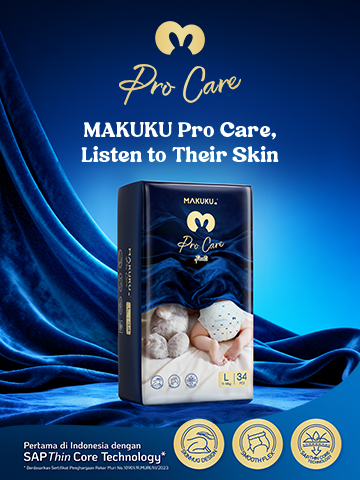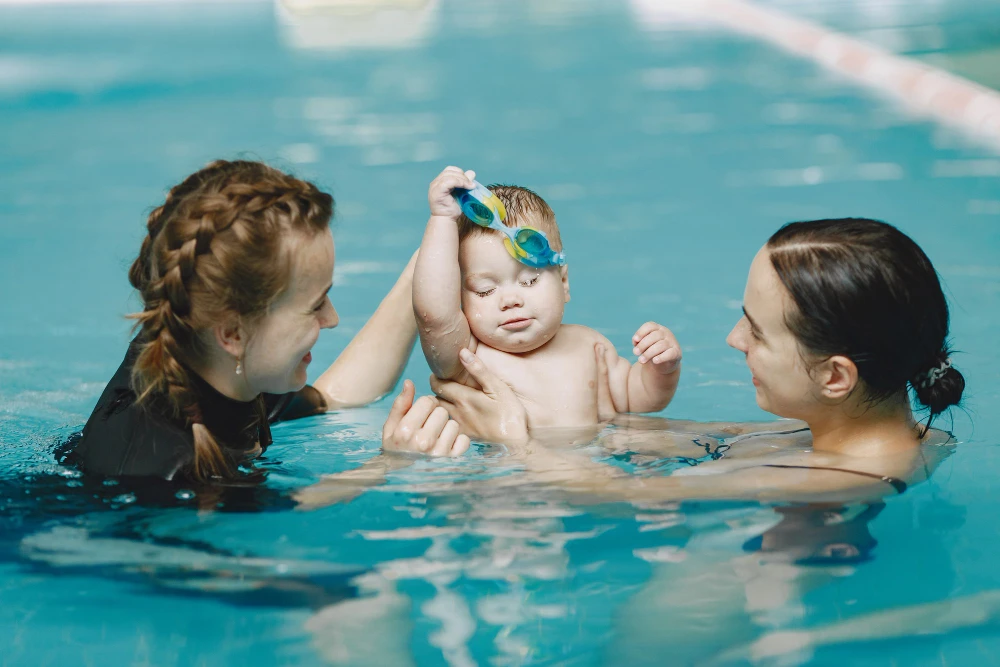
Babies can generally start swimming at the age of 6 months, as long as the water temperature is safe, the duration is not too long, and they are always under parental supervision. After swimming, keeping the baby's skin dry with a comfortable diaper like MAKUKU Comfort Fit can help prevent irritation.
Swimming often becomes an enjoyable activity for babies as well as a moment bonding Swimming often becomes an enjoyable activity for babies as well as a bonding moment between parents and the little one. However, many moms still wonder, at what age can a baby safely swim?
Indeed, introducing a baby to water cannot be done carelessly. A baby's body is still sensitive to temperature and new environments. Therefore, it is important for Moms to understand the right timing, the benefits, and safe tips when taking the baby swimming so that the little one's first experience in the water remains enjoyable.
Differences Between Swimming and Playing in Water for Babies
Before discussing the ideal age for babies to swim, Moms need to know that swimming and playing in the water are actually different. Many parents consider them the same, even though the activities and purposes of both are not exactly similar.
1. Air Conditioner
Water play is usually done with very young babies, for example during bath time or playing in a water tub. This activity is primarily aimed at familiarizing the baby with the sensation of water, such as touching, kicking, or splashing it. It is typically done for a short duration and always under parental supervision.
2. Swimming
Swimming means the baby is in the pool and begins to make more active body movements in the water, usually with the help of parents or aids such as rings or floats. This activity is not just about playing, but it can also be a physical and sensory stimulation for the little one. Since it is done in a pool, there are several safety factors to consider, such as the baby's age, water temperature, and pool cleanliness.
At What Age Can Babies Swim?
Many Moms are curious about the ideal age to introduce their baby to the swimming pool. Generally, babies can start swimming at around 6 months old. At this age, a baby's body is better able to regulate temperature compared to a newborn.
In addition, your little one's immune system is also starting to develop, making them more prepared to face new environments such as swimming pools. However, there are a few things that moms need to pay attention to before taking your little one swimming.
1. Recommended Ideal Age
Most pediatricians and health organizations recommend a minimum age of 6 months before babies start swimming in public pools. Before this age, babies are more susceptible to a drop in body temperature (hypothermia) because their bodies' ability to regulate temperature is still limited.
2. Baby's Health Condition
In addition to age, the health condition of the Little One also needs to be considered. If the baby is born prematurely or has certain health conditions, it is advisable for Moms to consult with a pediatrician before taking the baby swimming.
3. Types of Pools Used
If you want to introduce water earlier, Moms can start with a special baby pool or baby spa that has warm water temperatures and better-maintained cleanliness standards. Public swimming pools usually contain chlorine, which can make a baby's skin more sensitive if used too early.
Benefits of Swimming for Babies
Besides being enjoyable, swimming also has various benefits for a baby's development. This activity involves a lot of body movement as well as sensory stimulation that is good for the little one.
1. Training Muscle Strength
When in the water, babies will actively move their hands and feet. This movement helps train the baby's body muscles, including the arm, leg, and back muscles. This activity can also gradually support the child's motor development.
2. Improving Body Coordination
Swimming helps babies learn to coordinate their body movements. Kicking, paddling their hands, and maintaining balance in the water can aid in the development of body coordination from an early age.
3. Supporting Sensory Development
Water provides a different sensation for babies, from temperature, water pressure, to body movements within it. This experience can help stimulate sensory development and boost the baby's confidence in new environments.
7. Strengthening Bonding with Moms
When swimming, Moms usually hold or accompany the Little One directly. This interaction can be a fun bonding moment, while also making the baby feel safer in the water.
Safe Tips for Taking Babies Swimming
To ensure a safe and comfortable swimming experience, there are several important things that Moms need to pay attention to before taking the Little One to the swimming pool.
1. Pay Attention to Water Temperature
The pool water temperature should not be too cold. Ideally, the water temperature for babies should be in the range of 32-34℃ to keep the little one's body warm and not easily get cold.
2. Limit Swimming Duration
Bayi tidak perlu berenang terlalu lama. Untuk sesi pertama, Moms bisa membatasi durasi sekitar 10-15 menit. Jika Si Kecil terlihat nyaman, durasi bisa ditambah secara bertahap.
According to recommendations from American Red Cross According to recommendations from the American Red Cross, infants and young children should always be under parental supervision when in the water, and swimming activities need to be adjusted to their physical condition to remain safe and enjoyable.
3. Use Special Baby Floats
Special baby floats can help maintain your little one's body position in the water. However, Moms still need to hold or stay very close to the baby because the float does not completely replace parental supervision.
4. Choose a Clean Pool
The cleanliness of the pool is very important for maintaining the baby's health. Ensure the pool has a good filtration system, the water looks clear, and it is not too crowded.
Signs a Baby is Cold or Uncomfortable in Water
Although swimming is fun, there are times when babies feel uncomfortable in the water. Moms need to recognize the signs so they can quickly lift the Little One out of the pool.
1. Body Shivering
If the baby's body starts to shiver, this could be a sign that their body temperature is beginning to drop. Immediately lift the baby out of the water and wrap them in a warm towel.
2. Blue Lips or Skin
Changes in the color of a baby's lips or skin can indicate that the little one is too cold. This condition needs to be addressed immediately by warming the baby's body.
3. Baby Crying or Fussy
Crying can also be a signal that the baby feels uncomfortable, hungry, or tired while in the pool. If this happens, it is advisable to stop swimming activities and give the little one time to rest.
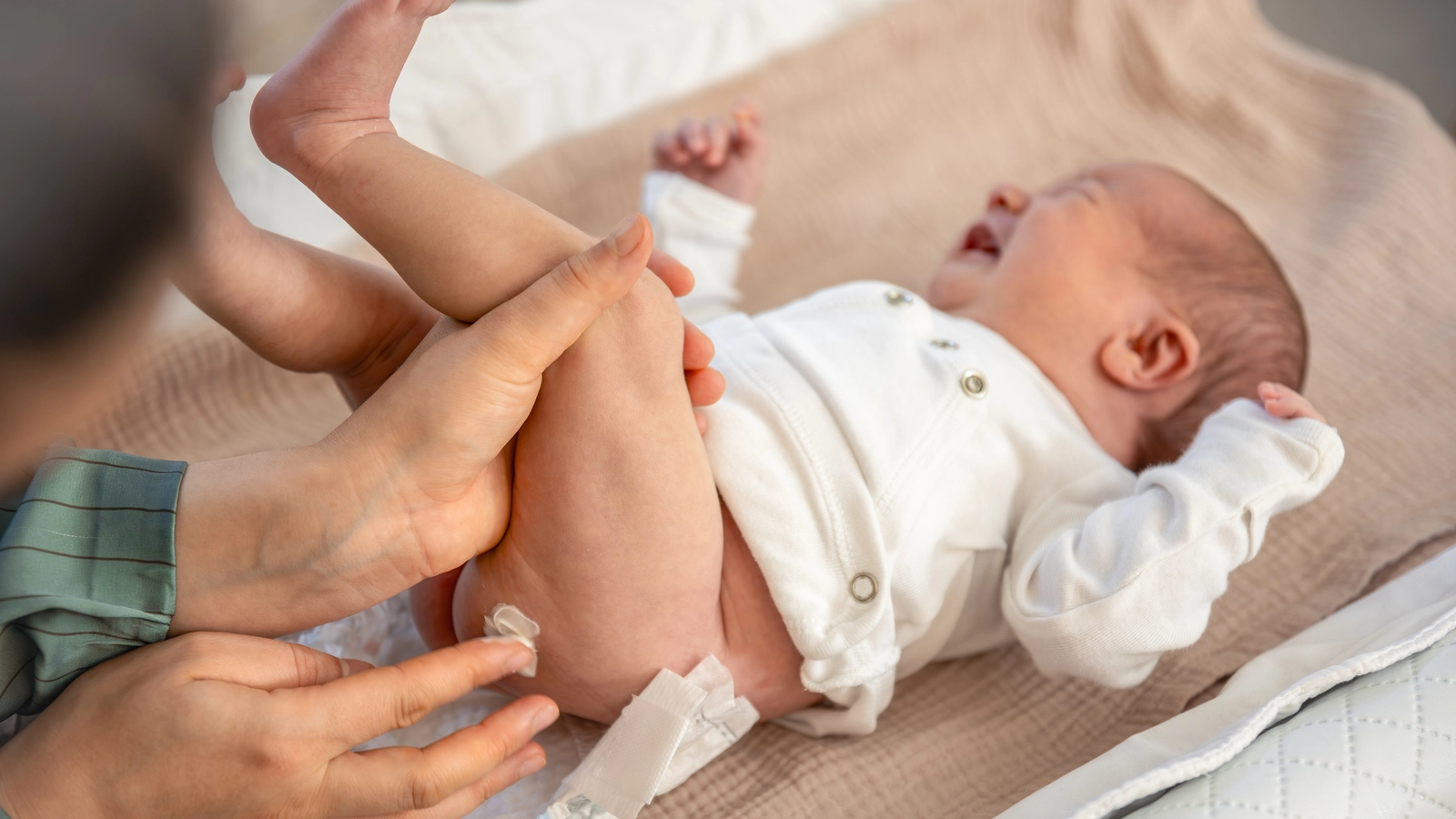
Babies can generally start swimming from around 6 months of age with proper supervision and conditions to ensure they remain safe and comfortable. After swimming activities, maintaining the comfort of the Little One's skin is also important to keep it dry and prevent irritation.

To support this, diapers MAKUKU Comfort Fit To support this, MAKUKU Comfort Fit diapers come with SAP Thin Core technology that has high absorbency and keeps the baby's skin dry for longer. With a Comfort Fit design that fits the body, these diapers provide freedom of movement without worrying about shifting, allowing your little one to move freely and comfortably all day long.