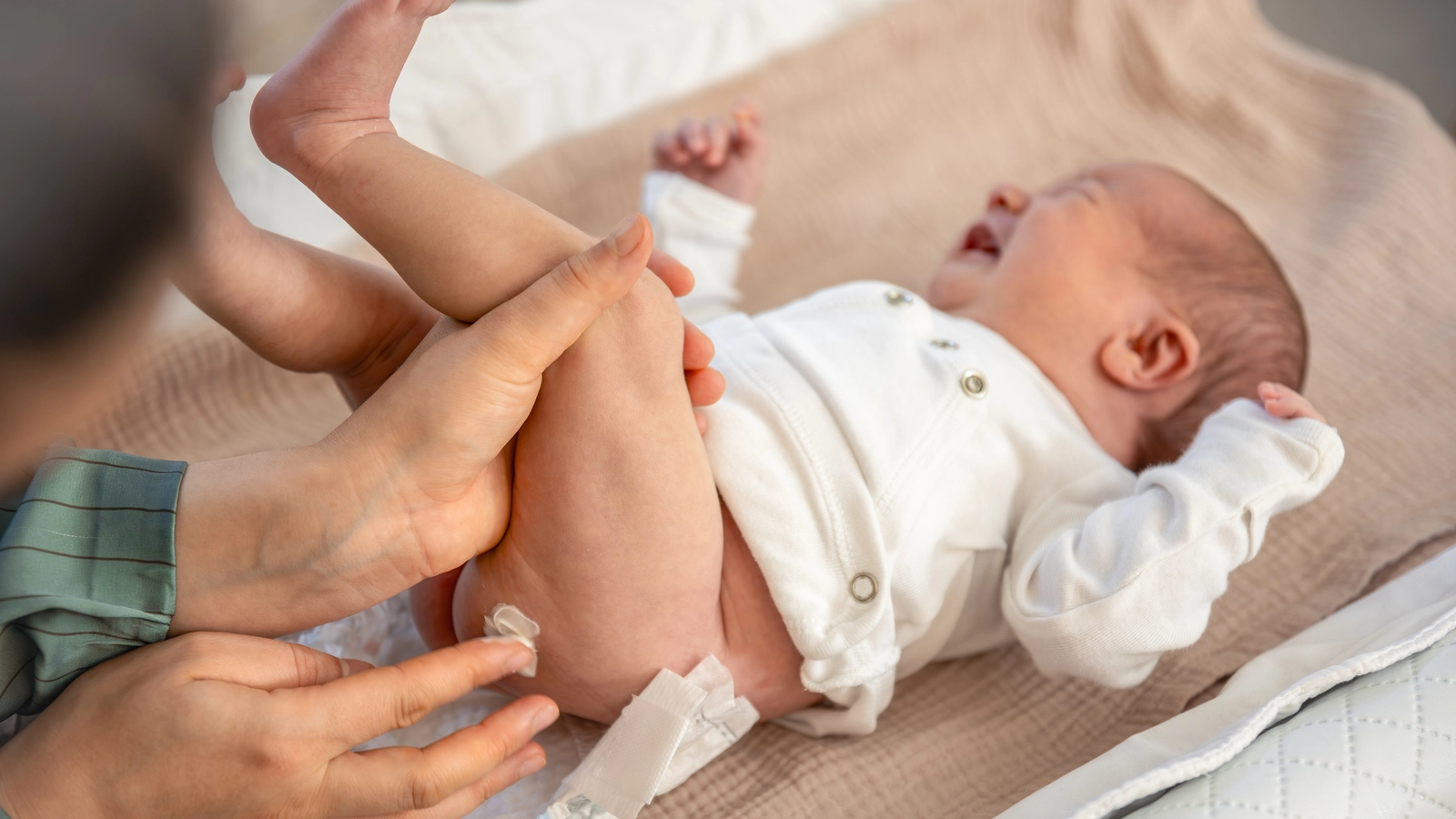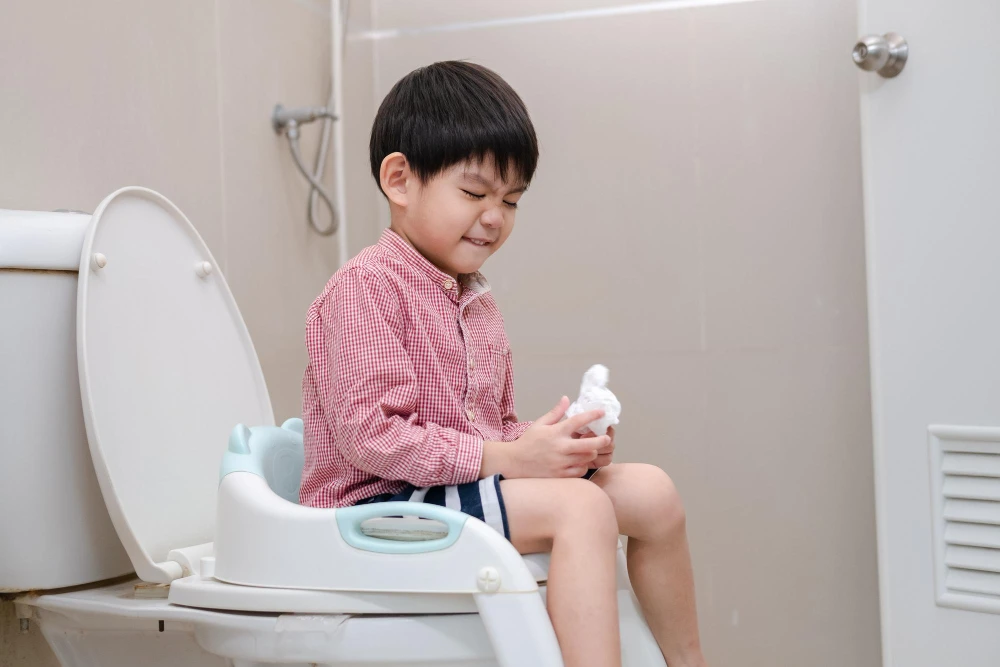
Green baby poop is generally normal and can be caused by various factors such as diet, an immature digestive system, or the intake of certain substances. However, Moms should remain vigilant if accompanied by other symptoms.
Moms, have you ever been surprised to see your little one's poop suddenly change color to green? Usually, it's yellow or brown. This condition can indeed be worrying, especially if it happens suddenly without any clear change in diet.
Calm down, Moms. In many cases, green baby poop is actually still considered normal. However, it's still important to know what causes it and when this condition needs further attention to ensure your little one's health is maintained.
Green Puppy, Normal or Dangerous?
Moms, the color of a baby's poop can indeed vary, especially up to the age of 1 year. This happens because the Little One's digestive system is still developing. In general, green baby poop is still considered normal, as long as the Little One remains active and shows no signs of dehydration.
However, green-colored poop can be a specific sign if accompanied by other symptoms, such as diarrhea, excess mucus, or a very strong odor. Therefore, it's important to keep an eye on the overall condition of your little one, Moms.
The Most Common Causes of Green Baby Poop
There are several factors that can cause a baby's stool to turn green, as quoted from Mayo Clinic. Here is the most common explanation: Mayo Clinic. Here is the most common explanation:
1. More Foremilk Intake
Breast milk consists of foremilk (thin) and hindmilk (thicker). If the little one consumes more foremilk, the stool may appear greenish due to the high lactose content.
2. Formula Milk Consumption
Some types of formula milk contain quite high levels of iron, which can cause stool to turn green. This is usually not harmful, Moms.
3. Complementary Foods for Breastfeeding (MPASI)
If your little one has started solid foods, green vegetables like spinach or broccoli can cause their stool to turn green.
4. An Immature Digestive System
A baby's digestion is still developing, so the nutrient absorption process is not yet optimal. This can affect the color of the stool.
5. Mild Infection or Digestive Disorder
In some cases, green poop can occur due to a mild infection or changes in bacteria in the intestines, especially if accompanied by diarrhea.
How to Deal with Green Baby Poop
Moms do not need to panic, as most of these conditions can be managed with simple methods.
1. Pay Attention to Breastfeeding Patterns
Ensure your little one gets enough hindmilk by nursing longer on one side before switching.
2. Evaluation of Food Intake
If your little one is already on complementary feeding, try to pay attention to the food consumed. Temporarily reduce foods that can trigger changes in stool color.
3. Ensure Adequate Fluid Intake
Adequate fluids help the digestive system work more optimally and prevent disorders such as diarrhea.
Warning Signs and When to See a Doctor
Although often normal, Moms still need to be cautious if green poop is accompanied by the following signs:
1. Prolonged Diarrhea
If liquid stools occur continuously and the frequency increases, Moms need to be more vigilant. This condition could be a sign of an infection or digestive disorder in the Little One.
2. There is Mucus or Blood
The presence of mucus or blood in the stool should not be ignored. This could indicate a more serious digestive disorder and needs to be checked by a doctor.
3. The Little One Appears Weak or Fussy
Pay attention if your little one appears more lethargic, fussy, or not like usual. These behavioral changes could be signs that they are feeling uncomfortable or unwell.
4. Fever or Vomiting
If watery stools are accompanied by other symptoms such as fever or vomiting, it is advisable to consult a doctor immediately. Quicker treatment can help prevent the condition from worsening.
How to Prevent Baby Poop from Being Green
A few simple steps can help maintain your little one's digestive health:
1. Provide Optimal Breastfeeding
Breast milk is the best nutrition for babies, especially in the early stages of their growth and development. Its contents help maintain the balance of the baby's digestive system.
2. Introduce Complementary Foods Gradually
When entering the age of complementary feeding, introduce new foods one by one gradually. This method makes it easier for Moms to monitor the body's and the little one's digestive reactions.
3. Maintain Cleanliness and Hygiene
Ensure that the baby bottle, hands, and the area around the baby are always kept clean. Maintaining cleanliness is crucial to help prevent infections.
Conclusion
Moms, green baby poop is basically quite common and often not harmful. This change can be influenced by many factors, ranging from diet to the development of the Little One's digestive system. Most importantly, Moms should continue to monitor the overall condition of the Little One, including behavior, frequency of bowel movements, and the presence of other accompanying symptoms.
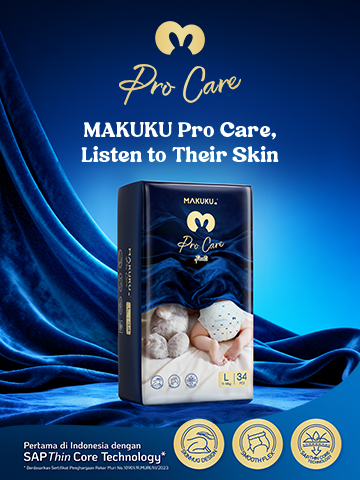
When your little one poops more frequently, choosing the right diaper becomes very important. MAKUKU Pro CareWhen your little one poops more frequently, choosing the right diaper becomes very important. MAKUKU Pro Care, a premium diaper with various advantages, can be an option. MAKUKU Pro Care is equipped with SAP Thin Core Technology, 4 Liquid Locking Layers, 3D Surface, and Air Cavity Surface that have high absorbency and keep your little one's skin dry and comfortable.
FAQ
1. Can green baby poop occur in newborns?
Yes. Newborn babies can have green-colored poop as part of the process of expelling meconium or transitioning to breast milk.
2. Is green poop related to milk allergy?
In some cases, green poop can be a sign of an allergy, especially if accompanied by a rash or vomiting.
3. How long is green baby poop considered normal?
As long as it is not accompanied by other symptoms, green stool can last for several days and is still considered normal.
4. Is the change in stool color influenced by the medication consumed by the baby?
Yes. Some medications or supplements can affect the color of a baby's stool.
5. Can green poop cause diaper rash more frequently?
It can, especially if the texture is more liquid, making the baby's skin more prone to moisture and irritation.
6. Does MAKUKU have a special variant for newborns?
Yes. MAKUKU offers a special variant for newborns with a softer and safer design.
7. Does the MAKUKU diaper help prevent diaper rash?
By keeping the diaper area dry, MAKUKU can help reduce the risk of rashes on the baby's skin.