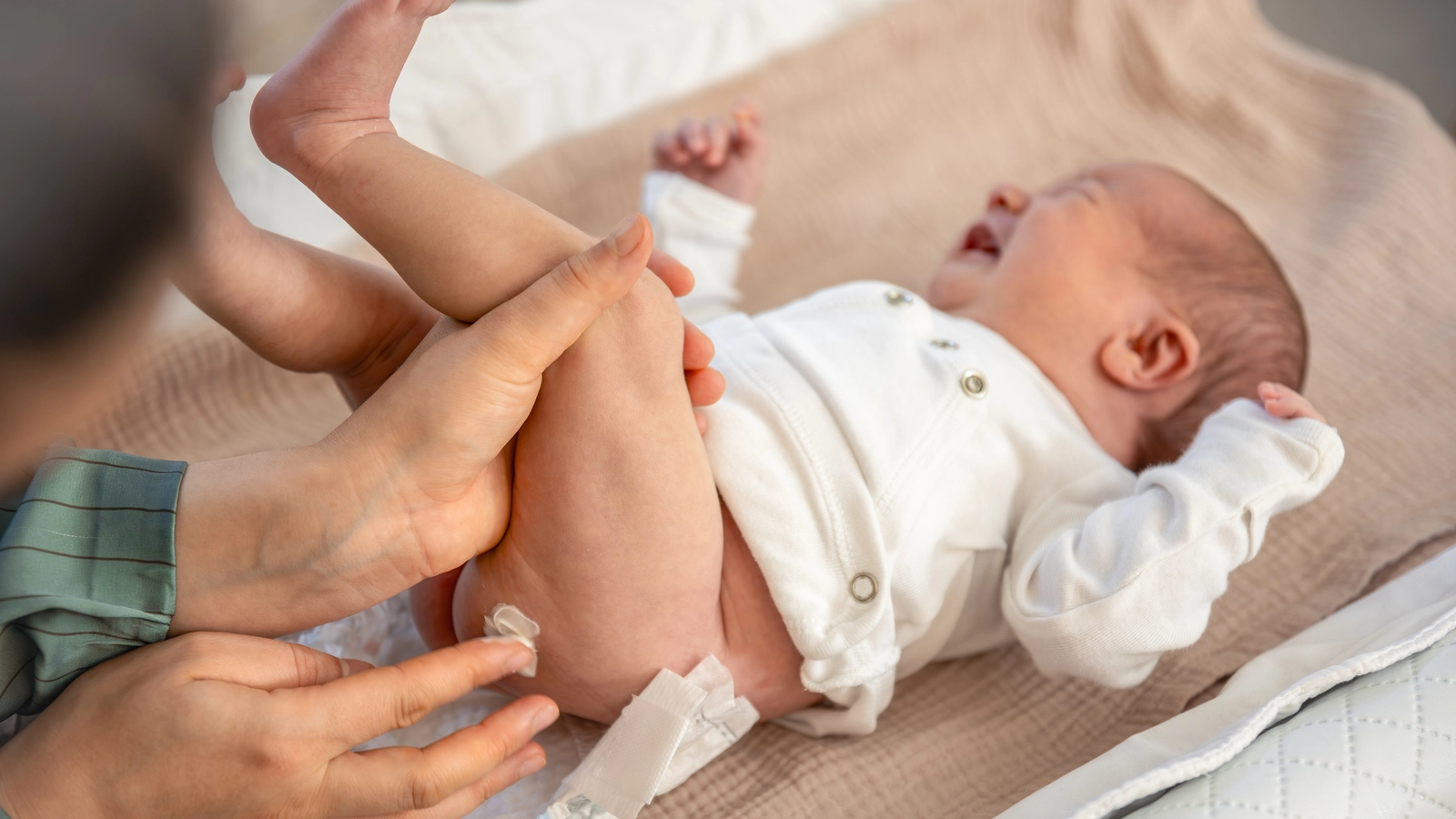
Baby walking aids can help train balance and leg strength, as long as they are chosen safely and used under Moms' supervision. To make your little one more comfortable while actively moving, MAKUKU Comfort Fit comes with a thin design and SAP Thin Core technology that absorbs well and keeps the surface dry, allowing the baby to move more freely without worrying about dampness or irritation.
Learning to walk is one of the important moments in a child's development. Usually, at a certain age, babies begin to show a desire to stand, cruise, and even try to take steps on their own. During this phase, some parents start considering the use of baby walking aids to assist with the process.
However, Moms need to know that not all walking aids are safe to use. Some are even not recommended by pediatricians. Therefore, it is important to understand the right type of walking aid, its benefits, and tips for choosing a safe one before giving it to your little one.
What Is a Baby Walker?
A baby walker is equipment designed to support babies as they begin to learn to stand, maintain balance, and take steps. This tool is usually used during the phase when babies start showing interest in moving more actively.
Even so, this tool is not actually a necessity in the process of learning to walk. Many babies can still learn to walk without the help of special tools. The main function of this tool is to provide additional stimulation and help babies practice body coordination while moving. If used in the right and safe way, a walking aid can be a medium for play as well as motor skills training for the little one.
When Can Babies Use Walking Aids?
Every baby has different development. However, in general, babies begin to show readiness to learn to walk at around 9 to 12 months of age. Before using a walking aid, Moms can observe the following signs:
The Little One can already sit steadily without assistance
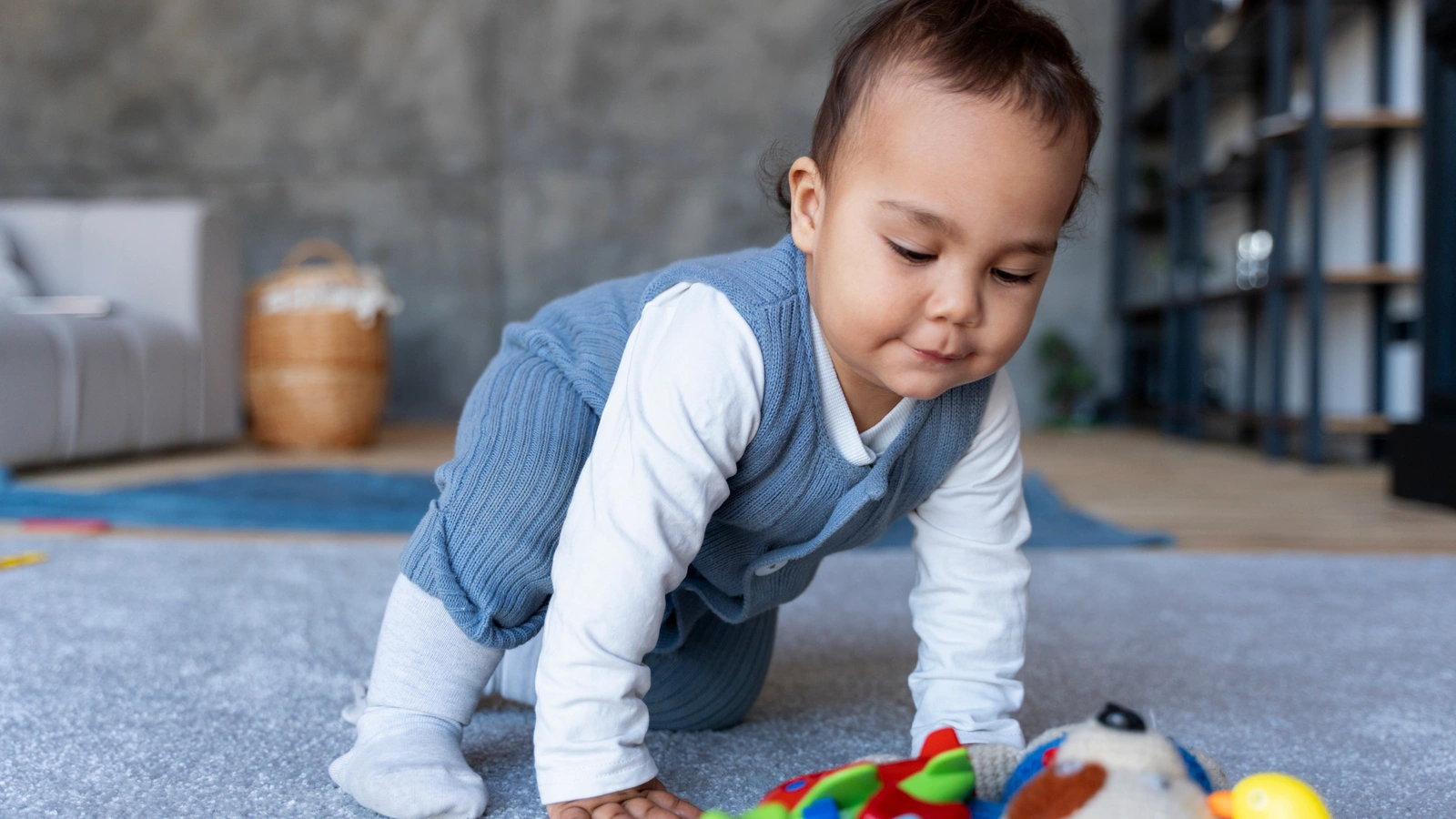
Start crawling or cruising on furniture
Often trying to pull the body to stand
If these signs are already visible, the baby is usually ready to try walking aids like a push walker. However, it's important to remember that the use of this tool should not be too prolonged.
Babies still need the opportunity to move freely on the floor, as activities like crawling and standing on their own are crucial for the development of their muscles and body coordination.
Types of Baby Walking Learning Tools
There are several types of baby walking aids commonly used. Each type has different functions and levels of safety.
1. Push Walker
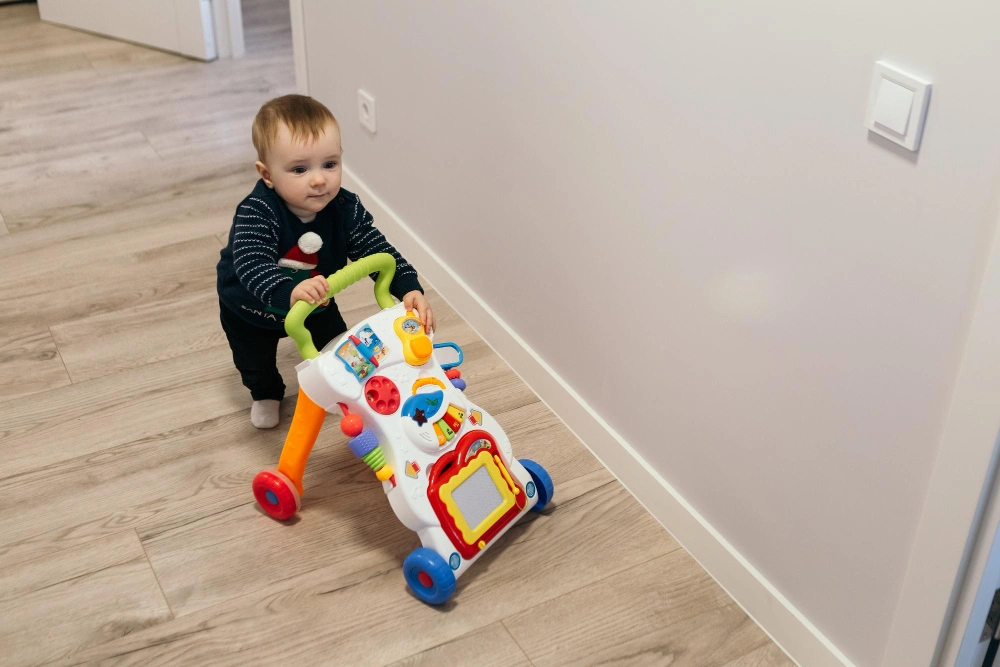
A push walker is a small trolley-shaped tool that a baby pushes from behind. As the little one pushes it, they will learn to maintain balance while stepping. This type is among the most recommended because the baby continues to use their own leg and body strength while walking. Additionally, a push walker also helps train coordination between the hands and feet.
2. Activity Table
Activity tables are usually play tables with various buttons, sounds, and educational toys. Some models come with a standing mode or walker mode. Their function is not only to help babies stand but also to provide sensory and motor stimulation through interactive play.
3. Standing Activity Center
Standing activity centers allow babies to stand while playing in one place. They are usually equipped with various toys around them. Although not used for direct walking, this tool can help babies train leg strength and balance before actually learning to step.
4. Baby Walker
A baby walker is a chair-shaped device with wheels that allows a baby to move around by sitting in it. However, many child health organizations do not recommend the use of baby walkers. According to the Children’s Hospital of Philadelphia, this device does not help babies walk faster and can even delay the natural development of standing and walking abilities. Children’s Hospital of Philadelphia, alat ini tidak membantu bayi berjalan lebih cepat dan bahkan dapat menunda perkembangan kemampuan berdiri maupun berjalan secara alami.
In addition, baby walkers also pose a risk of accidents if the baby moves too quickly or reaches dangerous areas in the house. Therefore, many pediatricians recommend safer alternatives such as push walkers or activity tables that still help strengthen the child's legs.
Benefits of Baby Walking Learning Tools
If used correctly and under parental supervision, baby walking aids can provide several benefits for your little one's development.
1. Training Balance
When a baby stands and tries to take steps with the help of a tool, they learn to control their body position to avoid falling. This helps in the development of balance.
2. Strengthening Leg Muscles
Learning to stand and take steps will help strengthen a baby's leg and hip muscles. Strong muscles will facilitate the process of walking independently later on.
3. Boosting Baby's Confidence
When the Little One successfully stands or pushes the walker, they will feel more confident to try moving further.
4. Becoming a Stimulative Play Media
Many walking learning tools are equipped with educational game features such as music, colors, and shapes. This can help stimulate the sensory and cognitive development of babies.
Tips for Choosing Safe Baby Walking Learning Tools
Because it relates to the safety of the baby, choosing a walking aid should not be done carelessly. Moms can consider the following factors.
1. Choose a Stable Model
Ensure the tool has a wide and stable base so it doesn't easily tip over when pushed by a baby.
2. Pay Attention to Security Standards
Choose products that have safety certification and use materials that are not harmful to babies.
3. Adjust According to Baby's Age
Pay attention to the age recommendations on the product. A tool that is too large or too small can make the baby uncomfortable or difficult to use.
4. Always Use with Supervision
Even when using aids, the Little One still needs parental supervision while playing or learning to walk to prevent the risk of injury.
Baby walking aids can help train balance, leg strength, and confidence in your little one as they start learning to walk, provided they are used according to their age and developmental stage. Moms are advised to choose safe tools like push walkers and avoid risky baby walkers, while also ensuring the baby's comfort in movement is maintained.