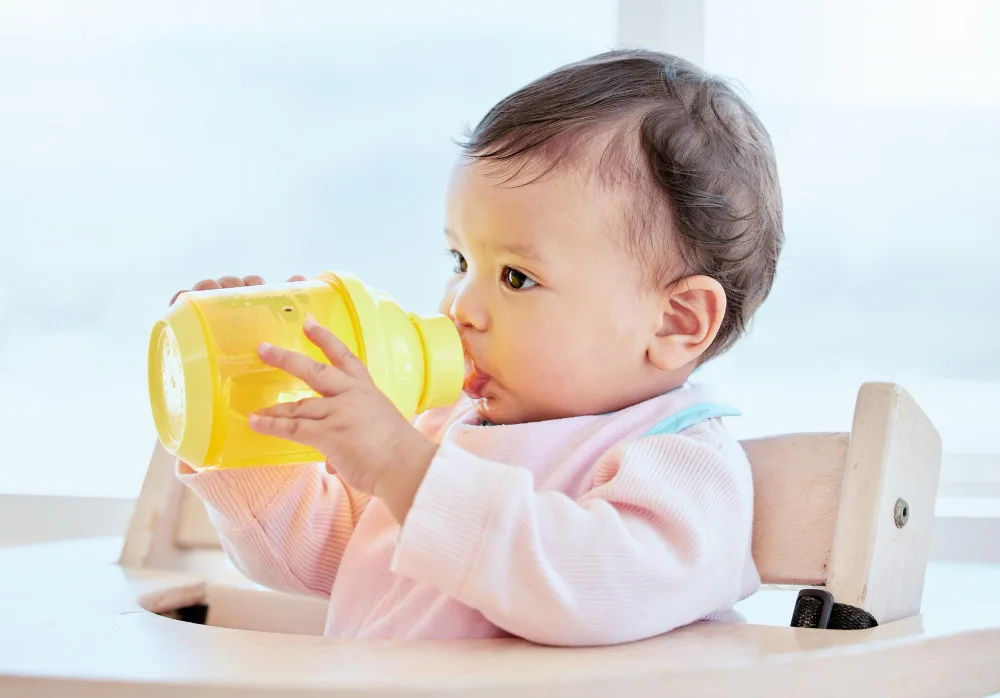
Some signs of baby dehydration include reduced urination, dry mouth, and a sunken fontanelle. Understand these signs to address them quickly and maintain your little one's comfort with the use of diapers that stay dry, such as MAKUKU Skin Health.
Moms, a baby's body is mostly composed of fluids, so even a slight fluid deficiency can immediately affect their condition. Unfortunately, signs of dehydration in babies are often unnoticed because they appear very similar to normal conditions.
In fact, if not addressed promptly, dehydration can seriously affect your little one's health. Let's recognize the signs of dehydration in babies early so that Moms can act more quickly and accurately!
What is Dehydration in Babies and Why is it Dangerous?
Dehydration is a condition when the body loses more fluid than it takes in. In infants, this condition can occur more quickly than in adults because their fluid reserves are still limited.
If not addressed promptly, dehydration can disrupt organ function, blood circulation, and even lead to more serious conditions in your little one. That's why it's very important for moms to understand the signs and causes of dehydration in babies early on.
Signs of Baby Dehydration to Watch Out For
Moms, signs of dehydration in babies can appear in various forms. Some are obvious, but there are also halus ones that are often overlooked. halus and often overlooked.
1. Decreased Urination Frequency
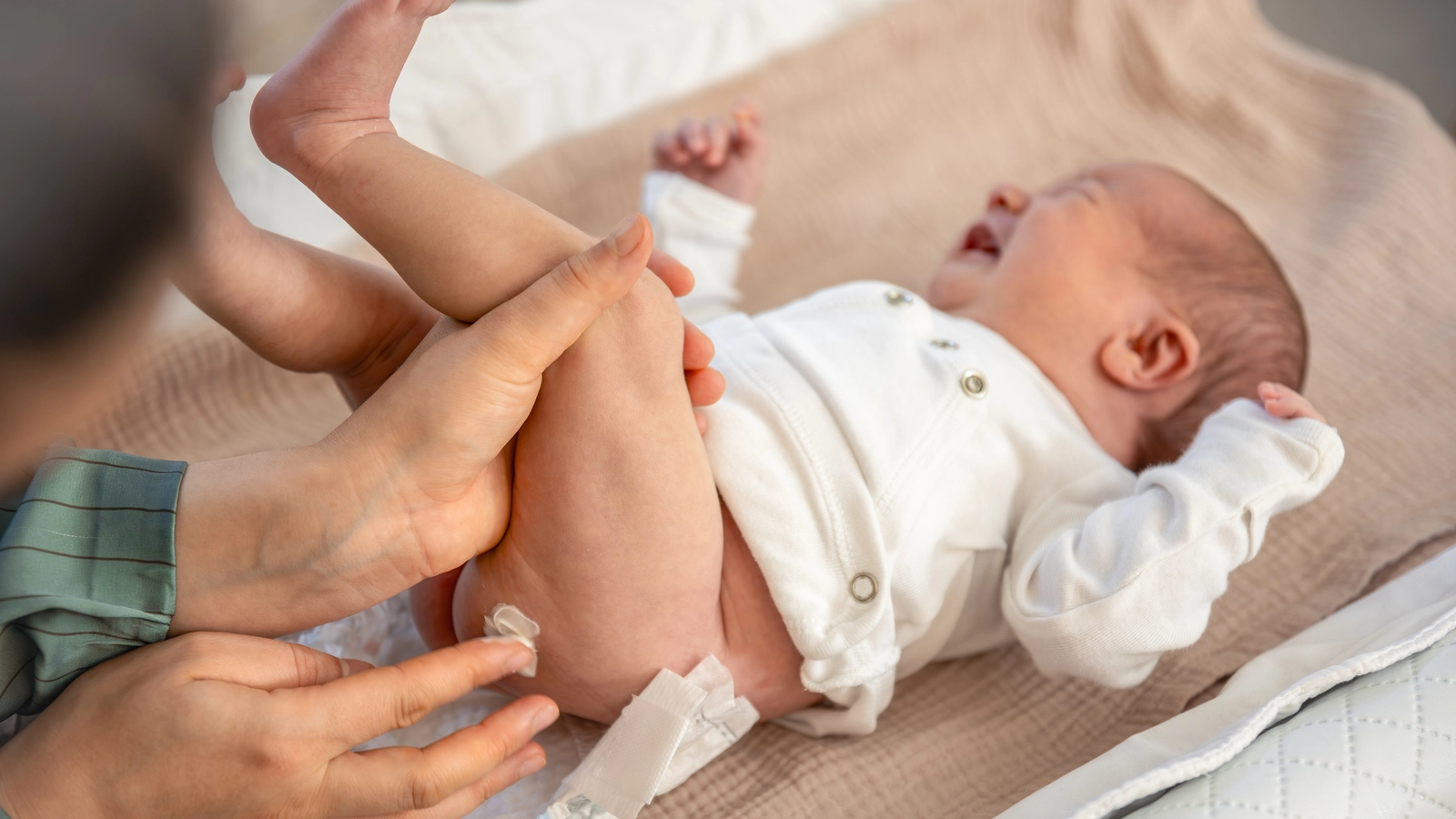
Normally, babies will urinate frequently throughout the day. If your little one's diaper is rarely wet or feels lighter than usual, this could be an early sign of dehydration.
2. Mouth and Lips Appear Dry
Pay attention to your Little One's mouth area. If the lips appear chapped or the mouth looks dry, this could indicate that their body is lacking fluids.
3. Little or No Tears
When a baby cries but does not produce tears, Moms need to be alert. This is one of the quite common signs of dehydration.
4. Sunken Fontanelle
A baby's fontanelle that appears slightly sunken can be a sign that their body is dehydrated.
5. Baby More Lethargic or Fussy
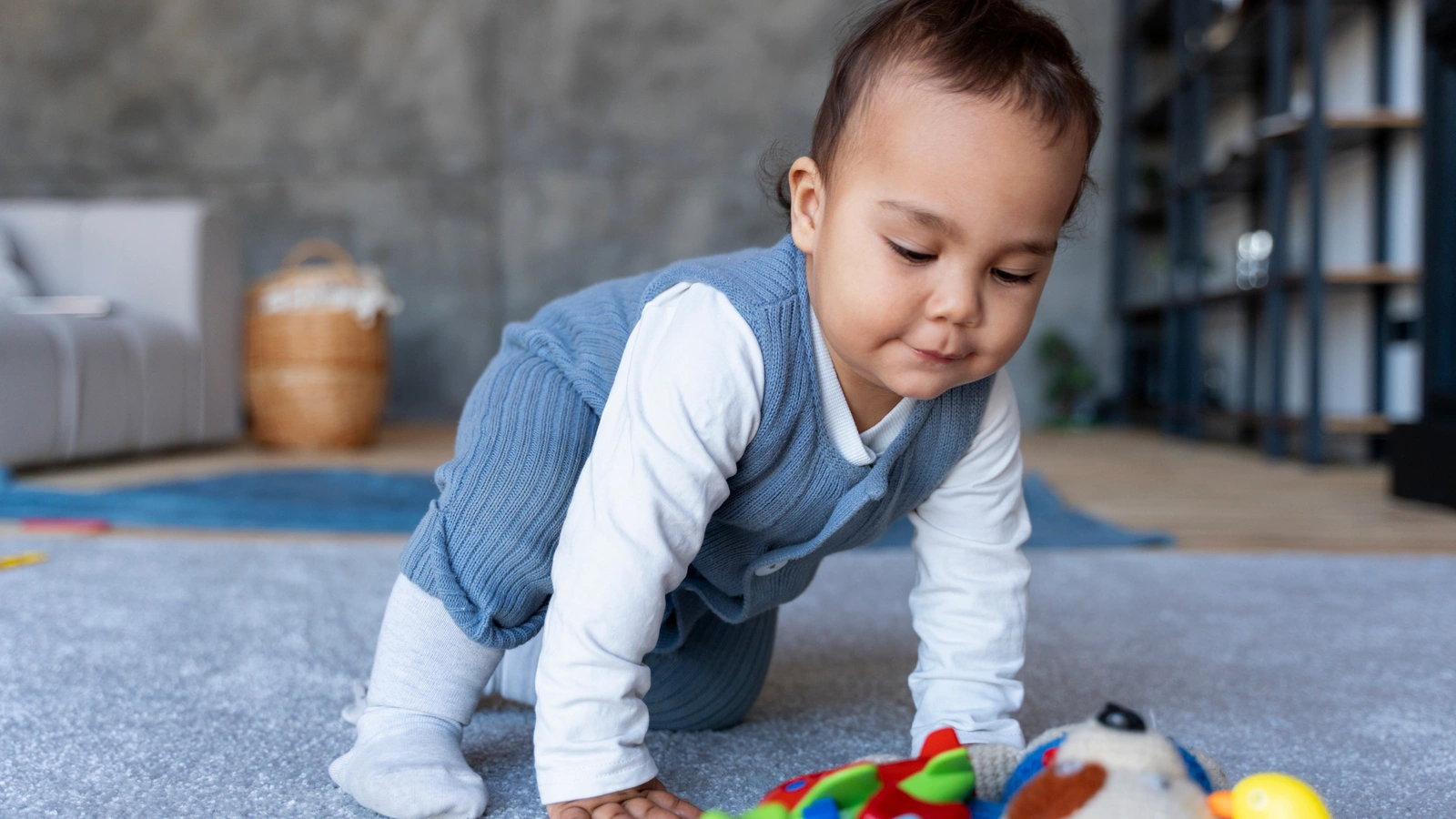
Behavioral changes such as increased lethargy, drowsiness, or even being fussier than usual can also be signs of dehydration.
Causes of Dehydration in Babies
Dehydration in infants usually occurs due to certain conditions that cause a reduction in their body fluids.
1. Insufficient Fluid Intake
Babies who do not receive enough breast milk or formula are at risk of dehydration, especially in hot weather.
2. Diarrhea or Vomiting
When a baby experiences diarrhea or vomiting, body fluids can be lost quickly, increasing the risk of dehydration.
3. Fever
Fever causes a baby's body to lose more fluids through sweat. This condition can also make the little one less inclined to drink, increasing the risk of dehydration.
4. Hot Weather
A hot environment can make babies sweat more easily and lose fluids. Especially if the little one is in a room without good air circulation for too long.
How to Handle Dehydration in Babies at Home
If Moms start noticing early signs of dehydration in the Little One, there are several steps that can be taken at home.
1. Give Breast Milk or Formula More Frequently
Increase the frequency of breastfeeding to help replace lost fluids. Ensure the little one feeds adequately, even in small portions but more frequently.
2. Provide Rehydration Solution (If Recommended by Doctor)
In certain conditions, doctors may recommend special oral rehydration solutions for infants to help replace fluids and electrolytes.
3. Monitor Baby's Condition
Observe whether the child's condition improves, especially in terms of urination frequency and activity level.
4. See a Doctor Immediately If Symptoms Worsen
If the baby appears very weak, refuses to drink, or the signs of dehydration worsen, immediately take them to a healthcare facility.
How to Prevent Dehydration in Babies
Preventing a cough is certainly better than treating it, right Moms? These simple steps can help keep your little one healthy and free from coughs.
1. Ensure Adequate Fluid Intake
Provide breast milk or formula as needed by the baby, especially during hot weather or when the baby is not feeling well. Moms can also offer milk more frequently even if the little one does not appear thirsty.
2. Pay Attention to the Initial Sign
Don't wait until it gets worse. As soon as you notice early signs like reduced urination, take action immediately. The sooner it's recognized, the easier it is to handle.
3. Maintain Environmental Temperature
Ensure the baby does not overheat by maintaining good air circulation. Also, avoid direct exposure to sunlight for extended periods to prevent the little one's body from losing fluids quickly.
4. Regularly Check Diapers
Diapers can be a "quick indicator" of a baby's hydration condition. By checking regularly, Moms can more quickly notice any changes. From this, Moms can determine whether the frequency of the Little One's urination is still normal or not.
Signs of baby dehydration such as reduced urination, dry mouth, and sunken fontanelle may seem simple, but they can have a significant impact if not addressed promptly. By recognizing the symptoms early and understanding the causes, Moms can take quick steps to maintain the health and comfort of the Little One.

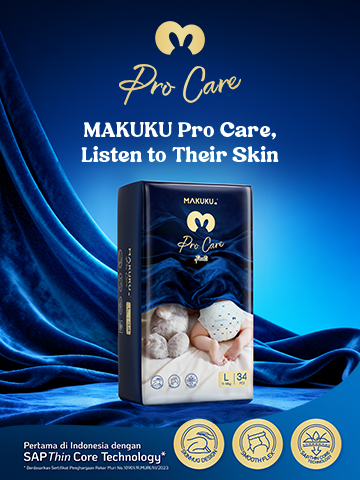
One of them is by choosing MAKUKU Skin Health Makuku Skin Health is a diaper pants specifically designed to absorb moisture and reduce discomfort from wetness on a baby's skin. With adaptive raised cushions, it reduces contact with the skin by up to 50%. Suitable for keeping your little one comfortable for up to 12 hours. Proven to be irritation-free, it has undergone rigorous dermatological testing in Germany by Dermatest GmbH, an independent institution with international standards.
Come on, Moms, provide the best care for your Little One by choosing MAKUKU Skin Health to keep your Little One comfortable all day long.