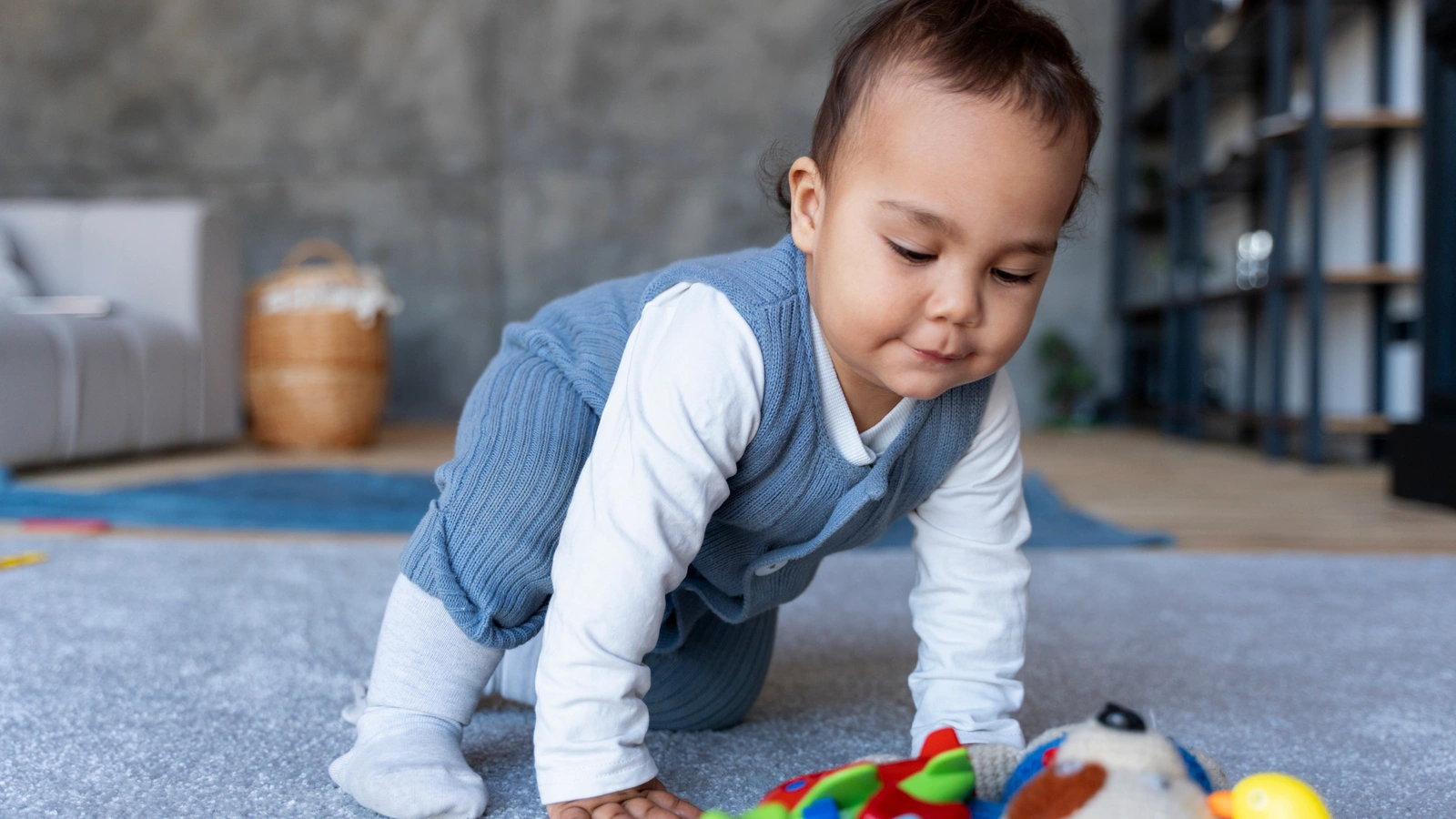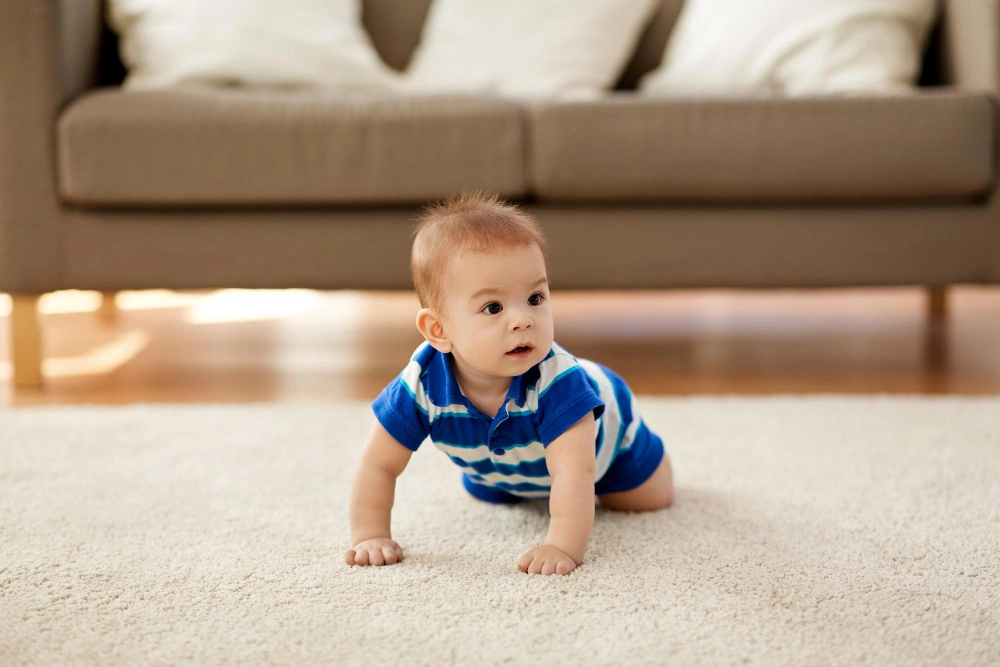
Babies usually start crawling at the age of 6–10 months and can be stimulated through tummy time and a safe space to move to boost their confidence in moving. To support this activity, MAKUKU Comfort Fit helps keep your little one comfortable with its thin design and high absorbency, allowing them to move freely without feeling damp.
Seeing your little one start to move actively is certainly a joyful moment for Moms. One of the developmental stages often anticipated is when the baby begins to crawl. In this phase, the little one starts to explore the surrounding environment more independently.
However, many parents wonder, at what age can a baby crawl? Do all babies crawl at the same time? In fact, every baby has different development. Therefore, it is important for Moms to understand the stages of development, signs of readiness, and ways to stimulate the baby to be more prepared to crawl.
At What Age Can Babies Crawl
Babies generally start crawling at the age of 6 to 10 months. However, this time range can vary for each child. Some babies begin crawling at 6 months, while others only start doing so closer to 9 or 10 months.
According to the summary of child development milestones from The Warren Center According to the child development milestone summary from The Warren Center, motor skills such as sitting, crawling, and standing typically develop gradually between the ages of 6 to 9 months. However, each baby may have a different developmental timeline.
If your little one hasn't started crawling at a certain age, moms don't need to worry immediately. Some babies even skip the crawling phase and go straight to learning to stand or walk.
Stages of Development Before a Baby Crawls
Before the little one can truly crawl, there are several developmental stages that usually occur first. These stages help strengthen the baby's muscles and body coordination.
1. Lifting the Head
At around 2-3 months of age, babies begin to learn to lift their heads while on their stomachs. This movement helps strengthen the neck and shoulder muscles, which are later important for crawling.
2. Rolling
Around the age of 4-6 months, many babies begin to roll over from a supine position to a prone position or vice versa. This activity helps improve body coordination and core muscle strength.
3. Sit Without Assistance
At around 6 months of age, some babies begin to be able to sit without assistance. This ability indicates that the baby's back and abdominal muscles are getting stronger.
4. Lifting the Body with Hands
Before crawling, babies usually start to lift their bodies with both hands while on their stomachs. This movement trains the strength of the arms and shoulders, which is very important for the crawling process.
Signs a Baby Will Crawl
When your little one starts showing some of the following signs, they are usually getting closer to the crawling phase.
1. Often Prone and Moving
Babies who are ready to crawl are usually more often in a prone position. They may start trying to push their bodies with their hands and feet.
2. Swinging the Body
Some babies appear to rock their bodies back and forth while in a crawling position. This is actually an exercise to find balance before truly moving forward.
3. Pulling the Body Forward
There are also babies who start trying to drag their bodies forward using their hands. This is often referred to as commando crawling or crawling with the stomach touching the floor.
4. Interested in Reaching Objects
When a baby becomes interested in reaching for a toy that is a bit far away, they will try to move closer to it. This curiosity often becomes the main motivation for a baby to start crawling.
Baby Crawling Style
Interestingly, not all babies crawl in the same way. Some of the following crawling styles are quite common.
1. Classic Crawling
This is the most commonly seen crawling style, where the hands and knees support the body, then move forward alternately.
2. Commando Crawling
In this style, the baby moves with the stomach remaining in contact with the floor while pulling the body using the arms.
3. Crawling Backward
Some babies actually move backward first before finally being able to crawl forward. This usually happens because of muscle coordination that is still developing.
4. Crawling with One Knee
There are also babies who crawl with one knee and one straight leg. Although it looks different, this style is still considered a normal variation.
How to Stimulate Babies to Crawl Faster
Moms can help develop your child's motor skills by providing the right stimulation. Here are some ways that can be done at home.
1. Regularly Doing Tummy Time
Tummy time is very important for strengthening a baby’s neck, shoulder, and arm muscles. Moms can start doing this when their baby is still very young, gradually increasing the duration.
2. Place the Toy a Little Farther
Place your little one's favorite toy just out of their reach. This method often encourages the baby to try stepping on their own to reach the toy.
3. Provide a Safe Space
Ensure the baby has enough space to move freely on the floor. A flat and safe surface will help the baby practice crawling comfortably.
4. Invite the Baby to Play on the Floor
Playing together on the floor can also help stimulate the baby to move. Moms can call or invite the little one to come closer so that they are encouraged to crawl.
Causes of Delayed Crawling in Babies
Not all babies crawl at the same time. The following factors can affect the delay in crawling.
1. Lack of Tummy Time
If a baby rarely does tummy time, the neck, shoulder, and arm muscles may not be strong enough to support crawling movements.
2. Characteristics and Habits of Babies
There are babies who tend to be more relaxed and not too interested in moving. This can also affect when they start crawling.
3. Baby's Weight
Babies with larger body weight sometimes take a little longer to develop the necessary muscle strength.
4. Development Factors
If the baby has not started crawling after 12 months of age or shows other developmental delays, it is advisable for Moms to consult a pediatrician for further evaluation.
In general, babies start crawling at the age of 6–10 months, although each child has a different developmental timeline. With stimulation such as tummy time and a safe space to move, Moms can help optimize the Little One's motor skills.

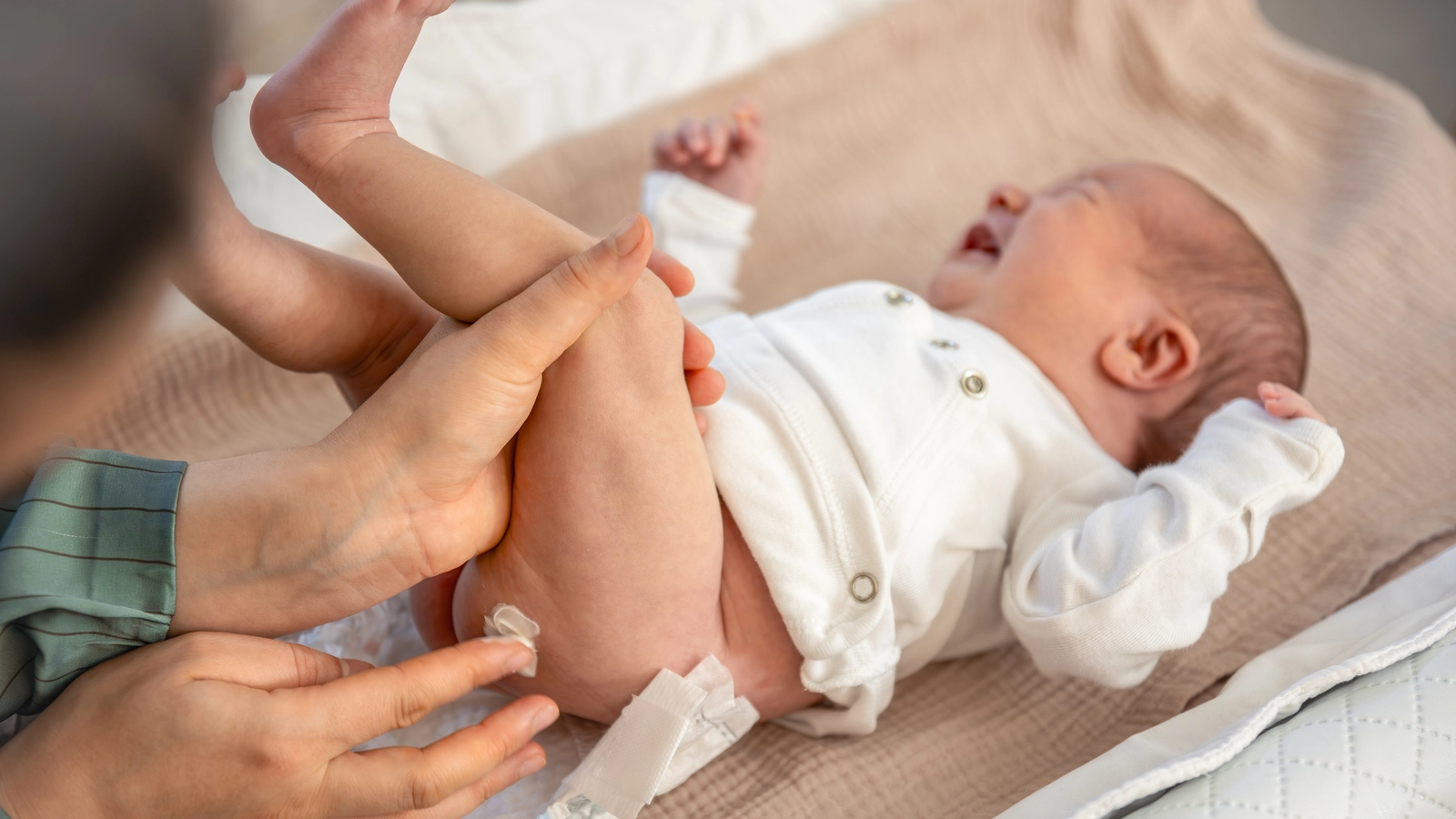
When your little one starts moving actively, it's important to ensure they stay comfortable all day long so they can freely learn to crawl and walk. Diapers MAKUKU Comfort Fit with a body-hugging design, providing freedom of movement for the Little One without worrying about shifting. The SAP Thin Core technology ensures high absorbency to keep the baby's skin dry for longer. The Little One can be more cheerful, move freely, and stay comfortable all day long.