Mucous baby poop is caused by an immature digestive system, infections, allergies, excessive saliva, and changes in diet. Using highly absorbent diapers like MAKUKU Dry Care helps keep your little one's skin dry and comfortable.
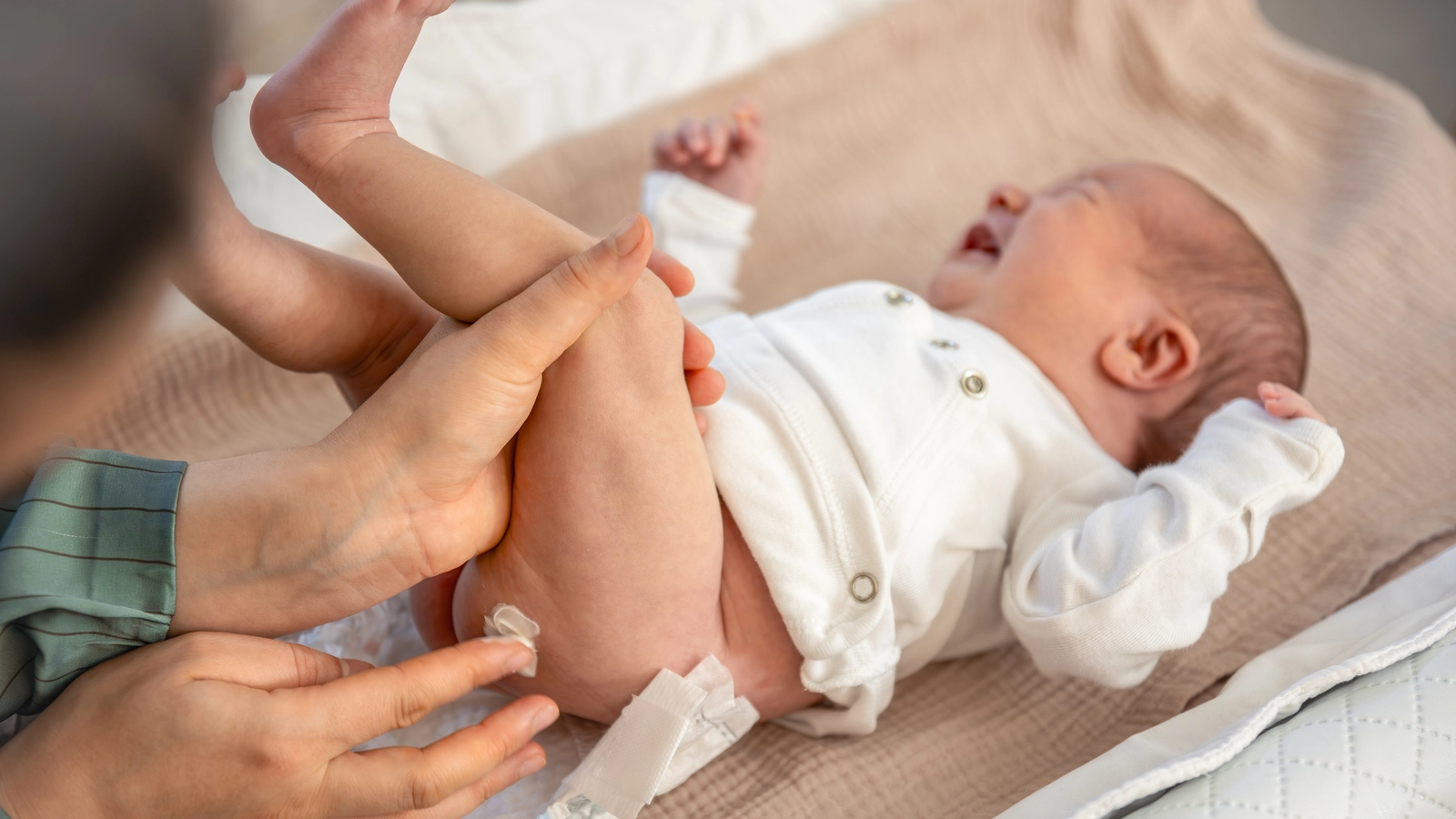
Moms, have you ever experienced changing your little one's diaper and suddenly noticed their poop is slimy? At first glance, it can indeed cause panic, especially since the texture looks different from usual. It's natural for Moms to immediately wonder, "Is this normal?"
Actually, mucus in a baby's stool can be normal under certain conditions. However, on the other hand, this condition can also be a sign that something needs further attention, depending on the amount of mucus and accompanying symptoms.
Let's learn the causes and how to deal with mucus in baby poop in this article!
Is Mucus in Baby's Stool Normal or Dangerous?
Basically, mucus in a baby’s stool is normal. Mucus is produced by the intestines to aid digestion and protect the digestive tract. However, mothers should still pay attention to the amount of mucus and any accompanying symptoms.
If the mucus is only a little and the Little One remains active, it is most likely still normal. On the other hand, if the amount is large or accompanied by other symptoms such as diarrhea, bloody stool, fever, vomiting, the Little One appears fussy or weak, and appetite decreases, this condition could be a sign of digestive disorders or infection and should be checked by a doctor.
Causes of Mucus in Baby Stool
There are several factors that can cause a baby's stool to contain mucus. Here are some of the most common causes.
1. Immature Digestive System
A baby's digestive system is still in the developmental stage until they are approximately 2 years old. Therefore, mucus production can be higher compared to adults.
2. Digestive Tract Infection
Bacterial or viral infections in the digestive tract can cause irritation in the intestines, resulting in increased mucus production. This condition is usually accompanied by other symptoms such as diarrhea, fever, or the baby appearing more fussy.
3. Food Allergies or Intolerances
Some babies have sensitivities to certain proteins, such as cow's milk or new foods during the complementary feeding period. This reaction can trigger the appearance of mucus in the stool as a sign of the body's response to these foods.
4. Excessive Salivation (Teething)
When entering the teething phase, babies tend to produce more saliva. Some of the swallowed saliva can affect the texture of the stool, making it appear mucous.
5. Changes in Eating Patterns
Changes in diet, such as the transition from breast milk to complementary foods or switching types of milk, can affect a baby's digestive system. This can lead to changes in stool texture, including the temporary appearance of mucus.
Warning Signs and When to See a Doctor
Although mucus in a baby's stool is normal, there are certain conditions that Moms need to be aware of and pay attention to in the Little One.
1. Excessive and Continuous Mucus
If mucus appears in large quantities and does not go away, it is advisable to see a doctor immediately.
2. Accompanied by Blood in Stool
Blood in the stool can be a sign of a serious infection or allergy, whether it appears in small or large amounts.
3. Baby Fever or Lethargy
If the baby experiences a fever (≥38°C) or appears weak and less active, this may indicate that the body is fighting an infection.
4. Prolonged Diarrhea
If your Little One's stool is continuously watery for more than 1-2 days, especially in infants, the risk of dehydration will increase, so it needs to be addressed immediately.
How to Handle Mucus in Baby's Stool
Moms, the way to address a baby's mucous stool greatly depends on the cause. However, Moms can take the following steps.
1. Pay Attention to Eating Patterns
If the baby has started complementary feeding, try evaluating the newly introduced food. It could be that the little one is not compatible with the food.
2. Continue Providing Sufficient Breast Milk or Fluids
Breast milk helps maintain the immune system and prevent dehydration. Make sure your little one doesn't lack fluids, Moms.
3. Maintain the cleanliness of baby diapers
Also ensure that the baby bottle, eating utensils, and your little one's hands are always clean to prevent infections.
4. Consultation with a Doctor
If symptoms do not improve within a few days, it is advisable to immediately take your child to the ER or the nearest healthcare facility to be examined by a pediatrician.
How to Prevent Mucous Stools
Prevention is always better than cure, right Moms? Here are some ways to prevent mucus in stool that Moms can do.
1. Maintaining Environmental Cleanliness
Ensure the baby's surroundings remain clean, including Moms' hands before touching the Little One. Maintaining cleanliness can help reduce the risk of infections in the digestive tract.
2. Introducing Food Gradually
When your little one starts solid foods, introduce one new type of food every few days. This method helps moms identify any potential allergies or specific reactions to the food.
3. Pay Attention to the Baby's Body Reactions
Observe any changes in the baby's stool, skin, or behavior after consuming certain foods or milk. If a reaction occurs, it will be easier for Moms to identify the cause and make adjustments.
4. Use Comfortable and Maximally Absorbent Diapers
Choose diapers with high absorbency to keep the baby's sensitive area dry and comfortable. With the skin remaining dry, the risk of irritation can be reduced.
Baby poop with mucus can indeed make Moms worried, but this condition is not always dangerous for the Little One. As long as the amount of mucus is small and not accompanied by other symptoms, it is usually still considered normal. However, if signs such as fever, prolonged diarrhea, or excessive mucus appear, it is advisable to consult a doctor immediately so that the Little One receives appropriate treatment.
In addition to maintaining health from within, the comfort of your little one during illness is equally important, Moms. Therefore, it is important to choose baby products that can keep the skin dry and comfortable all day long, and one of them is MAKUKU Skin Health.

MAKUKU Dry Care MAKUKU Dry Care is designed to protect your little one's skin with maximum absorption for up to 12 hours. With optimal air circulation, the diaper is moisture-free and comfortable. Dry diapers all day long.
Come on Moms, provide extra protection for your little one by choosing MAKUKU Dry Care to keep them comfortable and free from heat all day long.