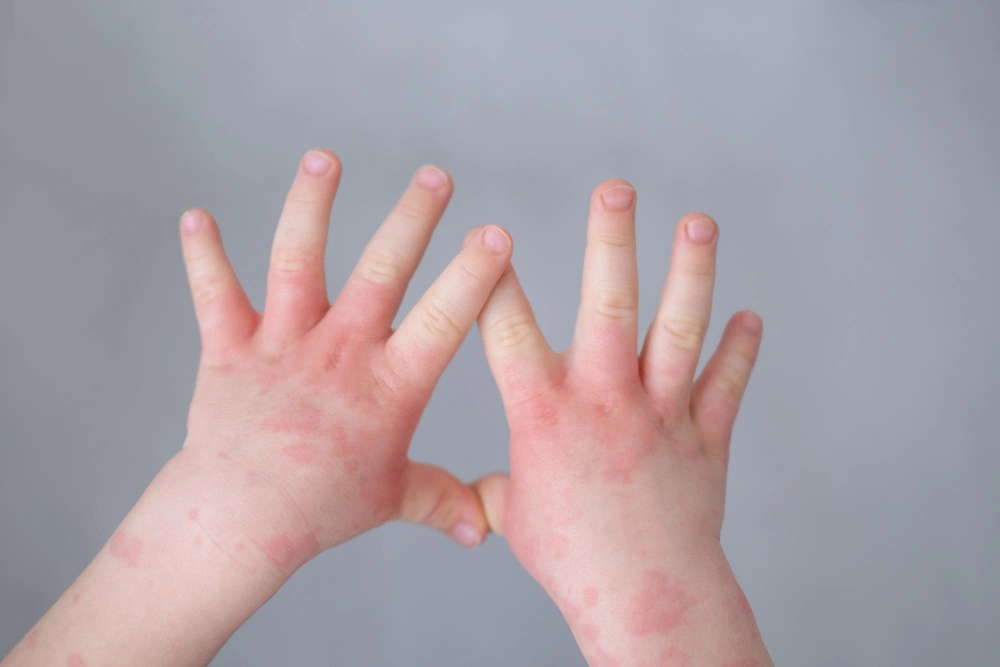
Measles in babies is a viral infection characterized by high fever, cough, runny nose, red eyes, and a spreading skin rash. Early recognition, proper care, and timely vaccination are essential to reduce the risk of complications. MAKUKU Skin Health can help keep your little one comfortable during recovery.
When your little one suddenly develops a high fever followed by a rash, it’s natural to feel concerned. These symptoms could be a sign of measles, a common but highly contagious illness that affects babies and young children.
The good news is that by understanding the symptoms, causes, treatment options, and preventive measures, parents can manage measles more effectively while reducing the risk of serious complications.
What Is Measles in Babies?
Measles is a highly contagious viral infection caused by the measles virus. It typically affects the respiratory system before causing a distinctive skin rash.
The virus spreads easily through the air when an infected person coughs, sneezes, or breathes. Because a baby's immune system is still developing, infants are generally more vulnerable to infection than adults.
Symptoms of Measles in Babies
Measles symptoms usually develop gradually. Early signs often resemble a common cold before progressing into more recognizable symptoms.
1. High Fever
A high fever is usually the first symptom of measles. Your baby’s temperature may rise above 38°C (100.4°F), often causing irritability and discomfort.
2. Cough and Runny Nose
During the early stage, babies often develop symptoms similar to a cold, including:
- Persistent cough
- Runny nose
- Nasal congestion
These symptoms may make sleeping and feeding more difficult.
3. Red, Watery Eyes
Babies with measles often experience red, watery eyes and increased sensitivity to light. They may also rub their eyes more frequently due to discomfort.
4. Skin Rash
A red rash usually appears several days after the fever begins. It typically starts on the face and spreads downward to the neck, trunk, arms, and legs. This rash is one of the hallmark signs of measles.
Causes of Measles and How It Spreads
Measles is caused by the Measles virus, which belongs to the Paramyxoviridae family and Morbillivirus genus. It is one of the most contagious infectious diseases, particularly among unvaccinated children.
1. Airborne Transmission
The virus spreads through respiratory droplets released when an infected person coughs or sneezes. Other people can become infected simply by inhaling these droplets.
Because of its high contagiousness, direct contact is not always necessary for transmission.
2. Contact with Contaminated Surfaces
The measles virus can survive on surfaces for a period of time. Babies may become infected by touching contaminated objects and then touching their mouth, nose, or eyes.
Infants who have not received measles vaccination face a significantly higher risk of infection.
How to Treat Measles in Babies
There is currently no specific antiviral medication that cures measles. Treatment focuses on relieving symptoms, supporting recovery, and preventing complications.
1. Ensure Adequate Rest
Rest allows the body to concentrate its energy on fighting the infection and supports faster recovery.
2. Keep Your Baby Hydrated
Breast milk, formula, and appropriate fluids help prevent dehydration, especially if your baby has a fever or reduced appetite.
3. Use Fever-Reducing Medication as Recommended by a Doctor
If your baby develops a high fever, consult a healthcare provider about suitable fever-reducing medications. Never give medication without professional medical advice.
4. Maintain Cleanliness and Comfort
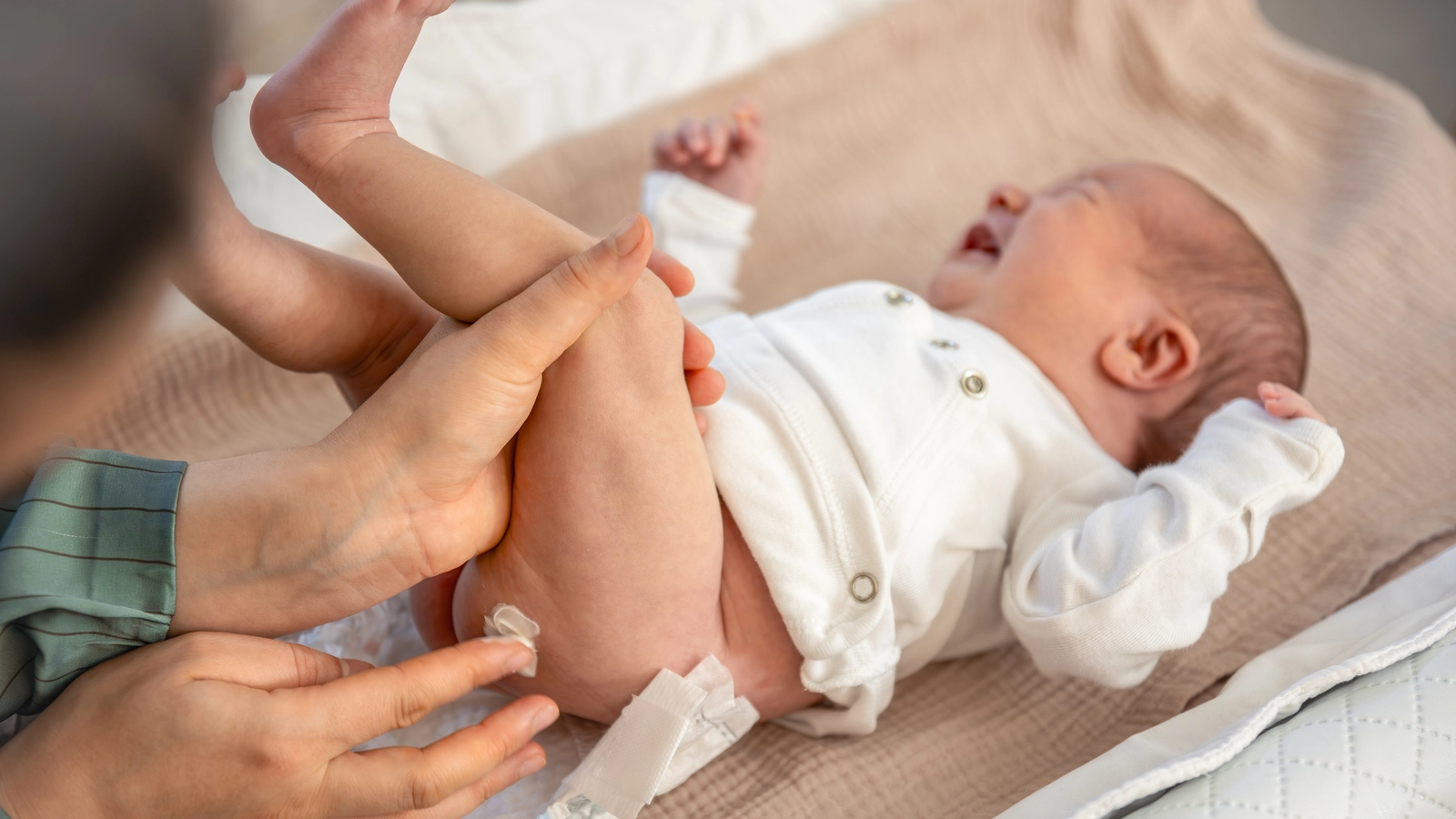
Keeping your baby's skin clean and dry can help reduce irritation associated with the rash. A clean environment may also lower the risk of secondary infections.
Potential Measles Complications in Babies
Although many babies recover without issues, measles can sometimes lead to serious complications.
1. Ear Infection
Measles can cause ear infections that may result in pain, discomfort, and temporary hearing problems.
2. Diarrhea
Some babies develop diarrhea as a complication of measles, which can increase the risk of dehydration.
3. Pneumonia
Pneumonia is one of the most serious complications of measles and may present with:
- Rapid breathing
- Shortness of breath
- Difficulty breathing
4. Encephalitis
Encephalitis is inflammation of the brain. Although rare, it is a severe complication that can cause long-term neurological problems.
How Long Does Measles Last?
In most cases, measles lasts approximately 7–10 days.
The illness usually begins with fever and cold-like symptoms, followed by the appearance of a rash. The rash gradually fades as recovery progresses. Recovery time may vary depending on your baby's overall health and immune response.
After recovering from measles, most individuals develop long-lasting immunity against future infections.
When Should You Take Your Baby to a Doctor or Emergency Room?
Seek immediate medical attention if your baby develops any of the following symptoms:
1. Persistent High Fever
A fever that remains high for more than two to three days or consistently exceeds 38°C should be evaluated by a healthcare professional.
2. Difficulty Breathing
Signs of respiratory distress include:
- Rapid breathing
- Labored breathing
- Chest retractions
Immediate medical care is required if these symptoms occur.
3. Dehydration
Warning signs of dehydration include:
- Fewer wet diapers
- Dry lips and mouth
- Lethargy
- Crying without tears
4. Seizures
Seizures are a medical emergency and require immediate treatment.
How to Prevent Measles in Babies
Prevention is the most effective way to protect your child from measles.
1. Vaccination
The MR (Measles-Rubella) or MMR (Measles-Mumps-Rubella) vaccine is the most effective method of preventing measles infection. Vaccination helps build immunity and significantly reduces the risk of severe illness.
2. Avoid Contact with Infected Individuals
Keep your baby away from anyone who is known or suspected to have measles.
3. Practice Good Hygiene
Simple hygiene habits can help reduce the spread of infections:
- Wash hands frequently
- Clean commonly touched surfaces
- Maintain a clean home environment
Conclusion
Measles in babies can be worrying for parents, especially since early symptoms often resemble a common cold before the characteristic rash appears. Fortunately, with proper care and close monitoring, most babies recover without serious complications.
In addition to supporting your baby's health during recovery, ensuring their comfort is equally important. Choosing products that help keep your baby's skin dry and protected can make a significant difference.
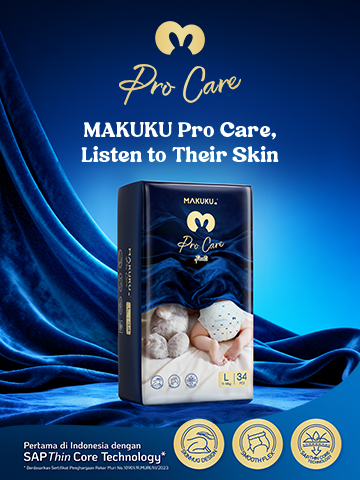
MAKUKU Skin Health is a diaper pant specifically designed to absorb moisture efficiently and reduce discomfort caused by wetness. Featuring an adaptive embossed core that helps reduce skin contact by up to 50%, it provides up to 12 hours of comfort for your little one.
The product has also undergone rigorous dermatological testing in Germany by Dermatest GmbH, an internationally recognized independent testing institute, and has been proven to be gentle on sensitive baby skin.
Give your little one the comfort and protection they deserve with MAKUKU Skin Health—designed to keep babies dry, comfortable, and happy throughout the day and night.