Cough in babies can be addressed according to its type and cause. Some ways to handle cough in babies include ensuring the baby stays hydrated, using a humidifier, and choosing the right sleeping position.
Moms, when your little one starts coughing, it's natural to feel worried. Especially if the cough makes the baby fussy, difficult to sleep, or even hard to nurse. It feels like you want to give medicine right away, but on the other hand, you're afraid of handling it incorrectly, right?
In fact, coughing in babies is quite common and can be caused by many things, such as throat irritation, overly humid air, and allergies. Therefore, it is important to understand the type and cause of the cough experienced by the little one so that Moms can provide the right and safe treatment at home.
Is Coughing in Babies Normal?
Moms, coughing is actually the body's natural reflex to clear the airways of mucus, dust, or germs. So, in many cases, coughing in babies is normal, especially if it is not accompanied by other serious symptoms.
However, there are certain conditions to be aware of. If a baby's cough does not improve after 5-7 days, or if other symptoms such as fever, difficulty breathing, trouble feeding, or the baby appears more irritable and lethargic, it is advisable to consult a doctor immediately for appropriate treatment.
4 Types of Cough in Babies
Before determining how to address it, it's important to identify the type of cough your little one is experiencing. Each type of cough can have different causes, Moms.
1. Dry Cough
A dry cough is a cough that does not produce phlegm and often sounds like a "giggle." Generally, a dry cough is caused by irritation in the throat, dry air, or a mild infection.
2. Productive Cough
A productive cough is a cough that expels mucus from the respiratory tract. Typically, a productive cough occurs when a baby has a cold or a respiratory tract infection.
3. Whooping Cough (Batuk Rejan)
This type of cough is quite serious and is characterized by a "whoop" sound when the baby inhales. Additionally, the baby may experience shortness of breath, vomiting, and even fatigue. Due to the risk of complications, this condition requires immediate medical attention.
4. Cough Due to Allergy
Coughing in infants can also be triggered by an allergic reaction. The characteristics include coughing that occurs along with sneezing, watery eyes, or a runny nose without a fever. Triggers can include dust, cigarette smoke, animal fur, or cold air, and the symptoms tend to recur upon re-exposure.
Safe Ways to Treat Cough in Babies
After identifying the type of cough, Moms can start implementing the following safe and simple methods to relieve your little one's cough at home. But remember, babies should not be given medication without a doctor's recommendation.
1. Ensure the Baby Stays Hydrated
Providing sufficient breast milk or formula can help keep the baby's throat moist, reducing discomfort from coughing. Additionally, adequate fluid intake is important to help thin mucus and support the child's body's recovery process for a quicker recovery.
2. Use a Humidifier
Humid air can help soothe throat irritation and make your little one's breathing easier. Therefore, using a humidifier is very important to maintain air humidity and help reduce the frequency of your little one's cough, especially when the air feels dry.
3. More Upright Sleeping Position
Slightly elevating the baby's head position while sleeping can help reduce coughing, especially at night. This position helps prevent mucus buildup in the airways, allowing the little one to breathe more easily and sleep more comfortably.
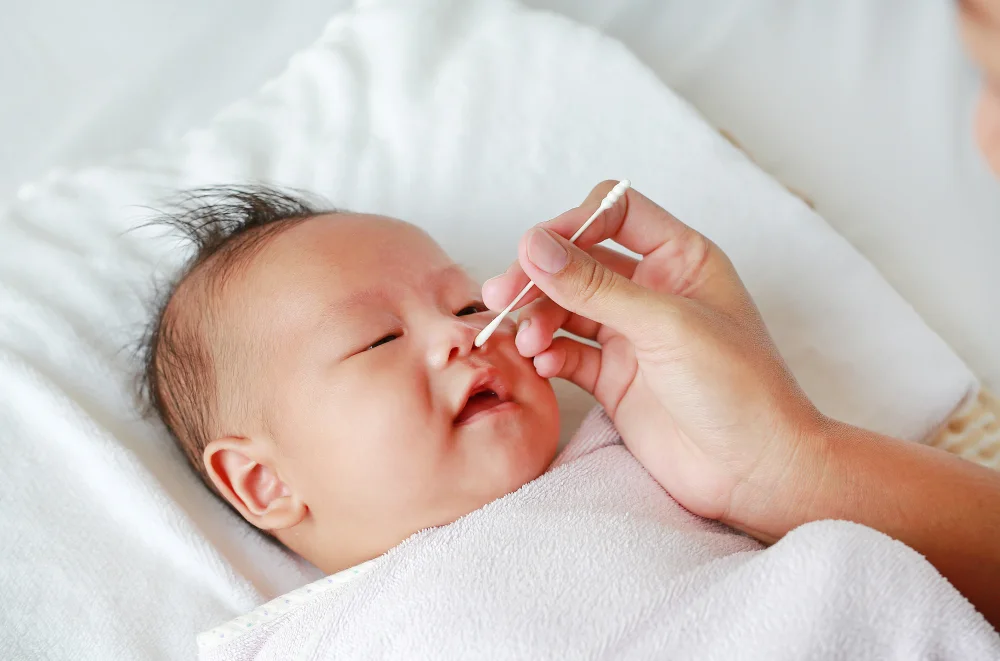
4. Clean the Baby's Nose
If a cough is accompanied by a cold, use a saline solution or a mucus suction device to keep the airways clear. With a clean nose, your little one will be more comfortable when breathing and nursing.
Treatment Suitable for Baby's Cough Condition
Every baby can experience different coughing conditions, so the treatment also needs to be adjusted.
1. If Cough Accompanied by Cold
Moms, if your little one is coughing and having difficulty breathing due to a cold, focus on clearing their nose and keeping the baby comfortable. This way, your little one can breathe more easily and is less likely to be fussy.
2. If Coughing at Night
If the cough occurs more frequently or worsens at night, monitor the room temperature and humidity to ensure comfort. Ensure your little one is not too cold, and dress them warmly enough for the room's conditions.
Air that is too dry or cold can trigger more frequent coughing, so keeping the sleeping environment comfortable can help the little one sleep more soundly without being disturbed by coughing.
3. If Coughing Due to Allergy
If the cough is triggered by allergies, it is important to reduce exposure to allergens around the baby, such as dust, cigarette smoke, or pet fur. Moms can also regularly clean the sleeping area and maintain clean air quality. The less exposure to triggers, the faster the little one's cough usually subsides.
How to Prevent Cough in Babies
Preventing a cough is certainly better than treating it, right Moms? These simple steps can help keep your little one healthy and free from coughs.
1. Maintain Environmental Cleanliness
First, ensure the house is free from dust and dirt that can trigger coughing. A clean environment helps keep your little one's respiratory tract healthy every day.
2. Hindari Paparan Asap
Cigarette smoke or pollution can irritate a baby's respiratory tract. This exposure can also worsen the cough that the little one is already experiencing, you know, Moms.
3. Wash Hands Regularly
Moms, simple habits like washing hands regularly can actually prevent the spread of viruses and bacteria. Especially before touching the baby, washing hands is very important to maintain the health of the little one.
4. Ensure Complete Immunization
Vaccines help protect babies from various disease risks that can cause serious coughs, such as pneumonia and whooping cough. With complete immunization, the child's immune system also becomes stronger in fighting infections.
Things to Avoid When a Baby Coughs
In addition to providing treatment that matches the cause and type of the child's cough, there are also some things that should not be done when the child is coughing.
1. Giving Medication Carelessly
Babies should not be given cough medicine without a doctor's prescription as it can be dangerous. Improper use of medication can actually worsen the child's condition, Moms.
2. Using Excessive Oil
Penggunaan minyak pada bayi perlu dilakukan dengan hati-hati, ya Moms. Beberapa jenis minyak, terutama yang beraroma kuat, bisa terlalu keras untuk kulit dan saluran pernapasan bayi.
If used excessively, oil can actually risk causing skin irritation or making the little one uncomfortable. Use it sparingly and choose products that are specifically formulated for babies.
3. Ignoring Serious Accompanying Symptoms
Moms, if your little one experiences a cough accompanied by high fever, shortness of breath, vomiting, or a persistent cough, do not delay in consulting a doctor. Prompt treatment is crucial to prevent your child's condition from worsening.
Coughing in babies often makes Moms worried, but most cases can actually be managed with some safe and simple methods at home, such as ensuring the baby stays hydrated, using a humidifier, and keeping the baby away from allergy triggers. The key is for Moms to understand the type of cough and the condition being experienced so that the treatment can be more accurate.
In addition, the comfort of the little one also plays an important role in the quick recovery process, especially when they are resting. Therefore, it is important for Moms to ensure that the little one uses the right diaper so they remain comfortable throughout the day and night.
MAKUKU Slim Luxury Silky MAKUKU Slim Luxury Silky is presented as a premium baby diaper with SAP Thin Core technology as thin as 1.6 mm, providing a zero feel sensation, allowing babies to remain comfortable during activities. The High Absorbency of MAKUKU Slim Luxury Silky, which can provide maximum protection for up to 12 hours, keeps the little one dry and comfortable.