Breast Milk Residue on a Baby’s Cheeks: Natural Ways to Get Rid of It
Breast milk residue on a baby’s cheeks generally appears due to excess moisture and irritation on sensitive skin, not because of the breast milk itself. Natural ways to treat it include cleansing with warm water, applying breast milk, using a baby-specific moisturizer, applying natural oils, and avoiding irritation triggers.
Seeing your little one’s smooth cheeks suddenly become red, dry, or develop a rash after feeding can certainly make Moms worry. Don’t worry, Moms—this condition, often referred to as a milk rash, is common because a baby’s skin is still extremely sensitive.
The good news is that there are several natural ways to remove breast milk residue from a baby’s cheeks that Moms can easily do at home. Let’s explore safe steps to keep your little one’s facial skin clean and free from irritation!
Does Breast Milk Residue Cause Milk Rash?
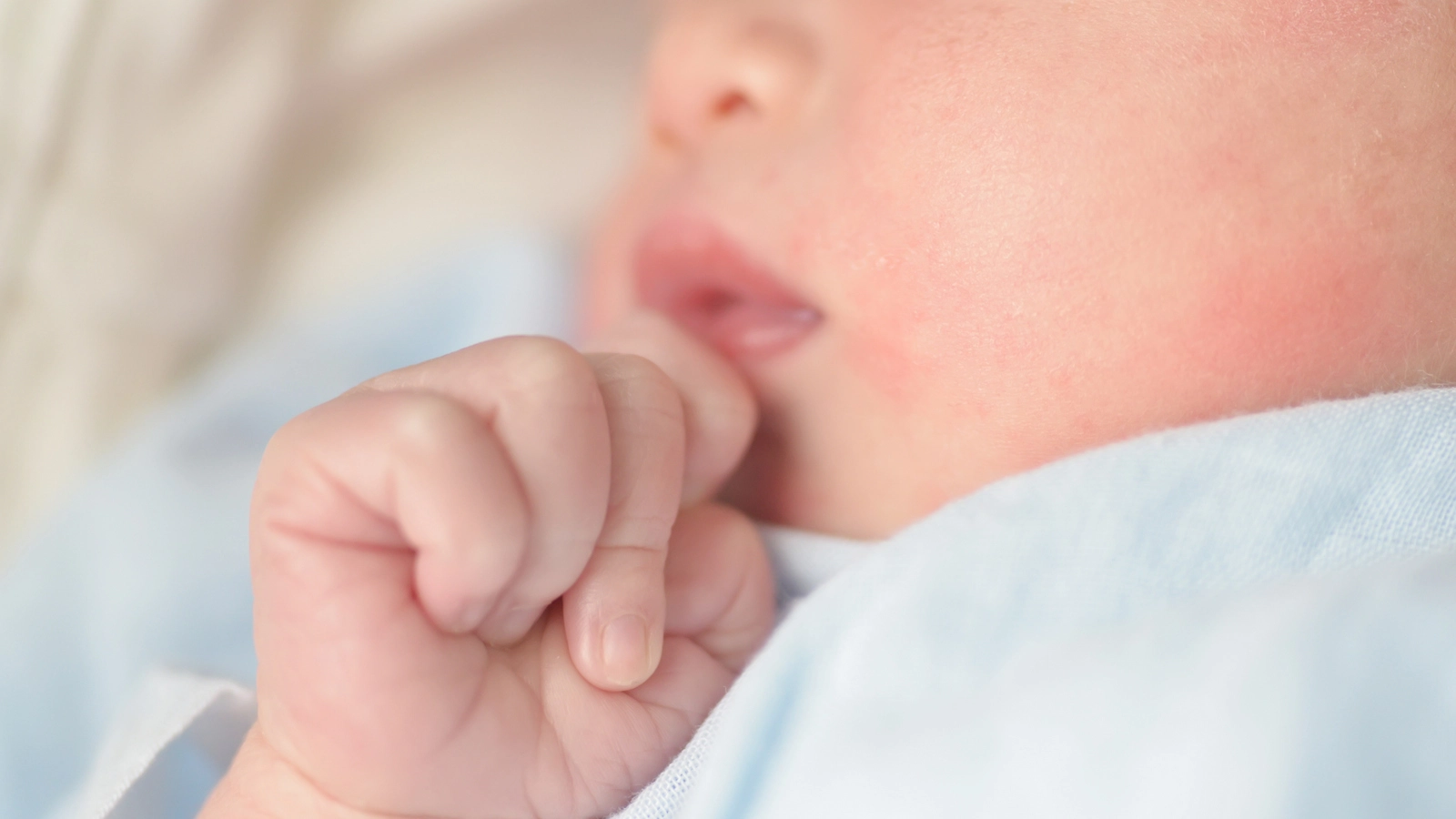
Breast milk residue on a baby’s cheeks is not actually the main cause of a rash. However, leftover milk that remains on the skin can make the facial area more moist and trigger irritation, especially since a baby’s skin is still very sensitive.
Breast milk left on the skin for too long can mix with saliva, sweat, or dust on the baby’s skin. In addition, friction from cloths, pillows, or the baby’s hands frequently touching the face can worsen cheek irritation.
A rash caused by breast milk residue usually has the following characteristics:
Mild redness on the cheeks
Skin that appears rough or dry
Small bumps or tiny spots
The baby rubs their face more often
Read Also: 4 Causes of Oral Thrush in Babies and How to Treat It
Natural Ways to Remove Breast Milk Residue on a Baby’s Cheeks
Here are several natural ways to remove breast milk residue from your baby’s cheeks safely at home.
1. Clean with Warm Water
Cleaning your little one’s face with warm water can help remove leftover breast milk and dirt from the skin’s surface. Warm water also helps maintain the skin’s natural moisture.
Moms can use a clean, soft cloth or cotton pad dampened with warm water and gently wipe the baby’s cheeks. Afterward, pat the area dry with a clean towel to avoid excessive friction.
2. Apply Breast Milk
Besides being a source of nutrition, breast milk also contains various natural components that are beneficial for a baby’s skin. These include immunoglobulins, lactoferrin, epidermal growth factor (EGF), and several anti-inflammatory substances that help support the skin’s regeneration process.
Moms can apply a small amount of breast milk to the irritated area and let it air-dry naturally before cleaning the baby’s face. This method is often used as a natural remedy to help soothe mild skin irritation.
3. Use a Baby-Specific Moisturizer
Irritated skin usually loses part of its natural protective barrier. Therefore, using a baby-specific moisturizer can help restore the skin barrier and support faster recovery.
Choose a moisturizer that is free from fragrances, alcohol, and harsh chemicals such as parabens, SLS/sulfates, and phthalates. Ingredients such as ceramides, glycerin, and hyaluronic acid can help maintain skin hydration, making areas affected by breast milk residue appear healthier and softer.
4. Use Natural Oils
Certain natural oils can help maintain a baby’s skin moisture when used properly. For example, virgin coconut oil contains lauric acid, which has antimicrobial properties and helps keep the skin moisturized.
Before applying any natural oil, perform a patch test on another area of the skin, such as the leg, to ensure there is no allergic reaction. Apply only a thin layer and avoid areas with open wounds or infections.
5. Avoid Factors That Worsen Irritation
An important step in naturally treating breast milk residue on a baby’s cheeks is avoiding factors that can aggravate irritation. Red marks will take longer to fade if the skin continues to experience friction or excessive moisture.
Moms should clean away breast milk residue immediately after feeding, replace dirty washcloths, and use gentle, baby-safe skincare products suitable for sensitive skin. Keeping the cheek area clean and dry can help the healing process progress more effectively.
How to Prevent Breast Milk Residue on a Baby’s Cheeks
Prevention is always easier than treating a rash that has already developed. With simple habits, Moms can help keep their little one’s facial skin healthy and soft.
1. Clean the Face Immediately After Feeding
Cleaning your baby’s face after feeding is essential to prevent the buildup of breast milk and saliva residue. The combination of milk residue, which is rich in fats and proteins, and moist saliva creates an ideal environment for harmful microorganisms to grow, including bacteria such as Staphylococcus aureus and fungi such as Candida.
Under normal conditions, these microorganisms are generally harmless. However, when they mix with dried breast milk residue that remains on the skin for a long time, they can multiply rapidly and penetrate a baby’s thin, delicate skin barrier.
2. Avoid Products with Harsh Ingredients
A newborn’s skin does not require a complicated skincare routine like an adult’s. Using too many products can actually stress your baby’s skin and damage its fragile natural protective barrier.
Therefore, Moms should avoid products containing harsh alcohol or strong fragrances, which can strip the skin of its natural moisture. These aggressive ingredients are among the main triggers of contact allergies that can make areas affected by breast milk residue feel itchy, dry, and even more sensitive.
Read Also: 3 Causes of Heat Rash in Children and How to Treat It
Conclusion
Natural ways to remove breast milk residue from a baby’s cheeks include cleansing the face with warm water, applying breast milk, using a baby-specific moisturizer, applying safe natural oils, and avoiding various irritation triggers. In addition, preventive measures such as cleaning the face immediately after feeding and choosing gentle products for babies also play an important role in maintaining your little one’s skin health.
Besides facial care, maintaining your baby’s skin health—especially in the diaper area—is equally important to prevent irritation. For this reason, Moms can choose diapers made from soft materials, such as MAKUKU Slim Luxury Silky.
This premium diaper features SAP Thin Core Technology, providing a zero-feel sensation so babies remain comfortable, as if they are not wearing a diaper at all.
MAKUKU Slim Luxury Silky is also exceptionally gentle on the skin because it is made from natural silk fibers while still offering high absorbency. It helps protect your baby’s skin from diaper rash and keeps it dry for up to 12 hours. Moms, give your little one the best protection with MAKUKU Slim Luxury Silky so they can stay active and comfortable.
FAQs
1. Can breast milk residue on a baby’s cheeks disappear on its own?
Yes, mild marks may gradually fade if the baby’s skin is regularly cleaned and kept dry.
2. Can baby powder be used to treat milk rash?
It is best to avoid using powder because it may clog pores or worsen irritation on a baby’s sensitive skin.
3. When should a rash on a baby’s cheeks be checked by a doctor?
If the rash worsens, develops pus, spreads, or makes the baby appear uncomfortable, consult a doctor promptly.
4. Can a baby’s saliva also cause a rash?
Yes. The combination of saliva and excess moisture can trigger irritation on the cheeks and chin.
5. Are babies with sensitive skin more prone to milk rash?
Yes. Babies with sensitive skin tend to develop redness or mild irritation more easily due to moisture and friction.
6. What are the benefits of MAKUKU diapers for babies with sensitive skin?
MAKUKU diapers feature SAP technology that quickly and evenly absorbs liquid, keeping the diaper surface dry and helping reduce the risk of irritation.
7. Is MAKUKU safe for newborns?
Yes. MAKUKU is available in various sizes, including newborn sizes, and is made from soft materials designed to help keep babies comfortable from birth.