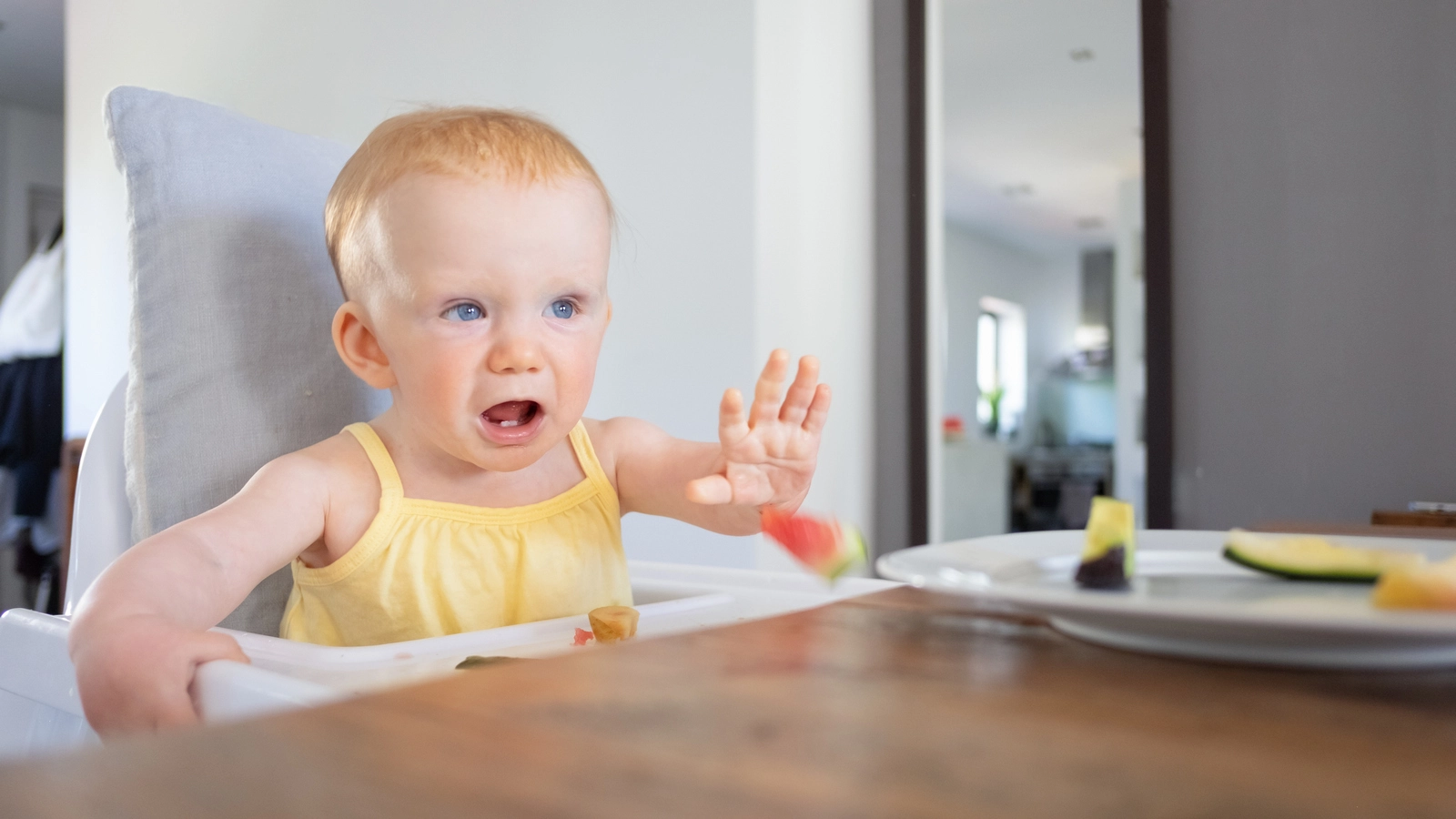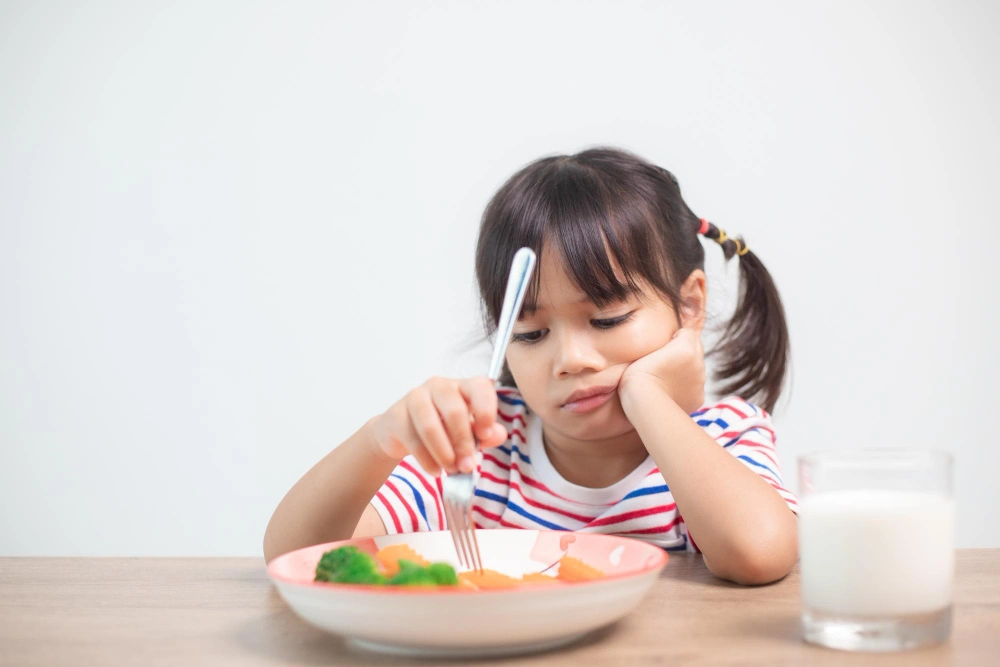
The issue of children refusing to eat or the Mouth Closing Movement (GTM) is experienced by almost every parent. Addressing the concerns felt by many parents, MAKUKU together with Babyologist held an Instagram Live with the theme "Stay Calm Facing GTM During Complementary Feeding" on Thursday, September 2, 2021, simultaneously on three channels. They collaborated with Pediatric Specialist from Carolus Hospital, Dr. med. Peggy Yulia, Sp. A, to thoroughly discuss the GTM issue in children.
Before diving into the discussion topic, the IG Live hosted by Sherlly Yusuf, Chief Editor of Babyologist, invited the audience to participate in a quiz with prizes featuring Makuku's flagship product, Rovco Potty Training, for three winners. To participate, answer the question about the benefits of becoming a MAKUKU Family member in the comments section of Babyologist's Instagram by September 9, 2021.
Causes of GTM and How to Overcome It
Eating for adults is an enjoyable activity. But it might be different for little ones; some love to devour whatever is given, while others need to be persuaded in various ways to eat, including those who are picky eaters or have difficulty eating (GTM).
Many say that GTM is a phase in a child's eating habits that is considered normal and is left alone. Because eventually, the child will ask for food on their own. So is that true, and when does GTM occur in children?
Dr. Peggy explains that the Refusal to Eat Movement usually occurs when the child is sick, causing a decrease in appetite. Teething also affects this behavior in children, as well as boredom with the same food, the child's mood during the pandemic, and trauma related to food or the eating process itself. It is advisable for the child's eating process to take place in a pleasant atmosphere.
Parents should also be suspicious if the refusal to eat (GTM) in children occurs continuously and must immediately find out the root cause to address it. This is because GTM can be a sign that the child is experiencing serious health problems. Here are some medical issues that cause children not to want to eat as follows:
1. kelainan struktur saluran cerna atau pernapasannya misal pada anak dengan bibir sumbing atau langit-langit terbuka.
2. Penyempitan kerongkongan sehingga anak tidak dapat menelan makanan dengan ukuran besar.
3. Gangguan pada saluran hidung yang tersumbat atau atresia koana dan kesulitan bernapas dan makan, dimana dibutuhkan koordinasi antara makan dan tarik napas.
4. Neodesha mental atau kelainan saraf atau perkembangan. Contohnya, pada anak yang mengalami cerebral palsy, distrofi otot dan autisme. Dimana prevalensi terjadinya masalah makan lebih besar dibandingkan dengan anak normal lain.
5. Sering muntah, repudiasi, menangis kesakitan, bisa jadi si anak mengalami GERD. Kondisi ketika makanan turun ke lambung dan naik lagi ke kerongkongan serta asam lambung yang menimbulkan rasa perih di area kerongkongan.
6. TBC yang ditandai dengan benjolan di leher dan ketiak anak yang dapat menurunkan nafsu makan.
7. Kelainan jantung yang membuat anak sulit makan.
Feeding Rules
Dr. Peggy mengingatkan untuk para orang tua tidak pasrah, berkecil hati dan terus mencari tahu cara mengatasi GTM. Bila penyebabnya bukan dari masalah klinis yang disebutkan diatas, sebagian besar penyebabnya adalah perilaku makan yang salah. Sebuah penelitian mengatakan sekitar 30% anak GTM disebabkan perilaku makan yang salah pada anak. Perilaku makan anak yang salah bisa timbul akibat tidak mengikuti aturan pemberian makan yang baik dan benar. Feeding rules harus diterapkan pada anak sejak diberikan MPASI pertama.
"Because eating problems don't just suddenly occur, but go through a process starting from the introduction of complementary foods. So what needs to be considered is following eating rules and feeding rules, especially for new mothers," explained Dr. Peggy.
These eating or feeding rules must be followed so that the little one can eat. The three feeding rules are as follows:
Schedule
Parents should create a meal schedule for their children to ensure it is regular and structured. The goal is to develop a proper sense of hunger and fullness in children and to instill this habit. Dr. Peggy recommends providing main meals to children three times a day. Also, pay attention to the child's mealtime, and try not to force or extend the mealtime, limiting it to about 30 minutes only.
"The rule for main meals for children is three times a day, then between these two main meals, snacks can be provided. During meal times, only water should be given and do not give milk outside of meal times," said Dr. Peggy.
Environment
Ciptakan lingkungan yang menyenangkan dan hindari memaksa anak untuk makan. Menjejalkan makanan secara paksa pada anak dapat menimbulkan trauma dan membuat anak menghindari jam makan. Environment yang nyaman dan tidak ada distraksi dapat membantu anak fokus pada kegiatan makannya.
"Parents or caregivers should avoid distractions such as giving gadgets, watching TV, providing toys, and feeding while taking the child around when feeding. That is the most prohibited," explained Dr. Peggy.
Dr. Peggy says that during meals, children should only sit and not engage in any activities other than eating. Mealtime is a moment where parents and children can interact the most and give each other their full attention.
Procedure
Orang tau harus membiasakan anak duduk di meja makan. Bila anak sudah dapat makan sendiri biarkan makan sendiri atau membantunya jika belum bisa. Jika si kecil menolak makan, Anda dapat berhenti sebentar dan kemudian menawarkannya kembali.
"If after 10-15 minutes the child still refuses, it's best to stop," he added.
Para orang tua wajib memerhatikan aspek kualitas dan kuantitas dari makanan tersebut. Berikan makanan yang sesuai dengan usia dan perkembangannya serta tekstur makanannya. Memberikan makanan yang tidak sesuai dengan tekstur dapat menghambat perkembangan motorik oral pada anak.
"We must adjust the texture of the food according to their age, starting from smooth porridge, coarse porridge, soft foods until finally, by the age of one year, they should be able to eat family meals," he explained.
Dr. Peggy menambahkan bahwa rasio antara makanan padat dan cair pada anak pun tidak boleh diabaikan. Makanan anak usia 1-3 tahun yaitu makanan padatnya 70% dan yang cair seperti susu sekitar 30%. Sementara bagi anak yang picky eater, dimana anak yang makannya sedikit atau makan dengan tekstur tertentu, orang tua bisa mencoba food training. Food training adalah memperkenalkan makanan baru kepada anak dengan sistematik.
“Kalau anak-anak tidak mau jangan menyerah, karena anak-anak membutuhkan 10-15 kali paparan terhadap makanan baru sampai si anak mau menerima,” ujar dr. Peggy.
To meet the needs of Mommy and the little one in overcoming GTM in children, MAKUKU Family Store, as a one-stop solution shop, is now present in 18 locations across Java Island with the best and high-quality products. Additionally, each MAKUKU Store offers a service to consult directly with a trusted and certified head store to help select products according to the needs and conditions of the little one.
Parents who shop at MAKUKU Store also have the opportunity to become members. By becoming a member, you can receive several benefits, including a 10% discount on selected products with a lifetime validity. You also gain the advantage of private consultations via WhatsApp with experts in various fields such as obstetrics and gynecology, psychology, pediatrics, and others.
Untuk mendapatkan informasi lebih lanjut mengenai MAKUKU Family, Mommy dan Daddy dapat mengikuti akun Instagram official @makuku.indonesia.official, TikTok @makuku.family dan juga official store di beberapa ecommerce seperti Lazada, Shopee dan Tokopedia.
Author: Aqiyu Purbosuli