Ways to help a child walk faster can be done through stimulation such as standing exercises, cruising, and playing on the floor to train strength and body balance. To make your little one more comfortable while actively moving, MAKUKU Comfort Fit comes with a thin design and high absorbency that helps keep the skin dry, allowing the baby to freely explore each stage of their learning.
Seeing your little one start to stand and attempt to take steps often becomes a heartwarming moment for moms. Many parents are curious and look for ways to help their child walk faster, especially when the baby has begun to actively stand while holding onto furniture at home.
However, it is important to remember that every child has different stages of development. Some babies walk faster, while others take longer. With the right stimulation and a safe environment, Moms can help their little ones learn to walk with more confidence.
When Can Babies Walk?
In general, babies begin to walk independently at the age of 9-15 months. Before they truly walk, they usually go through several stages of motor development, such as crawling, standing, and walking while holding onto objects around them.
This development is related to muscle strength, body balance, and coordination that continues to evolve over time. Therefore, not all babies will walk at the same age. As long as their motor development is within the normal range, Moms don't need to worry too much.
According to National Health Service According to the National Health Service, most babies start walking between the ages of 10 and 18 months, and before that, they usually go through stages such as pulling themselves up to stand and walking while holding onto furniture (cruising).
Signs Your Baby Is Ready to Learn to Walk
Before your little one truly walks on their own, there are usually some signs indicating that they are ready to learn to walk. Recognizing these signs can help moms provide the right stimulation.
1. Already Able to Stand Alone
If your little one has started standing without assistance for a long time, it indicates that their leg muscles and balance are beginning to develop. Usually, babies will try to stand while holding onto a table, sofa, or wall.
2. Start Cruising (Walking While Holding On)
Cruising is the stage when a baby walks along furniture while holding on. This is an important exercise before independent walking, as it helps the baby learn to shift their weight from one foot to the other.
3. Often Trying to Step
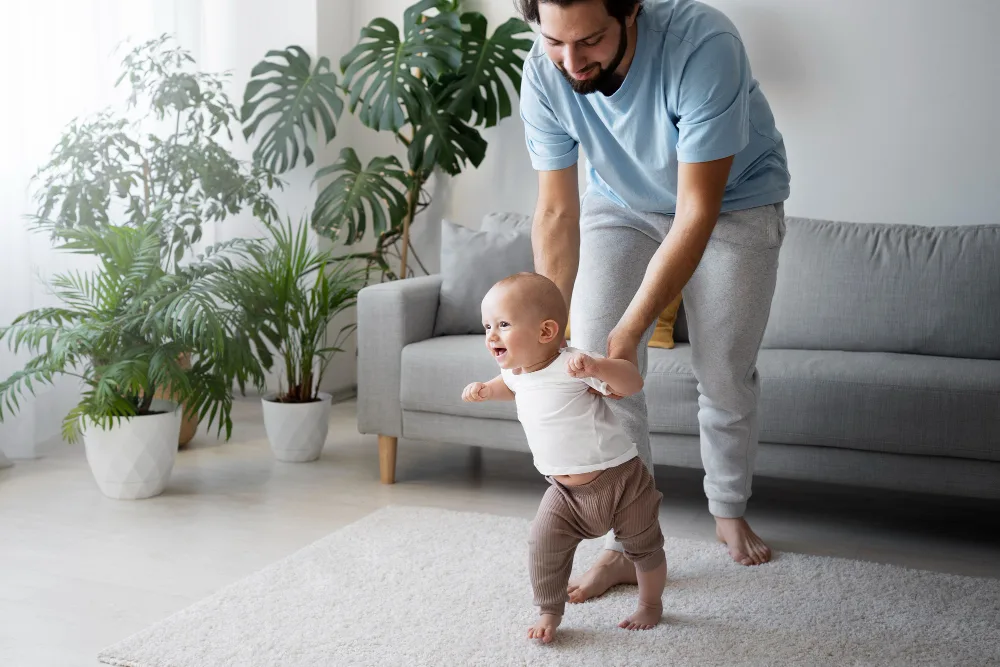
Some babies start trying to take steps when both of their hands are held. If your little one seems happy to try walking like this, it's likely they are learning to understand the movement of walking.
How to Make Your Child Walk Faster
If your little one is already showing signs of being ready to walk, you can provide some simple stimulation to make the learning-to-walk process more enjoyable.
1. Gradual Standing Exercises
Moms can help the Little One stand by holding both of their hands or positioning them near a sofa or low table. This method helps train leg muscle strength and body balance.
2. Invite to Walk with Handholding
Encouraging your little one to walk while holding their hand can help boost their confidence. This exercise also helps the baby gradually learn the pattern of walking movements.
3. Use Toys as Motivation
Place your little one's favorite toy just out of their reach. This method often encourages the baby to try stepping on their own to reach the toy.
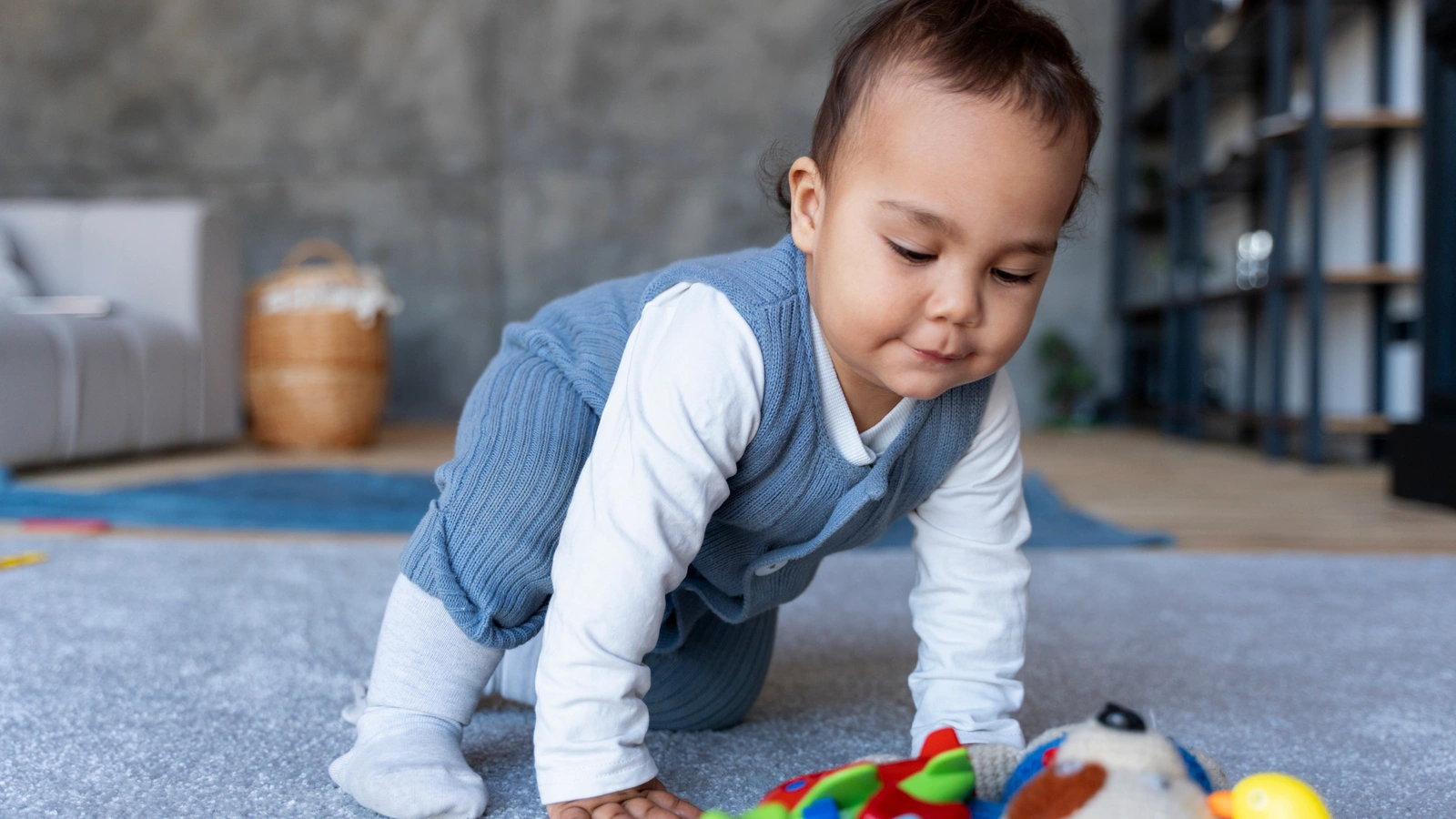
4. Let the Baby Move a Lot on the Floor
Allowing playtime on the floor gives your little one more freedom to move, crawl, and try to stand. This activity is crucial for developing coordination and strengthening their body muscles.
Safe Tips for Training Children to Walk
When your little one starts learning to walk, safety becomes very important. A few simple steps can help moms create a safe environment for them.
1. Ensure the Home Area is Safe
Remove sharp objects or items that can easily fall around the baby's play area. Moms can also add corner protectors to the table for added safety.
2. Use a Comfortable Floor Mat
A floor that is too slippery can make it easy for babies to slip. Using a playmat or soft carpet can help reduce the risk of falling.
3. Accompany Your Child While Practicing Walking
Saat Si Kecil mulai mencoba melangkah, pastikan Moms tetap mendampingi dan mengawasinya. Kehadiran orang tua dapat membantu menjaga keamanan sekaligus memberikan rasa percaya diri pada anak saat belajar berjalan.
Signs of Delayed Walking to Watch Out For
Although every baby develops at a different pace, there are certain conditions that parents need to be aware of.
1. Unable to Stand at 12 Months Old
If your little one is not yet able to stand with assistance at around one year of age, you can start consulting with a pediatrician to ensure their motor development.
The child shows no interest in moving or standing at all.
Babies usually have a high curiosity to move and explore. If your little one appears very passive and rarely tries to move, this could be a sign that needs attention.
3. Not Walking at 18 Months
Most children can walk before the age of 18 months. If not, it is advisable for Moms to seek advice from medical professionals to ensure there are no developmental issues.
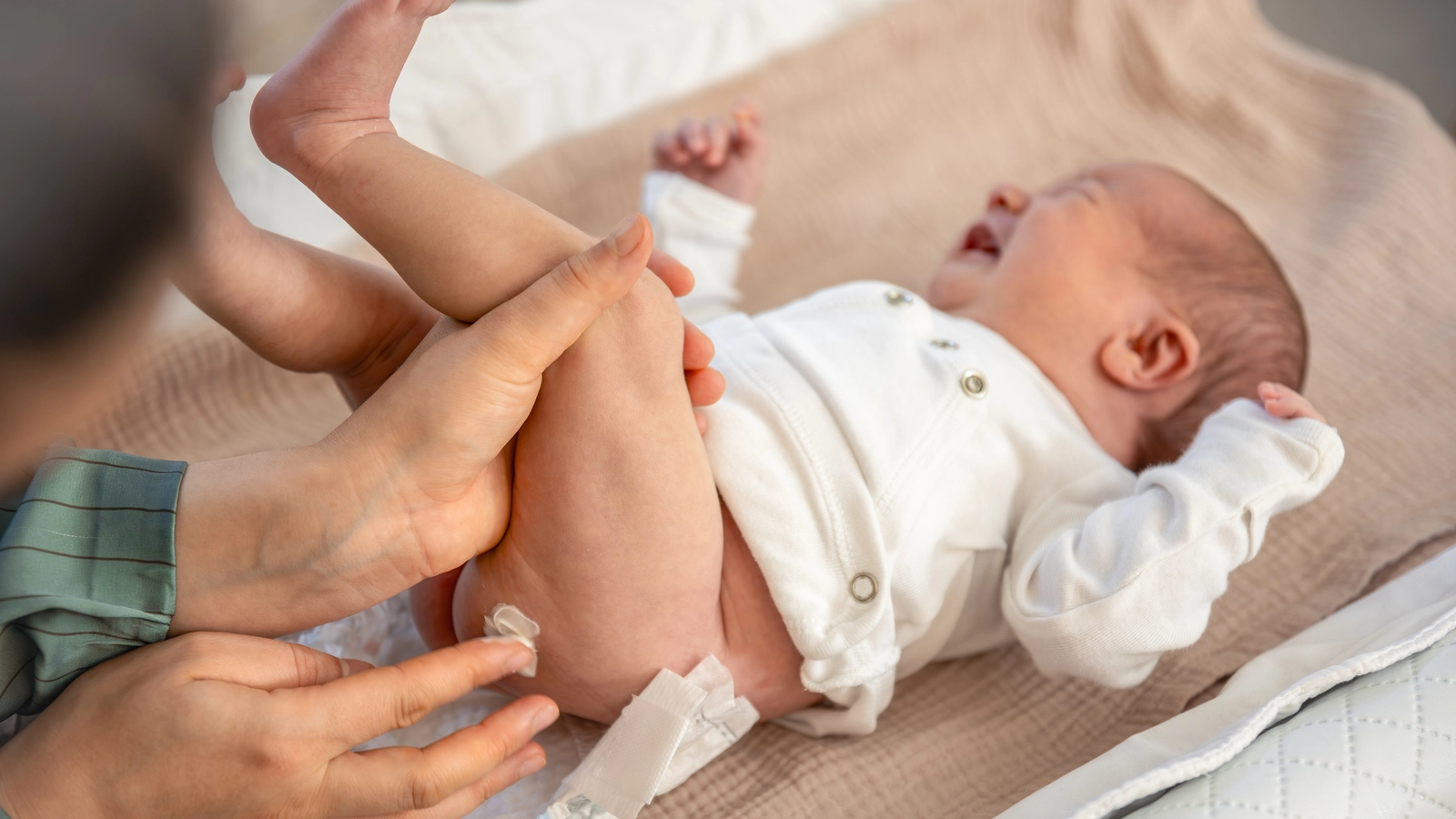
Learning to walk is one of the important milestones in your little one's growth and development that can be supported with proper stimulation, sufficient space to move, and a safe environment. When the baby starts to actively stand, cruise, and try to walk, comfort also needs to be considered so they can move freely without obstacles. Therefore, choosing diapers that remain comfortable to use throughout the day is important for Moms.

To support this, MAKUKU Comfort Fit To support this, MAKUKU Comfort Fit is here for active babies who need maximum comfort. With a Comfort Fit design that fits the body, this diaper provides freedom of movement without worrying about shifting. Then, the SAP Thin Core technology ensures high absorbency, keeping the baby's skin dry for longer. Your little one will remain comfortable while learning to walk.