Key Summary
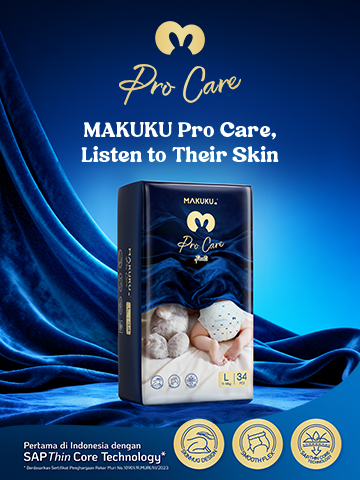
You can help lower a baby’s fever by giving enough fluids, using warm compresses, dressing them in comfortable clothing, and ensuring plenty of rest while monitoring any symptoms that appear. To keep your little one comfortable during recovery, parents can use high‑absorbency diapers such as MAKUKU Slim Luxury Silky, which help keep baby’s skin dry for longer.
Feeling that your baby’s body is warm can easily make you feel worried. Fever in babies is actually quite common, especially when their immune system is fighting an infection. However, not every fever is dangerous.
What matters most is that you understand the causes, symptoms, and safe ways to reduce fever so your little one stays comfortable during recovery. With the right steps, you can also recognize when fever can still be managed at home and when it is time to consult a doctor.
What Causes Fever in Babies?
Fever in babies usually occurs when the body is fighting an infection. When the immune system is working against viruses or bacteria, body temperature can rise as part of the body’s natural defense mechanism. Some common causes include:
1. Viral infections
Viral infections are the most frequent cause of fever in babies, such as colds, flu, or mild respiratory infections. Fever due to viruses is often accompanied by other symptoms like a blocked or runny nose, cough, or increased fussiness. In many cases, this condition improves with simple home care.
2. Bacterial infections
Bacterial infections can also trigger fever in babies, for example ear infections, urinary tract infections, or throat infections. Fever caused by bacteria often needs evaluation by a doctor so your baby can receive appropriate treatment.
3. Reaction after immunization
Your baby may also develop a mild fever after immunization. This is generally normal because the body is building protection against certain diseases. Usually, this fever is short‑lived and can be managed with simple home measures according to your doctor’s advice.
4. Overheating
Babies can experience an increase in body temperature if they stay too long in a hot room or wear clothes that are too thick. Because a baby’s body cannot regulate temperature as efficiently as an adult’s, this can cause their temperature to rise.
Symptoms of Fever in Babies to Watch For
Fever in babies is not only indicated by a warm body. Several other signs can help you recognize it more quickly.
1. Increased body temperature
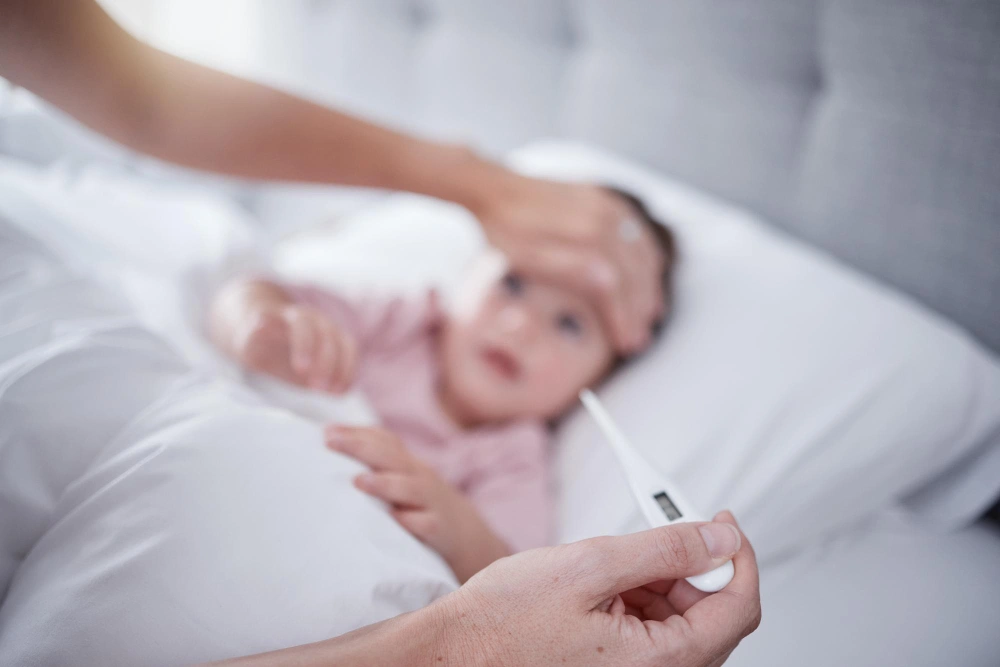
The most accurate way to know if your baby has a fever is to measure their temperature with a thermometer. In general, a baby is considered to have a fever if their body temperature is 38°C or higher. If you feel your baby is warmer than usual, check their temperature right away so you can decide on the next step.
2. More fussy than usual
When they have a fever, babies often become more sensitive and cry more easily because their bodies feel uncomfortable.
3. Reduced desire to feed or drink
Some babies with fever may be less interested in breastfeeding or drinking milk. If this happens, you need to pay close attention to their fluid intake so they do not become dehydrated.
4. Looking tired or weak
A baby with a fever can appear more tired, less active, or sleep more than usual.
Safe Ways to Reduce Fever in Babies at Home
If your baby’s fever is mild and they still look fairly comfortable, you can often help reduce it with simple home care.
1. Give enough breast milk or fluids
Fluids are very important when a baby has a fever because they help prevent dehydration. If your baby is still breastfeeding, you can offer breast milk more often. For older babies who already take other fluids according to medical advice, small frequent sips can help keep them hydrated.
2. Use warm compresses
Warm compresses can help lower body temperature gradually. Use a soft cloth soaked in warm water and place it on your baby’s forehead, armpits, or groin area. Avoid using cold water or ice, as this can cause shivering and may actually raise the body temperature.
3. Dress baby in comfortable clothing
When your baby has a fever, dress them in light, breathable clothing that absorbs sweat well. Clothes that are too thick or layers of blankets can trap heat and make their temperature increase.
4. Ensure enough rest
Rest is very important to help your baby’s body fight infection. Make sure your baby is in a calm, comfortable environment so they can sleep better and longer.
5. Give fever medicine only as advised by a doctor
If needed, a doctor may recommend fever‑reducing medicine that is specially formulated for babies. Always follow the dose and schedule given by your doctor, and never give any medication without medical advice.
Things to Avoid When Your Baby Has a Fever
There are some actions that may worsen your baby’s condition and should be avoided.
1. Using cold water or ice
Compressing your baby with cold water or ice can cause shivering. This can actually raise body temperature because the body is trying to warm itself.
2. Wrapping the baby too tightly
Some parents think wrapping a baby with a thick blanket will help “sweat out” the fever. In fact, this can trap heat and make the fever worse.
3. Giving medicine without medical guidance
Not all medications are safe for babies. Avoid giving over‑the‑counter fever medicines or adult medications without consulting a healthcare professional first.
How to Help Prevent Fever in Babies
Not all fevers can be prevented, but there are several steps that may reduce your baby’s risk of infection.
1. Keeping hands clean
Germs that cause illness often spread through the hands. Make it a habit to wash your hands before touching or feeding your baby to reduce the risk of infection.
2. Keeping immunizations up to date
Immunizations help protect babies from various serious illnesses. By following the recommended schedule, the risk of certain infections can be reduced.
3. Maintaining a clean environment
A clean environment helps reduce your baby’s exposure to germs. Clean toys, crib surfaces, and frequently touched areas regularly.
When Should a Baby with Fever See a Doctor?
Most fevers in babies improve on their own, but some conditions require prompt medical attention.
1. Fever in babies under 3 months
If a baby younger than 3 months has a fever, they should be checked by a doctor as soon as possible. At this age, the immune system is still very immature, and even a mild fever can signal a serious problem.
2. Fever lasting more than 3 days
If your baby’s temperature does not improve or stays high for more than about 3 days, a medical evaluation is needed to find the cause.
3. Seizures or extreme lethargy
Fever accompanied by seizures, difficulty waking, or a baby who looks extremely weak or unresponsive is an emergency sign and needs immediate medical care.
4. Accompanied by serious symptoms
Take your baby to a doctor right away if the fever is accompanied by persistent vomiting, rash, breathing difficulty, or signs of dehydration such as very dry mouth, fewer wet diapers than usual, or no tears when crying.
Conclusion
Fever in babies often makes parents feel anxious, but it is usually a sign that the body is actively fighting an infection. By understanding how to reduce fever safely—such as giving enough fluids, using warm compresses, dressing your baby lightly, and ensuring enough rest—you can help support your little one’s recovery more calmly and confidently.
MAKUKU presents MAKUKU Slim Luxury Silky, a diaper crafted with SAP Thin Core Technology. This premium baby diaper with a touch of luxury comes with zero feel and zero worry protection, keeping your little one dry for up to 12 hours — so they can rest more comfortably without any worry of leakage.