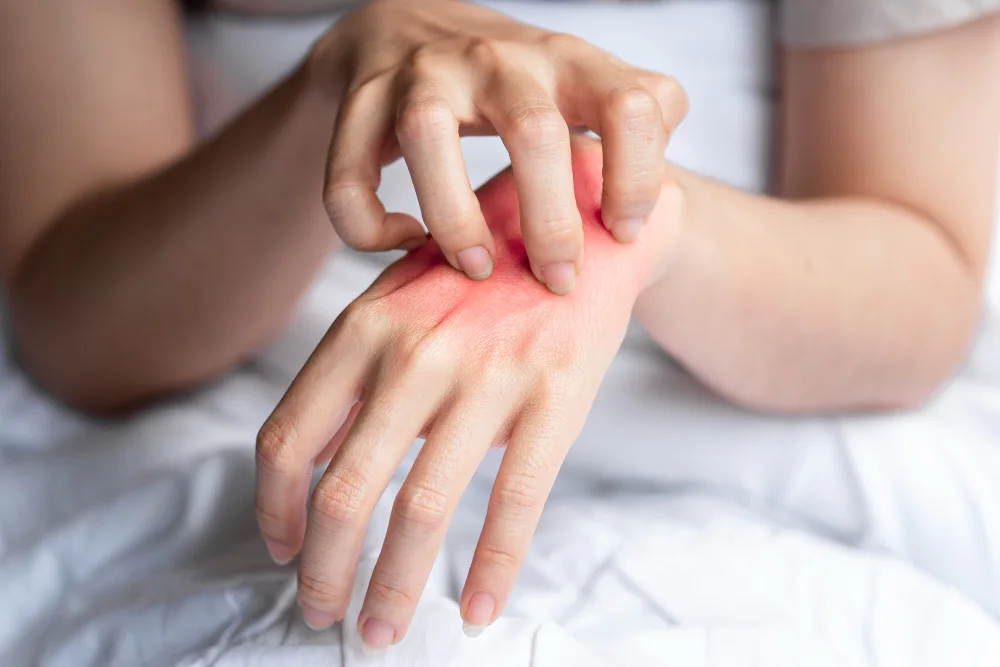
Itchy skin (also called pruritus) is one of the most common skin complaints. For many Moms, it can be very disruptive to daily activities, even affecting sleep quality. Scratching too hard may cause irritation, wounds, or even skin infection.
According to Clinical Dermatology (Weisshaar & Szepietowski, 2019), itchy skin can be caused by many different factors, such as allergies, dry skin, inflammation, or underlying medical conditions. That’s why it’s important for Moms to understand the causes of itchy skin and how to treat it properly.
The good news is, not all itchy skin needs to be treated with chemical medication. For mild to moderate itching, Moms can try several natural remedies at home to soothe the skin and reduce discomfort. Below are 10 natural and quick ways to relieve itchy skin, supported by scientific studies and dermatology references.
Common Causes of Itchy Skin
Before finding the best solution, Moms need to know the possible causes:
- Dry skin (xerosis): Common in cold weather or in air-conditioned rooms.
- Insect bites: Mosquitoes, fleas, or mites often trigger itching and swelling.
- Food or environmental allergies: Seafood, dust, animal dander, or detergents are common culprits.
- Skin irritation: Harsh soaps, fragrances, or synthetic fabrics can irritate the skin.
- Environmental factors: Hot or cold temperatures may worsen dryness and itching.
- Medical conditions: Such as eczema (atopic dermatitis), psoriasis, or fungal infections.
- By identifying the cause, Moms can choose the most effective natural treatment.
10 Natural and Quick Ways to Relieve Itchy Skin
1. Stay Hydrated
Drinking enough water daily helps keep the skin hydrated. Dehydration can make the skin dry and prone to itching. A study in the Journal of Clinical Medicine (Palma et al., 2015) found that increased water intake improves skin hydration and elasticity significantly.
2. Cold Compress with Ice Cubes
Applying an ice pack or cold compress can help reduce itching and inflammation. The cooling effect works by numbing the irritated nerves, providing instant relief. This is especially useful for insect bites or mild allergic reactions (National Eczema Association, 2021).
3. Apply Herbal Oils (Eucalyptus or Tea Tree Oil)
Herbal essential oils are known for their antiseptic and anti-inflammatory properties. Research published in Phytotherapy Research (Juergens et al., 2003) showed that eucalyptus oil can help soothe skin inflammation. Tea tree oil is also effective against fungal infections that may cause itching.
4. Wet Wrap Therapy
This method is commonly recommended for people with atopic dermatitis (eczema) or very dry skin. The therapy involves applying moisturizer to the skin and covering it with damp gauze or cloth. According to the American Academy of Dermatology (2020), wet wrap therapy helps rehydrate the skin, reduce inflammation, and calm itching.
5. Coconut Oil
Coconut oil contains medium-chain fatty acids such as lauric acid, which have antibacterial and anti-inflammatory benefits. A study in the International Journal of Dermatology (Evangelista et al., 2014) reported that coconut oil significantly improves skin hydration and can relieve itching caused by dryness or eczema.
6. Aloe Vera Gel
Aloe vera has long been used to moisturize and soothe irritated skin. Rich in vitamins A, C, and E, as well as enzymes, aloe vera helps promote skin regeneration. A review in the Journal of Traditional and Complementary Medicine (Surjushe et al., 2008) confirmed its effectiveness in calming itching and repairing damaged skin.
7. Wear Loose and Breathable Clothing
Moms should choose lightweight, cotton-based clothing that allows the skin to breathe. Tight or synthetic fabrics can trap heat and worsen itching, especially in people with sensitive skin or eczema.
8. Oatmeal Bath
Colloidal oatmeal contains avenanthramides, compounds with anti-inflammatory properties that help reduce redness and itching. Research published in the Journal of Drugs in Dermatology (Cerio et al., 2010) found that oatmeal baths significantly improve symptoms of eczema and sensitive skin. Moms can soak for 15–20 minutes in lukewarm oatmeal water for best results.
9. Apple Cider Vinegar Bath
Apple cider vinegar has natural antimicrobial and antifungal properties. Adding 1–2 cups of apple cider vinegar to bathwater can help restore the skin’s natural pH balance and reduce itching caused by mild irritation.
10. Consume Turmeric
Turmeric is rich in curcumin, a powerful anti-inflammatory and antioxidant compound. A study in the Journal of Clinical Immunology (Chainani-Wu, 2003) found that curcumin reduces skin inflammation and improves healing in conditions that cause itching. Moms can consume turmeric tea, golden milk, or turmeric supplements to support skin health.
When to See a Doctor?
While natural remedies can be effective for mild symptoms, Moms should seek medical advice if:
-
The itching does not improve after several days.
-
There is severe redness, swelling, or pus.
-
The itching is accompanied by difficulty breathing (a sign of severe allergic reaction).
-
Skin becomes extremely dry, cracked, or bleeding.
Conditions like psoriasis, chronic eczema, or severe allergic reactions may require professional medical treatment.
Itchy skin is often caused by dryness, allergies, insect bites, or irritants. While it can be very uncomfortable, Moms don’t always need chemical medication right away. Natural remedies such as staying hydrated, applying aloe vera, using coconut oil, oatmeal baths, apple cider vinegar, or turmeric can provide quick and safe relief.
However, if itching persists or worsens, it’s important to consult a dermatologist to rule out serious skin conditions and receive the right treatment.