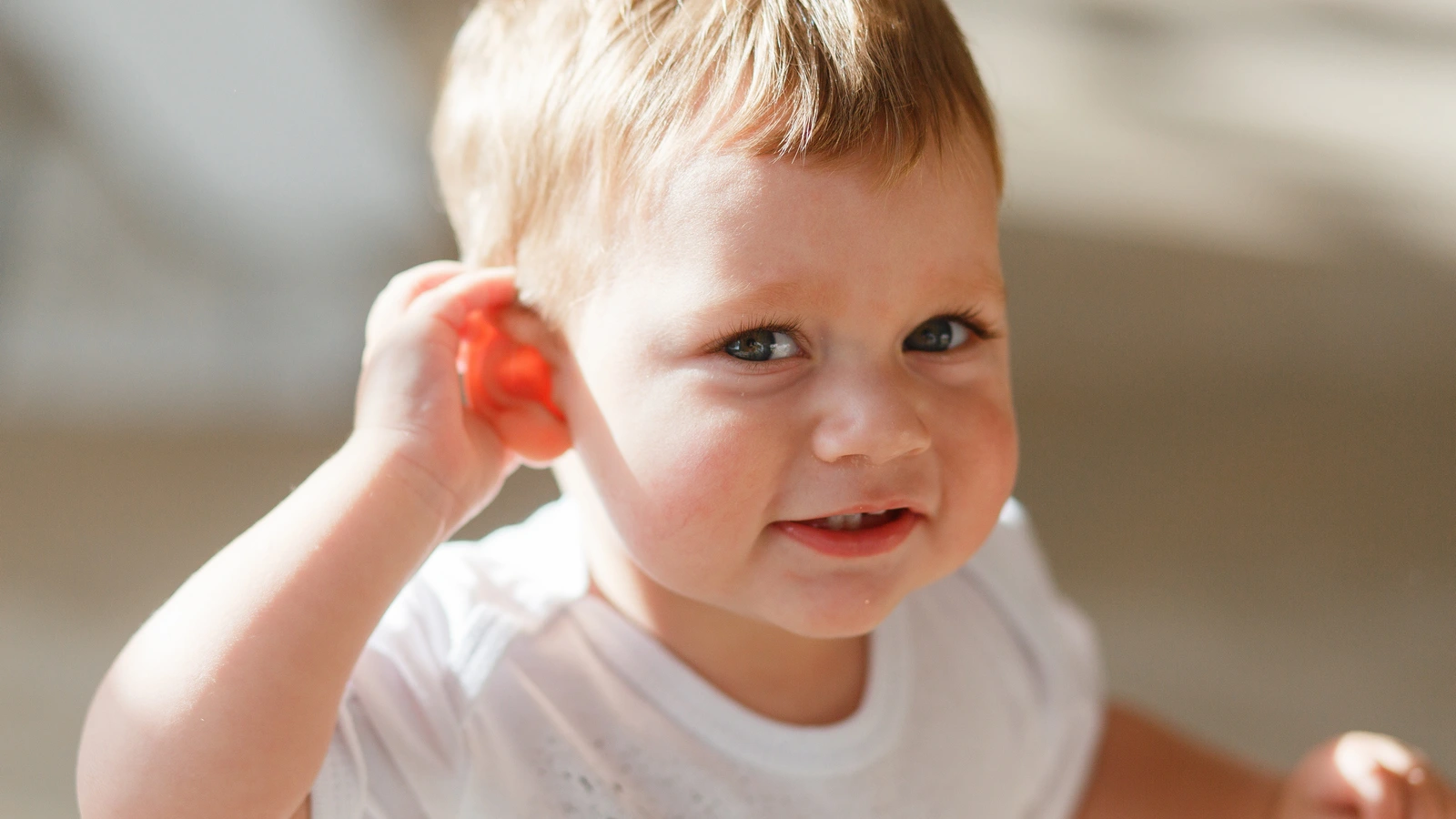
A lump behind a baby’s ear can result from various conditions, including swollen lymph nodes, infections, epidermoid cysts, or injuries. Parents should consult a doctor promptly if the lump is accompanied by fever, pain, redness, or continues to grow larger.
Discovering a lump behind your baby’s ear can certainly be worrying, especially if it appears suddenly without an obvious cause and makes your little one fussier than usual.
In reality, a lump behind a baby’s ear does not always indicate a serious or dangerous condition. However, understanding the possible causes, warning signs, and treatment options is important to ensure your baby receives appropriate care as early as possible.
Related Article: 4 Types of Coughs in Babies and How to Treat Them
Causes of a Lump Behind a Baby’s Ear
A lump behind a baby’s ear can develop for various reasons, ranging from mild infections to medical conditions that require professional treatment. Below are some of the most common causes.
1. Swollen Lymph Nodes
Lymph nodes are part of the immune system that help filter germs and produce infection-fighting cells. When your baby experiences conditions around the head area, such as a cold, flu, sore throat, or ear infection, the lymph nodes in the neck and behind the ears may swell as they work to fight off the infection.
The lump is usually soft, movable when touched, and small to medium in size. The good news is that the swelling often subsides on its own as the underlying infection improves.
2. Boils
A boil is an infection of a hair follicle or skin tissue, most commonly caused by the bacterium Staphylococcus aureus. Although boils are more common in moist or friction-prone areas of the body, they can also develop behind a baby’s ear.
A boil-related lump is typically red, warm to the touch, and painful. If the boil ruptures, yellowish-white pus may drain from it.
3. Mastoiditis
Mastoiditis is an infection of the mastoid bone located behind the ear. This condition often develops as a complication of untreated or inadequately treated middle ear infections (otitis media).
Lumps caused by mastoiditis are usually accompanied by swelling, redness, pain, fever, and an outward displacement of the ear. This condition requires immediate medical attention because it can lead to serious complications, including permanent hearing loss and meningitis.
4. Epidermoid Cyst
An epidermoid cyst is a benign lump that forms due to the buildup of dead skin cells beneath the skin’s surface. These cysts can develop anywhere on the body, including behind a baby’s ear.
The lump is usually round, slow-growing, painless, and feels firm yet flexible when touched. If the cyst becomes infected, it may become red, swollen, and painful.
5. Injury
Minor bumps, falls, or impacts from hard objects can cause a lump to appear behind a baby’s ear. In such cases, the lump is often caused by soft tissue swelling or a bruise beneath the skin.
Most injury-related lumps gradually shrink and improve within a few days. However, seek immediate medical attention if your baby experiences vomiting, excessive drowsiness, seizures, or behavioral changes after a head injury, as these may indicate a concussion or more serious internal head trauma.
6. Lipoma
A lipoma is a benign fatty lump that develops beneath the skin. While it is more common in adults, it can occasionally occur in children as well.
Lipomas are usually soft, movable, slow-growing, and painless. Most do not require treatment unless they become larger or cause discomfort.
Symptoms That Require Medical Attention
The following signs can help determine whether the lump is harmless or needs further evaluation by a healthcare professional.
1. Round or Oval Swelling of Varying Sizes
Lumps behind a baby’s ear are often round or oval and may range in size from a pea to a marble. However, if the lump grows rapidly over two to three days or feels hard when touched, consult a doctor immediately.
Such swelling is often related to enlarged lymph nodes, which play an important role in helping the immune system fight bacteria, viruses, and other disease-causing microorganisms.
2. Fever or Elevated Body Temperature
A fever that develops along with a lump behind the ear may indicate an active infection. An elevated body temperature suggests that the immune system is responding to an infectious process.
Upper respiratory infections, ear infections, or scalp infections can all trigger lymph node swelling behind the ears. If the fever lasts longer than 48 hours, seek medical advice.
3. Discharge from the Lump
The presence of pus or blood draining from the lump may indicate a severe skin infection or abscess. This occurs when bacteria multiply beneath the skin and form a pocket filled with infected fluid.
In some cases, an infected congenital cyst may also rupture and release similar fluid. Prompt medical treatment is necessary to prevent the infection from spreading to deeper tissues, the face and neck area, or the bloodstream.
4. Redness and Inflammation Around the Ear
Skin that becomes red, warm, and swollen is often a sign of infection. These symptoms commonly occur with skin infections, abscesses, or infected lymph nodes.
If the redness spreads or your baby seems uncomfortable when the area is touched, avoid squeezing or massaging the lump, as doing so may worsen the inflammation.
5. Reduced Appetite or Difficulty Sleeping
A baby experiencing pain from a lump behind the ear may become fussier, have trouble sleeping, or refuse to eat. This reaction is often due to discomfort caused by the underlying condition.
A decrease in nutritional intake can slow recovery, making changes in your baby’s behavior an important warning sign for parents to monitor.
How to Treat a Lump Behind a Baby’s Ear
Treatment depends on the underlying cause of the lump. Therefore, avoid squeezing it or applying medication without a doctor’s recommendation.
1. Apply a Warm Compress
A warm compress can help relieve discomfort and reduce mild swelling. It works by improving blood circulation around the affected area, which may support the body’s natural healing process.
Simply soak a clean cloth in warm water, wring it out, and gently place it on the lump for 10–15 minutes. This can be repeated two to three times a day for the best results.
2. Keep the Ear Area Clean
Maintaining proper hygiene around your baby’s ears can help prevent infections from worsening. Gently clean the outer ear and the area behind it using a soft washcloth or cotton pad dampened with warm water.
Avoid inserting cotton swabs into the ear canal. Cleaning two to three times per week or during bath time is usually sufficient, as excessive cleaning may irritate your baby’s sensitive skin.
3. Ensure Your Baby Gets Enough Rest
When fighting an infection, babies need plenty of rest so their immune system can function effectively. Help your baby sleep in a calm, cool, and comfortable environment.
It is also important to keep your baby well hydrated through frequent breastfeeding or formula feeding. For babies already eating solid foods, offering water or warm soup may help thin mucus and support overall comfort.
4. Do Not Squeeze the Lump
Parents should never squeeze, massage, or attempt to drain a lump behind a baby’s ear. Applying pressure may push bacteria deeper into the skin and increase the risk of infection, scarring, or tissue damage.
Instead, monitor the lump’s size, shape, and texture. If it becomes larger, harder, or causes increased discomfort, consult a doctor promptly.
Related Article: 4 Ways to Give Oral Rehydration Solution (ORS) to Babies
Conclusion
A lump behind a baby’s ear can be caused by swollen lymph nodes, boils, mastoiditis, epidermoid cysts, injuries, or lipomas. Most cases are not serious, but parents should seek medical attention if the lump grows larger, is accompanied by fever, drains fluid, or causes difficulty eating and sleeping.
During recovery, maintaining your baby’s comfort is equally important. Choosing soft, highly absorbent diapers can help keep your little one comfortable throughout the day. Products designed with advanced absorbent technology can help keep the skin dry longer and support unrestricted movement for active babies.
FAQ
1. Can a lump behind a baby’s ear go away on its own?
Yes. Lumps caused by swollen lymph nodes often shrink and disappear once the underlying infection improves.
2. Are lumps behind a baby’s ear painful?
Not always. Some lumps are painless, while others may cause discomfort if they are associated with an infection.
3. Can I massage a lump behind my baby’s ear?
No. It is not recommended to massage a lump without knowing its cause, as doing so may worsen the condition.
4. Can teething cause a lump behind a baby’s ear?
Possibly. Teething can sometimes trigger mild swelling of nearby lymph nodes.
5. When should a baby’s lump be examined by a doctor?
Seek medical attention if the lump becomes larger, is accompanied by a high fever, redness, discharge, or if your baby becomes increasingly fussy and uncomfortable.
6. What are the benefits of highly absorbent diapers for active babies?
Diapers with advanced absorbent technology help keep the surface dry and comfortable, allowing babies to move freely throughout the day.
7. How do I choose the right diaper size for my baby?
Select a diaper size based on your baby’s weight to ensure a secure fit that is neither too tight nor too loose, providing optimal comfort and protection.