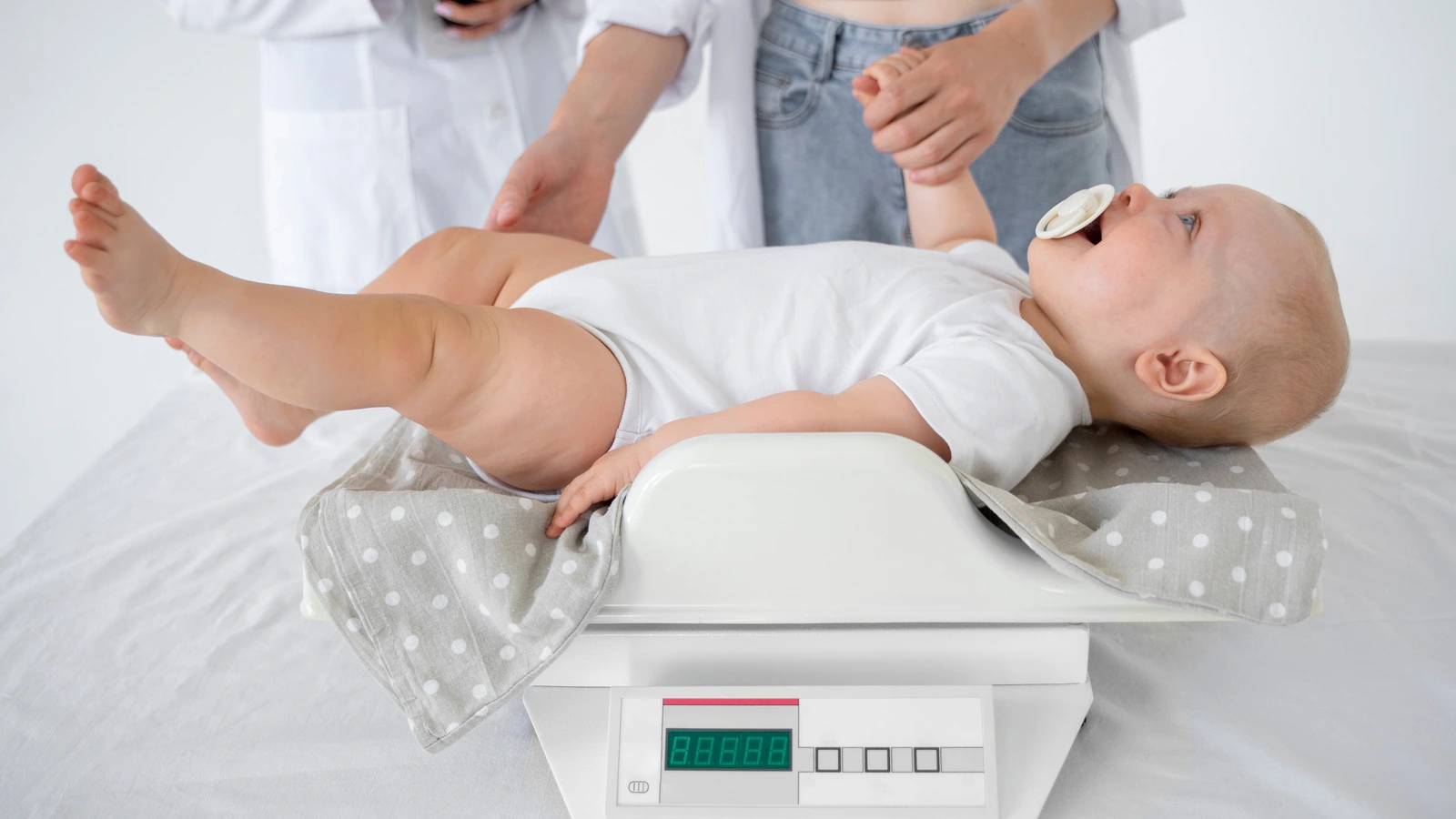
A growth spurt is a period of rapid physical and brain development that commonly occurs when babies are 7–10 days, 1–3 weeks, 6 weeks, 3 months, 6 months, and 9–12 months old. During this phase, parents should ensure their little one receives adequate nutrition while also making time to rest and recover themselves.
Have you ever noticed that your usually calm baby suddenly becomes extremely fussy and wants to nurse almost constantly, as though they are never full? While this sudden change can be exhausting, it is actually a natural sign that your little one is entering a growth spurt.
These behavioral changes often make first-time parents anxious, leading them to worry that something is wrong. In reality, this transition is a positive sign that your baby's body and brain are developing rapidly.
What Is a Growth Spurt?
A growth spurt is a short period during which a baby's body experiences rapid physical growth and accelerated brain development. During the first year of life, these phases typically last between two and seven days.
Medically, the significant changes in a baby's sleep patterns and mood during this period are linked to the release of Human Growth Hormone (HGH). This hormone is produced most effectively while babies are asleep, allowing bones and muscle tissues to grow rapidly.
Because their bodies are developing so quickly, babies may experience temporary discomfort or mild growing pains. As a result, they often become more sensitive, cry more easily, and seek constant comfort from their parents.
Although this phase can be exhausting for parents, you'll usually notice visible changes once it ends. Your baby may gain weight, grow taller, and even surprise you with new developmental milestones such as rolling over or beginning to crawl.
Read Also: A Complete Guide to Newborn Baby Length & How to Measure It
When Do Growth Spurts Occur in Babies?
Growth spurts generally follow a predictable pattern during a baby's first year. Knowing these important milestones can help parents prepare for the temporary changes in their baby's behavior.
1. 7–10 Days Old
The first growth spurt usually happens shortly after your baby comes home from the hospital. During this stage, your newborn works hard to regain the weight naturally lost in the first few days after birth.
A baby who normally sleeps for long stretches may suddenly wake every hour wanting breast milk or formula. Parents may also notice fuller cheeks and tighter-fitting diapers as their baby begins gaining weight.
2. 1–3 Weeks Old
At this stage, babies require significantly more energy and nutrients to support the development of their internal organs. Their head circumference and body length are also growing rapidly.
Many babies become unusually fussy in the late afternoon or evening and seem hungry all the time, making parents wonder if breast milk is enough. After a few tiring days, parents often notice that newborn-sized clothing has already become too small.
3. 6 Weeks Old
Around six weeks, a baby's nervous system becomes more mature, making them increasingly aware of their surroundings. This developmental leap can make babies feel overwhelmed by all the new stimulation they experience.
As a result, babies often become extra clingy and may cry immediately whenever they're laid down, preferring to be held throughout the day. Nursing frequency also increases dramatically due to cluster feeding, with some babies feeding 12–14 times per day, especially during the evening and nighttime.
4. 3 Months Old
By the time your baby reaches three months of age, the focus of their growth shifts toward rapid brain development, improving vision, and increased social interaction. Processing these new abilities requires a great deal of energy, causing babies to become more tired than usual.
For example, a baby who normally enjoys playing may suddenly appear sleepy, become fussy more easily, and show signs of fatigue much sooner. Their appetite also increases significantly because their rapidly developing brain requires additional nutrients.
5. 4 Months Old
The four-month mark is often considered one of the most challenging growth spurts for parents. This is because rapid physical growth frequently occurs alongside the 4-month sleep regression, a stage when a baby's sleep pattern temporarily becomes disrupted.
For instance, a baby who previously slept soundly through the night may suddenly begin waking every two hours while crying or fussing. During daytime feedings, they also become more easily distracted by surrounding sounds, causing them to compensate by feeding more frequently at night.
6. 6 Months Old
Around six months of age, growth spurts often coincide with a baby's readiness to begin complementary feeding (solid foods). At the same time, their gross motor skills develop rapidly to support increasing physical activity.
Your little one may become eager to roll over independently, learn to sit up, and even start crawling. Because these activities require much more energy, your baby may either nap longer during the day or need additional milk feedings between solid meals.
7. 9–12 Months Old
As your baby's first birthday approaches, their bones, muscles, and overall body coordination develop rapidly. This final major growth spurt of the first year prepares them for more advanced physical movements.
You may notice your little one becoming determined to pull themselves up, cruise along furniture, and even take their first independent steps. Since they expend so much energy exploring their surroundings, don't be surprised if both their appetite and milk intake increase significantly to replenish their energy.
Signs Your Baby Is Going Through a Growth Spurt
Parents can usually recognize a growth spurt by observing changes in their baby's daily habits. Here are the most common signs to look for.
1. Increased Feeding Frequency
One of the clearest signs is a sudden increase in your baby's appetite, causing them to want milk much more often than usual. For example, if your baby normally feeds every three hours, they may suddenly want to nurse or take a bottle every hour.
2. Feeding "Drama"
Because they're extra hungry, babies may repeatedly latch and unlatch from the breast or bottle while fussing or crying. This usually happens because the milk flow doesn't seem fast enough to satisfy their increased appetite—not because your breast milk supply is insufficient.
3. Changes in Sleep Patterns
Rapid physical growth requires a great deal of energy, often causing noticeable changes in your baby's sleep schedule. Some babies may sleep up to four or five hours longer than usual to recover, while others may wake much more frequently throughout the night.
4. Increased Fussiness
The discomfort associated with rapid bone and muscle growth can make babies much more sensitive and prone to crying for no obvious reason. They may cry immediately when placed in their crib because they crave the comfort and security of being held.
5. Faster Weight and Length Gain
Once the growth spurt has passed, parents often notice obvious physical changes. Their baby may gain weight more quickly than usual, grow noticeably taller, and suddenly outgrow clothes that fit only a few days earlier.
Tips for Managing a Baby's Growth Spurt
Although growth spurts can be physically and emotionally demanding, understanding your baby's needs can make this phase much easier to manage. Here are some practical tips to help both you and your little one get through it comfortably.
1. Feed Your Baby on Demand
Instead of limiting or strictly scheduling feedings, offer breast milk or formula whenever your baby shows signs of hunger. For example, if your little one suddenly wakes up crying from hunger during the night, feed them promptly rather than waiting for their usual feeding schedule.
2. Prioritize Quality Nighttime Sleep
A good night's sleep is essential for healthy growth and development, so creating a calm and comfortable sleeping environment is important. Parents can dim the lights, play white noise, and use a highly absorbent diaper such as MAKUKU Grow Care to help prevent leaks and keep their baby dry throughout the night.
3. Comfort Your Fussy Baby
When your baby becomes fussy due to growing discomfort or fatigue, providing extra physical comfort can help soothe their sensitive nervous system. Try skin-to-skin contact, gently rocking your baby, or giving them a relaxing baby massage before bedtime.
4. Increase Solid Food Portions (For Babies 6 Months and Older)
If your baby is already six months old or older, you can adjust the amount or frequency of complementary foods to meet their increased energy needs. Nutritious snacks such as mashed avocado or baby biscuits between regular meals can also help keep your little one satisfied for longer.
5. Take Care of Yourself
Caring for a baby during a growth spurt can be exhausting, so your own physical and mental well-being should remain a priority. Keep a large bottle of water and healthy snacks nearby while nursing to stay hydrated and energized, especially during periods of frequent or cluster feeding.
6. Share Parenting Responsibilities with Dad
You don't have to handle everything on your own. Communicate openly with Dad and divide childcare responsibilities during this demanding phase. Dad can help by holding and soothing the baby, changing diapers at night, or taking over other caregiving tasks so Mom can get some much-needed rest.
Read Also: 6 Tips to Stimulate Your Baby's Tooth Growth
Conclusion
Growth spurts are a natural part of your baby's development, signaling periods of rapid physical growth and brain development. During these phases, babies often feed more frequently, experience changes in their sleep patterns, become fussier, and seek extra comfort from their parents.
Although growth spurts can be tiring and challenging, they are an encouraging sign that your baby's body and brain are developing healthily. The key to navigating this stage successfully is ensuring your little one receives adequate nutrition and enjoys restful, uninterrupted sleep so their growth hormones can work effectively.
To support better sleep during this important stage, parents can rely on MAKUKU Grow Care. Featuring double-layer absorbent technology, it locks in moisture more effectively and keeps the diaper surface dry for longer, helping prevent overnight leaks and ensuring your baby stays comfortable throughout the night.
Support your little one's precious growth journey by giving them the comfort of MAKUKU Grow Care today!
FAQs
1. Is a growth spurt the same as sleep regression?
No. A growth spurt refers to a period of rapid physical and developmental growth, while sleep regression is a temporary disruption in a baby's sleep pattern that usually occurs during specific developmental milestones.
2. Do all babies experience growth spurts?
Yes. Most babies go through growth spurts, although the timing and signs may vary from one child to another.
3. How long does a growth spurt usually last?
A growth spurt typically lasts anywhere from a few days to about one week.
4. Can a growth spurt cause a fever?
No. Growth spurts do not usually cause fever. If your baby develops a fever, consult a healthcare professional to determine the underlying cause.
5. Do growth spurts affect my baby's weight?
Yes. Growth spurts are commonly followed by noticeable increases in both your baby's weight and length.
6. What are the benefits of MAKUKU Grow Care during a growth spurt?
MAKUKU Grow Care features a double-layer absorbent design that locks in moisture more effectively, reducing the risk of leaks while helping keep your baby comfortable throughout the day and night.
7. Is MAKUKU Grow Care suitable for overnight use?
Yes. Its enhanced absorbency helps keep the diaper surface dry for longer, providing lasting comfort and supporting your baby's uninterrupted sleep through the night.