Inguinal hernia in babies is a condition where part of a tissue or organ protrudes through a gap in the groin area, causing a lump that needs to be examined, while daily comfort remains important to maintain with gentle products like MAKUKU Skin Health diapers.
Moms, your baby's health can often be a source of worry, especially when you notice an unusual lump on your little one's body. One condition that occurs fairly often in babies is inguinal hernia. While it may sound alarming, this condition is actually quite common in babies, particularly baby boys.
Inguinal hernia in babies needs to be identified early because it can lead to complications if not treated properly. It is therefore important for Moms to understand what inguinal hernia is, what the symptoms are, and how it is managed.
What Is an Inguinal Hernia in Babies?
An inguinal hernia is a condition where part of an internal abdominal organ — such as the intestine — protrudes outward through a gap in the lower abdominal wall or the groin (inguinal) area. In babies, this condition typically appears as a lump in the groin area or scrotum.
An inguinal hernia can appear from birth due to a gap in the abdominal wall that has not fully closed, allowing tissue from inside the abdomen to protrude outward. This condition is often visible as a lump in the groin that becomes more noticeable when the little one is crying, coughing, or straining.
Symptoms of Inguinal Hernia to Watch For
Symptoms of inguinal hernia in babies can vary from child to child. However, there are several common signs that can serve as clues for Moms.
1. A Lump in the Groin Area
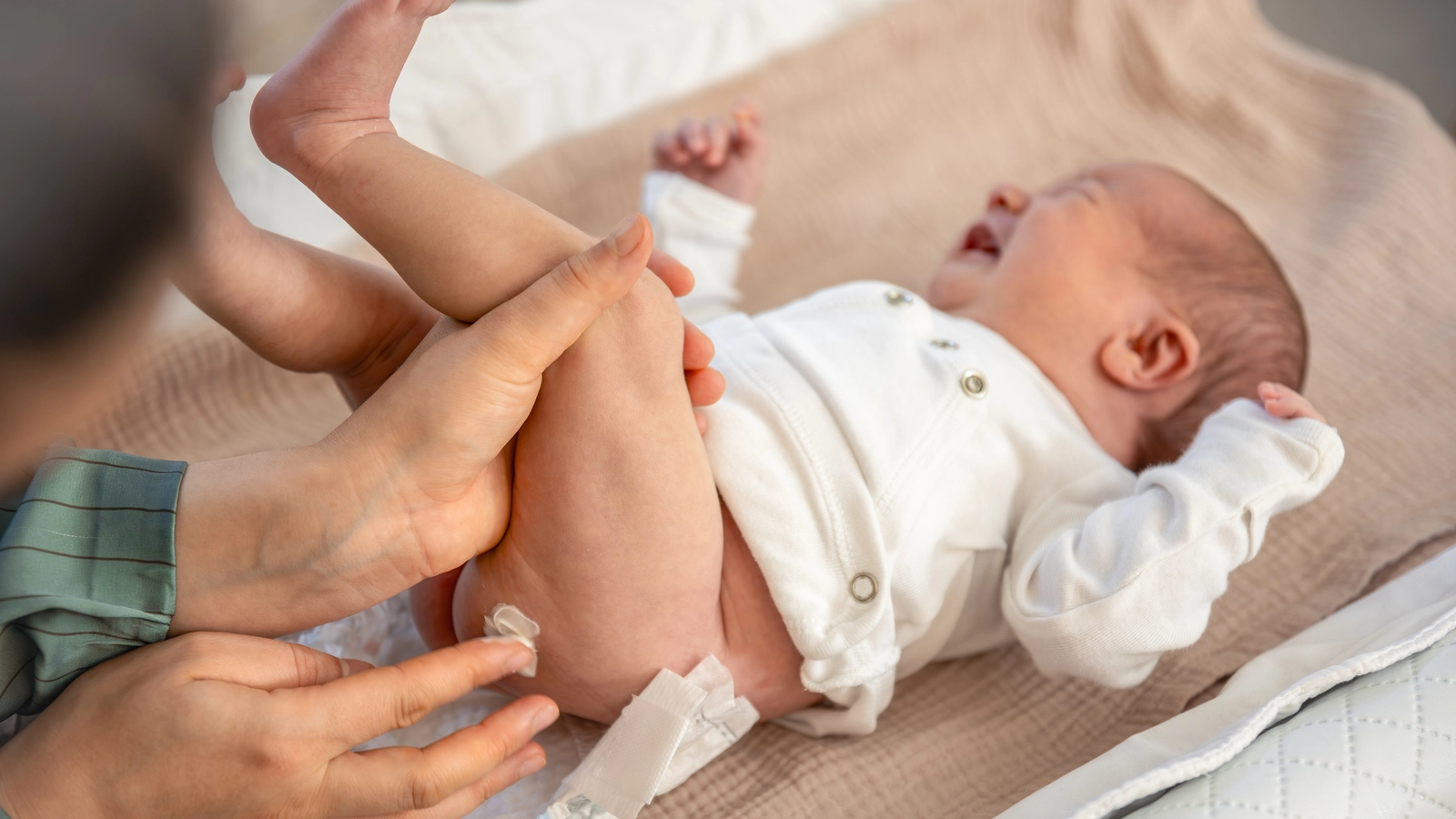
The most common symptom of inguinal hernia is the appearance of a lump in the groin or around the baby's genitals. This lump is usually more visible when the baby is crying or actively moving. In some cases, the lump may shrink or even disappear when the baby is lying down or calm.
2. Baby Appears Uncomfortable
Some babies may appear fussy or uncomfortable when the herniated area feels painful. This usually occurs when the lump becomes larger or when there is pressure on the surrounding tissue.
3. Swelling in the Scrotum
In baby boys, an inguinal hernia can also cause swelling in the scrotum. This happens because the protruding tissue or intestine enters the testicular sac. If Moms notice unusual swelling in this area, it is best to consult a doctor promptly.
Causes of Inguinal Hernia in Babies
Inguinal hernia in babies generally occurs due to incomplete development of the baby's body during pregnancy. The following factors may contribute to its occurrence.
1. The Inguinal Canal Does Not Close Completely
During pregnancy, baby boys have a canal connecting the abdominal cavity to the scrotum. After the testicles descend into the scrotum, this canal is supposed to close. However, in some babies, the canal does not close completely, allowing tissue from inside the abdomen to protrude and form a hernia.
2. Premature Birth
Premature babies have a higher risk of developing inguinal hernia because their organs and body tissues are not yet fully mature at birth.
3. Family History
In some cases, inguinal hernia can also be influenced by genetic factors or a family history of the same condition.
Risks and Complications of Inguinal Hernia
Although many cases of inguinal hernia do not cause serious symptoms, the condition still requires medical attention as it can lead to complications.
1. Incarcerated Hernia
One possible complication is an incarcerated hernia, which occurs when the protruding tissue cannot return to the abdominal cavity. If this happens, the baby may feel pain and the lump may become firm.
2. Disrupted Blood Flow
In more serious cases, the trapped tissue may experience disrupted blood supply. This is called a strangulated hernia and constitutes a medical emergency. If not treated immediately, the trapped tissue can become damaged.
Treatment of Inguinal Hernia in Babies
Moms, inguinal hernia in babies generally requires medical treatment. The doctor will determine the appropriate course of action based on your little one's condition.
1. Examination by a Doctor
The first step is a physical examination by a pediatrician or pediatric surgeon. The doctor will typically evaluate the size of the lump and the baby's overall condition. In some cases, additional tests such as an ultrasound may be performed to confirm the diagnosis.
2. Hernia Surgery
The primary treatment for inguinal hernia in babies is typically a minor surgical procedure to close the gap in the abdominal wall. This is a fairly common procedure in babies with a high success rate. Surgery is usually performed to prevent complications such as an incarcerated hernia.
3. Monitoring After the Procedure
After surgery, babies can usually recover quickly. The doctor will provide care guidelines to ensure the healing process goes smoothly. Moms also need to monitor the little one's condition and consult the doctor again promptly if any unusual symptoms appear.
Inguinal hernia in babies occurs when tissue from inside the abdomen protrudes through a gap in the groin area, typically appearing as a lump when the baby cries or moves. The condition is quite common, but still needs to be checked by a doctor for proper treatment and to prevent the risk of complications.
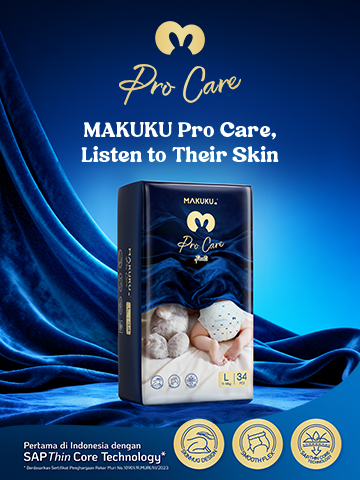
In addition to monitoring your little one's health, maintaining skin comfort is also important in supporting daily activities and the recovery process. MAKUKU Skin Health is a diaper with an adaptive raised cushion that helps reduce contact with the skin by up to 50%, making it ideal for accompanying your little one for up to 12 hours.
Your little one will also be free from irritation — MAKUKU Skin Health has undergone rigorous dermatological testing in Germany by Dermatest GmbH, an independent internationally-accredited institution. Your little one can move around more freely with skin that stays dry, healthy, and comfortable all day long.
FAQ
1. Is inguinal hernia more common in baby boys?
Yes. This condition is more common in baby boys due to the process of the testicles descending from the abdomen into the scrotum during fetal development.
2. Can inguinal hernia in babies heal without surgery?
Most cases of inguinal hernia cannot heal on their own and generally require surgery to close the gap in the abdominal wall.
3. At what age can a baby undergo hernia surgery?
Hernia surgery can be performed as soon as a diagnosis is made, especially if the doctor assesses that there is a risk of complications.
4. Can a baby resume normal activities after hernia surgery?
Most babies can return to normal activities after a brief recovery period, in accordance with the doctor's recommendations.
5. Can inguinal hernia occur on both sides of the groin?
Yes. Although it more commonly occurs on one side, inguinal hernia can also appear on both sides of the groin.
6. Are MAKUKU diapers thin yet still highly absorbent?
Yes. MAKUKU diapers are designed to be ultra-thin while maintaining high absorbency to keep baby comfortable and free to move.
7. Are MAKUKU diapers suitable for nighttime use?
Absolutely. Their absorbency helps keep baby dry throughout the night for more comfortable sleep.