Phlegm in babies is often difficult to expel because their airways are still narrow and their cough reflex is not yet perfect. Therefore, Moms can help alleviate it safely while ensuring the comfort of your little one by using MAKUKU Skin Health.
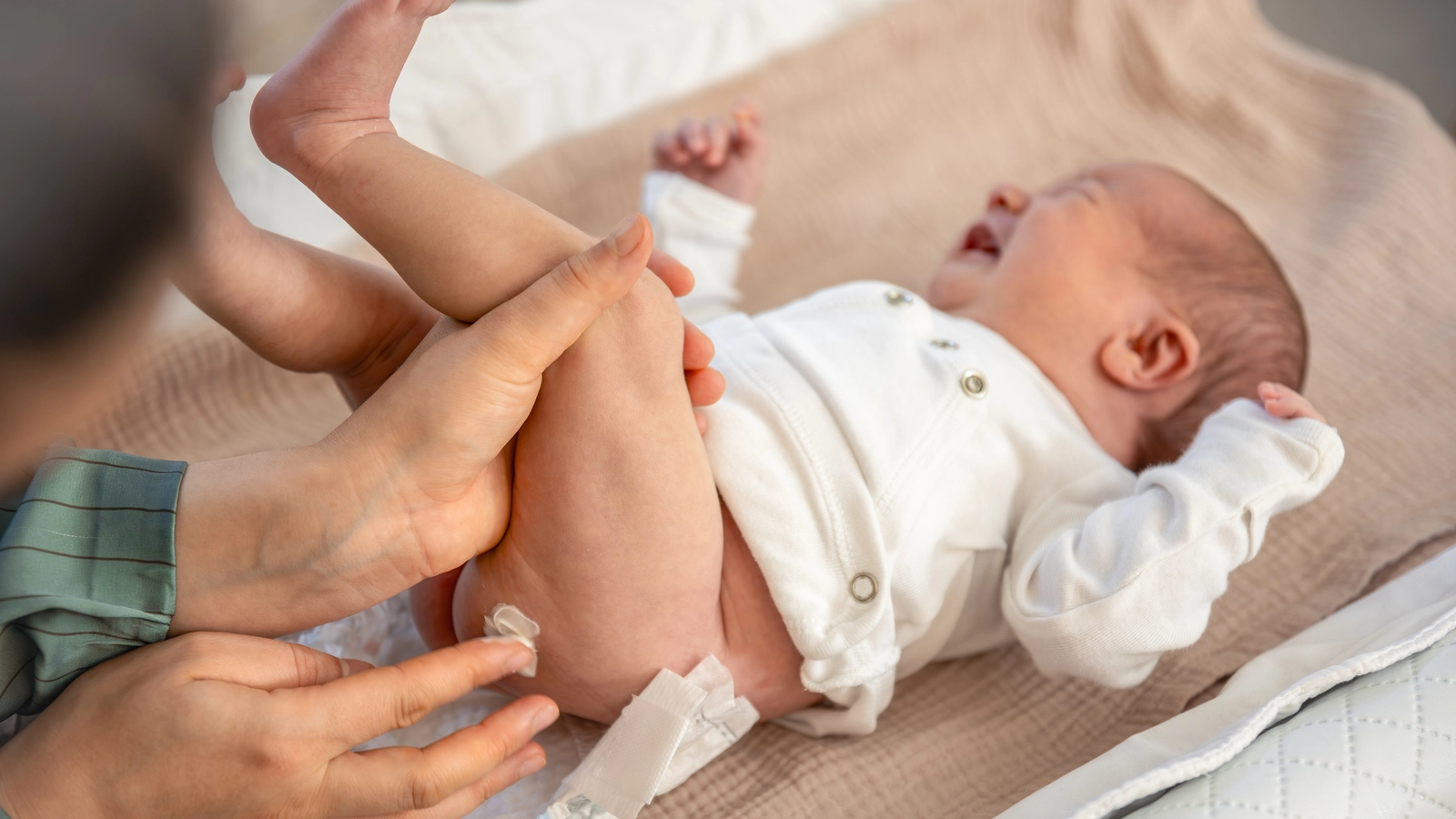
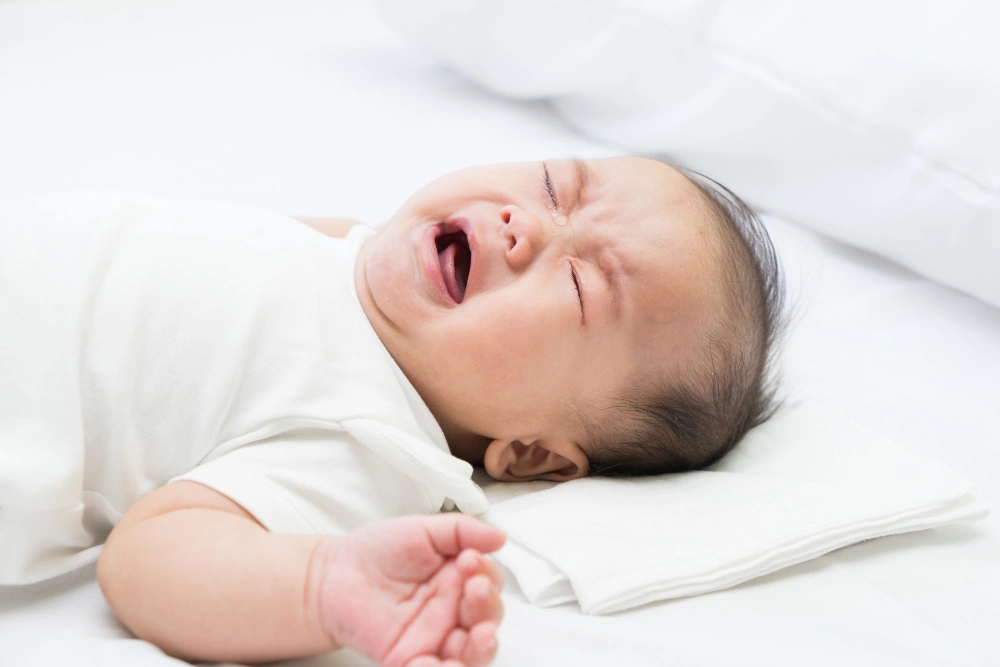
When your little one has a cold or cough, you may notice mucus or phlegm in their throat. This condition often causes the baby to make sounds like "grook-grook," their breathing feels heavy, or they become fussier due to discomfort.
The problem is that babies are not yet able to cough or expel phlegm effectively like adults. As a result, mucus often gets trapped in the airways, making it difficult for the little one to breathe freely. Therefore, it's important for Moms to know the causes of phlegm in babies and how to help expel it safely.
Why Does Phlegm Appear in Babies?
Phlegm in babies is usually a natural response of the body to irritation or infection in the respiratory tract. This mucus actually helps trap germs, dust, or other particles to prevent them from entering further into the lungs. However, when mucus production increases, phlegm can accumulate and make the baby feel uncomfortable.
1. Respiratory Tract Infection
Salah satu penyebab paling umum dahak pada bayi adalah infeksi saluran pernafasan, seperti flu atau batuk pilek. Infeksi ini menyebabkan tubuh memproduksi lebih banyak lendir untuk melawan virus atau bakteri. Ketika lendir menumpuk di tenggorakan atau hidung, bayi bisa mengalami hidung tersumbat, batuk, suara nafas yang terdengar berat.
According to National Health Service (NHS)According to the National Health Service (NHS), coughing in infants and children often occurs because mucus from the nose flows to the back of the throat during a cold, prompting the body to expel it through the cough reflex.
2. Allergy or Irritation
Exposure to dust, cigarette smoke, or air pollution can also trigger irritation in a baby's respiratory tract. The body then produces mucus as a protective mechanism. In some babies, environmental allergies can also increase phlegm production.
3. The Baby's Respiratory System is Still Sensitive
A baby's airways are still very small and sensitive. Even a little mucus can feel bothersome and make a baby's breathing sound heavier compared to adults. Therefore, phlegm that is not actually too much can make the little one appear uncomfortable.
Why Is Phlegm in Babies Difficult to Expel?
Moms may wonder why phlegm in babies is often difficult to expel. This is related to the development of the respiratory system and the limited reflex abilities of babies.
1. Babies Cannot Cough Effectively Yet
Coughing is the body's natural way to expel mucus from the respiratory tract. However, in infants, the cough reflex has not fully developed. As a result, phlegm is not easily expelled and can remain in the throat.
2. Airway Still Narrow
A baby's airway is much smaller compared to an adult's. This condition makes mucus accumulate more easily and difficult to move out. This is why babies with colds often sound like they have a lot of phlegm.
3. Respiratory Muscles Not Strong Yet
Babies still have respiratory muscles that are not as strong as those of older children. This makes the process of coughing or expelling mucus less effective. Therefore, babies often need simple assistance from parents to help the mucus come out more easily.
Safe Ways to Expel Phlegm in Babies
If your little one is experiencing phlegm that makes them uncomfortable, there are several safe ways Moms can do at home to help expel it.
1. Keeping Babies Hydrated
Fluids help thin mucus so that phlegm can be expelled more easily. If the baby is still breastfeeding, Moms can provide breast milk more frequently than usual. Breast milk not only helps thin the mucus but also contains antibodies that support the baby's immune system.
2. Using Warm Steam
Inhaling humid air can help loosen mucus in a baby's respiratory tract. Moms can take the little one to a bathroom filled with warm steam from hot water for a few minutes. The humid air helps make the phlegm thinner, making it easier to expel.
3. Gently Patting the Baby's Back
The technique of gently patting a baby's back can help move mucus from the airways. To do this, position the baby face down on Moms' lap and then gently pat their back using a slightly cupped palm. This technique is often used to help loosen phlegm.
4. Using Saline Solution for the Nose
If the phlegm comes from mucus in the nose that drips down the throat, Moms can use a special baby saline solution to help clear the nose. This solution helps soften the mucus, making it easier to remove using a baby mucus suction tool.
Things to Consider When Your Baby Has Phlegm
Although phlegm in babies is common and usually not dangerous, there are still some things that Moms need to pay attention to.
1. Pay Attention to Signs of Shortness of Breath
If the baby appears to be breathing rapidly, with flaring nostrils, or the chest seems to be drawn in while breathing, this condition could be a sign of respiratory distress. If you notice these signs, it is advisable to take the baby to the doctor immediately.
2. Avoid Giving Medication Carelessly
Cough medicine or expectorants are not always safe for babies, especially without a doctor's recommendation. Therefore, it is advisable to consult first before giving any medication to your little one.
3. Pay Attention to Symptom Duration
If phlegm is accompanied by a high fever, refusal to breastfeed, or persists for more than a few days without improvement, Moms should consult a medical professional. Further examination may be necessary to ensure there is no more serious infection.
Phlegm in babies is a fairly common condition, especially when the little one has a cold or respiratory infection because their airways are still narrow and their coughing ability is not yet optimal. By understanding the causes, moms can help alleviate it through simple methods such as keeping the baby hydrated, providing warm steam, and gently loosening the mucus.

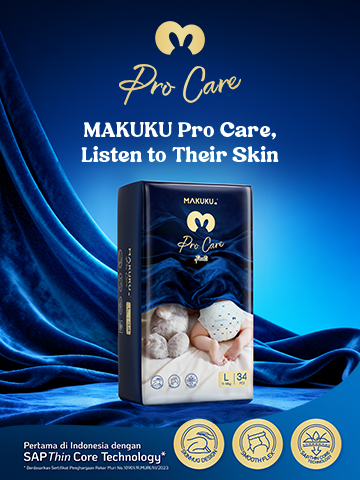
When your little one is not feeling well, keeping their skin comfortable is also important to ensure they remain calm throughout the day. Diapers MAKUKU Skin Health When your little one is not feeling well, keeping their skin comfortable is also important to ensure they remain calm throughout the day. MAKUKU Skin Health diapers feature adaptive embossed padding, reducing contact with the skin by up to 50%. Suitable for accompanying your little one for up to 12 hours. MAKUKU Skin Health is proven to be irritation-free, having undergone rigorous dermatological testing in Germany.
FAQ
1. Does phlegm in babies always indicate an infection?
Not always. Phlegm can also appear due to mild irritation, dry air, or a reaction to dust and pollution.
2. Can babies sleep with their heads elevated when they have phlegm?
For small babies, it is advisable not to use pillows. The safe sleeping position remains on their back on a flat surface.
3. Is it safe to use a humidifier for a baby with phlegm?
Humidifiers can help maintain air humidity so that mucus in the baby's nose can be expelled more easily.
4. Can baby massage help reduce phlegm?
Some light massage techniques can help babies relax more and support breathing, but they must still be done correctly.
5. Can cold air worsen phlegm in babies?
Air that is too cold or dry can make mucus thicker, causing the baby to feel more uncomfortable.
6. How do you choose the right size of MAKUKU diapers?
Moms can adjust the diaper size based on the baby's weight listed on the packaging.
7. Is the MAKUKU diaper easy to dispose of after use?
Yes. Some variants of MAKUKU diapers have disposal tape that makes it easier for Moms to dispose of used diapers.