Have moms and dads ever heard of hives? Yes, hives are a skin issue that can be experienced by anyone, from babies to adults. According to the American College of Allergy Asthma and Immunology, about 20% of adults are estimated to have experienced hives. In fact, 15% of them have experienced hives since childhood. So, what exactly are hives? Check out the full explanation below.
What is Hives?
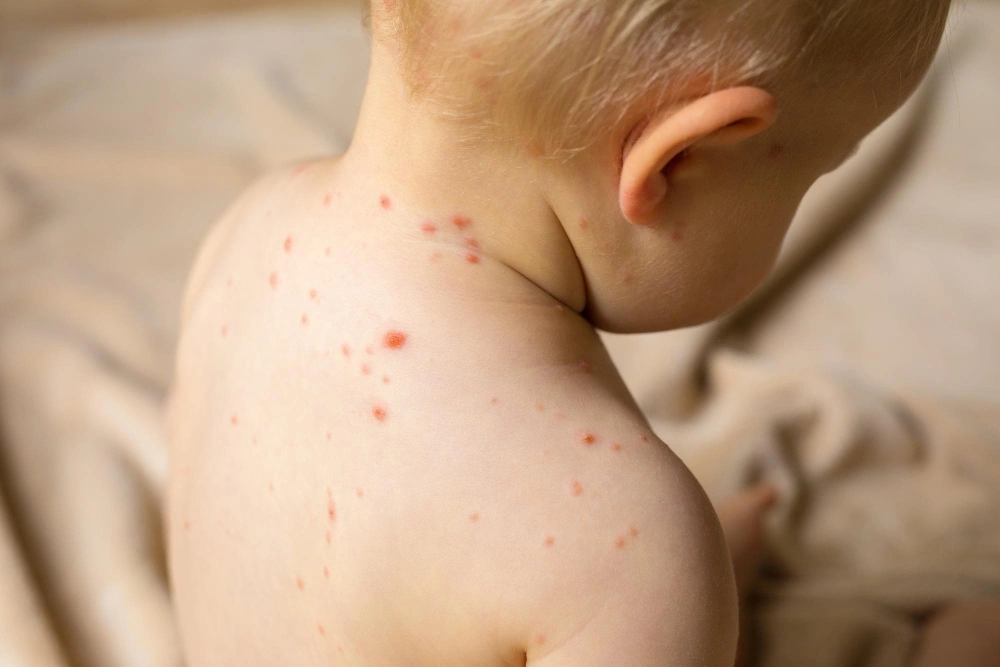
Hives, also known as urticaria in medical terms, is a skin condition characterized by the appearance of red, raised, itchy welts on the skin's surface. Hives often appear as reddish bumps that can occur in one specific area or spread to several parts of the body, including the face, hands, ears, lips, neck, and tongue.
Hives themselves are divided into two types, namely acute hives and chronic hives. Acute hives usually last less than six weeks, while chronic hives can persist on the skin for more than 6 weeks. The chronic type of hives can be associated with immune issues or other serious diseases such as thyroid, hepatitis, and cancer.
Causes of Hives
Hives can be caused by high levels of histamine released by the immune system, which causes blood vessels to dilate. However, hives can also be caused by various factors, both internal and external. Here are some common causes of hives:
Food Allergy
Food allergies cause hives through a complex immunological mechanism involving the immune system. In allergic individuals, the immune system mistakenly identifies proteins in food as a threat. Certain foods like nuts, shellfish, eggs, and milk can trigger allergic reactions that lead to hives.
Drug Allergy
Drug allergies can cause hives through a mechanism similar to food allergies, which is an excessive immunological reaction to substances that should not be harmful. Drug allergies cause hives through the release of histamine and other chemicals from mast cells and basophils, triggered by the immune response to drug components. This response results in symptoms involving the skin, such as rashes, itching, and swelling known as hives. Certain medications like antibiotics, aspirin, and ibuprofen can trigger hives in some people.
Insect Bites
Insect bites or stings can cause allergic reactions that result in hives. Insect bites can lead to hives due to the body's reaction to chemicals or proteins injected by the insect when biting or stinging. When insects such as mosquitoes, bees, wasps, or ticks bite or sting, they inject certain substances into the skin. These substances can be proteins in the insect's saliva or toxins from the insect's sting. The body recognizes these substances as foreign objects and initiates an immune response to combat them.
Chemical Exposure
Chemicals in detergents, soaps, or baby care products can cause skin irritation and trigger hives. Some of these substances are found in cleaning products and baby care products that can directly irritate the skin. The reaction on the skin can be irritation, leading to inflammation, which can cause swelling, redness, and itching known as irritant contact dermatitis.
In some people, the immune system can develop sensitivity to certain chemicals after repeated or prolonged exposure. This means the immune system recognizes the substance as an allergen.
Infection
Beberapa infeksi virus atau bakteri bisa menyebabkan biduran sebagai bagian dari respons imun tubuh. Infection virus atau bakteri memicu respons imun yang melibatkan pelepasan berbagai sitokin, termasuk histamin. Selain itu, sistem kekebalan anak mungkin bereaksi terhadap antigen dari virus atau bakteri dengan cara yang berlebihan, menyebabkan reaksi hipersensitivitas. Jika biduran berlanjut atau disertai dengan gejala serius seperti kesulitan bernapas, pembengkakan wajah atau bibir, atau demam tinggi, segera cari bantuan medis.
Stress
Stress emosional dapat memicu atau memperburuk biduran pada beberapa orang termasuk anak-anak. Stress emosional dapat memicu atau memperburuk biduran pada anak yang melibatkan interaksi kompleks antara sistem saraf, hormon, dan sistem kekebalan tubuh. Stress emosional memicu tubuh untuk melepaskan hormon stres seperti kortisol dan adrenalin. Hormon-hormon ini mempengaruhi berbagai sistem dalam tubuh, termasuk sistem kekebalan dan kulit.
Children who experience hives often feel uncomfortable and itchy, which can increase their stress levels. So, moms can give extra attention and do things that the little one likes to make them feel better. Also, ensure the little one gets enough rest.
Environmental Factors
Paparan suhu ekstrim, baik panas maupun dingin, serta sinar matahari langsung bisa menyebabkan biduran pada anak. Karena ketika anak terpapar panas, seperti saat berolahraga, mandi air panas, atau berada di lingkungan yang panas, tubuh meningkatkan suhu inti dan mulai berkeringat. Peningkatan suhu tubuh memicu pelepasan asetilkolin, neurotransmiter yang dapat merangsang sel mast di kulit. Sel mast yang terstimulasi melepaskan histamin, yang menyebabkan pembuluh darah di kulit melebar dan bocor, sehingga menyebabkan pembengkakan, kemerahan, dan gatal yang khas pada biduran.
Hives Symptoms
The symptoms of hives are very distinctive and easy to recognize. Some common symptoms include raised red welts on the skin, often round or oval in shape. The welts are usually accompanied by intense itching. Hives can also move from one place to another, disappearing from one area and appearing in another within a short time. Each welt typically appears for several hours to a day before disappearing, but can reappear in a different area. Hives sufferers need immediate medical attention if hives appear accompanied by other symptoms, such as dizziness, swelling in the mouth and eyes, shortness of breath, and weakness.
How to Treat Hives
Treating hives depends on the cause and its severity. Here are some common ways to treat hives:
- Antihistamines such as loratadine, cetirizine, and fexofenadine are often used to reduce itching and rashes.
- For more severe cases of hives, the doctor may prescribe oral or topical corticosteroids to reduce inflammation.
- Identify and avoid triggers such as certain foods, medications, or environmental factors that can cause hives.
- Applying a cold compress to the affected area can help reduce itching and swelling.
- Wearing loose and soft clothing can reduce irritation on skin affected by hives.
- Lotion or cream containing calamine or menthol can provide a cooling effect and reduce itching.
- Some people find that natural remedies such as oatmeal baths or using aloe vera can help alleviate hives symptoms.
By understanding what hives are, their causes, symptoms, and how to treat them, moms and dads can be better prepared to deal with this condition and take appropriate steps to reduce discomfort and speed up recovery. (Aq/MKK)