Skin issues in children, such as diaper dermatitis (diaper rash) and atopic dermatitis, often confuse parents. This is because the symptoms that appear are usually very similar and difficult to distinguish. MAKUKU, together with pediatrician Dr. Adila Nurhadiya, Sp.A, from Oetomo Hospital, thoroughly discussed the differences between diaper dermatitis and atopic dermatitis in an Instagram Live session themed "All About Atopic Dermatitis on Baby's Skin" on Thursday, February 22, 2024.
Differences Between Diaper Rash and Atopic Dermatitis
Antara ruam popok atau dermatitis popok dengan dermatitis atopik tentu berbeda. Dr. Adila menjelaskan, dermatitis atopic merupakan peradangan pada kulit yang termasuk penyakit kulit kronis yang bisa diturunkan dari salah satu orangnya. Sedangkan dermatitis popok merupakan peradangan kulit akibat popok karena bahan popok yang mengandung iritan ataupun produk perawatan kulit yang menyebabkan peradangan.
Causes of diaper rash and atopic dermatitis
Atopic dermatitis is a complex disorder due to internal and external factors. Dr. Adila explains that the internal causes of atopic dermatitis are within the child themselves, such as:
- Genetic traits inherited from their parents.
- Having sensitive skin
- The presence of an imbalance in immune system regulation
Meanwhile, external causes that trigger the onset of atopic dermatitis include the environment, irritants from soap, antiseptics to hand sanitizers, airborne allergens, dust, food, and extreme temperature changes. If these two factors meet, it will cause atopic dermatitis. Damage to the skin and water on the skin will evaporate more, making the skin scaly and dry.
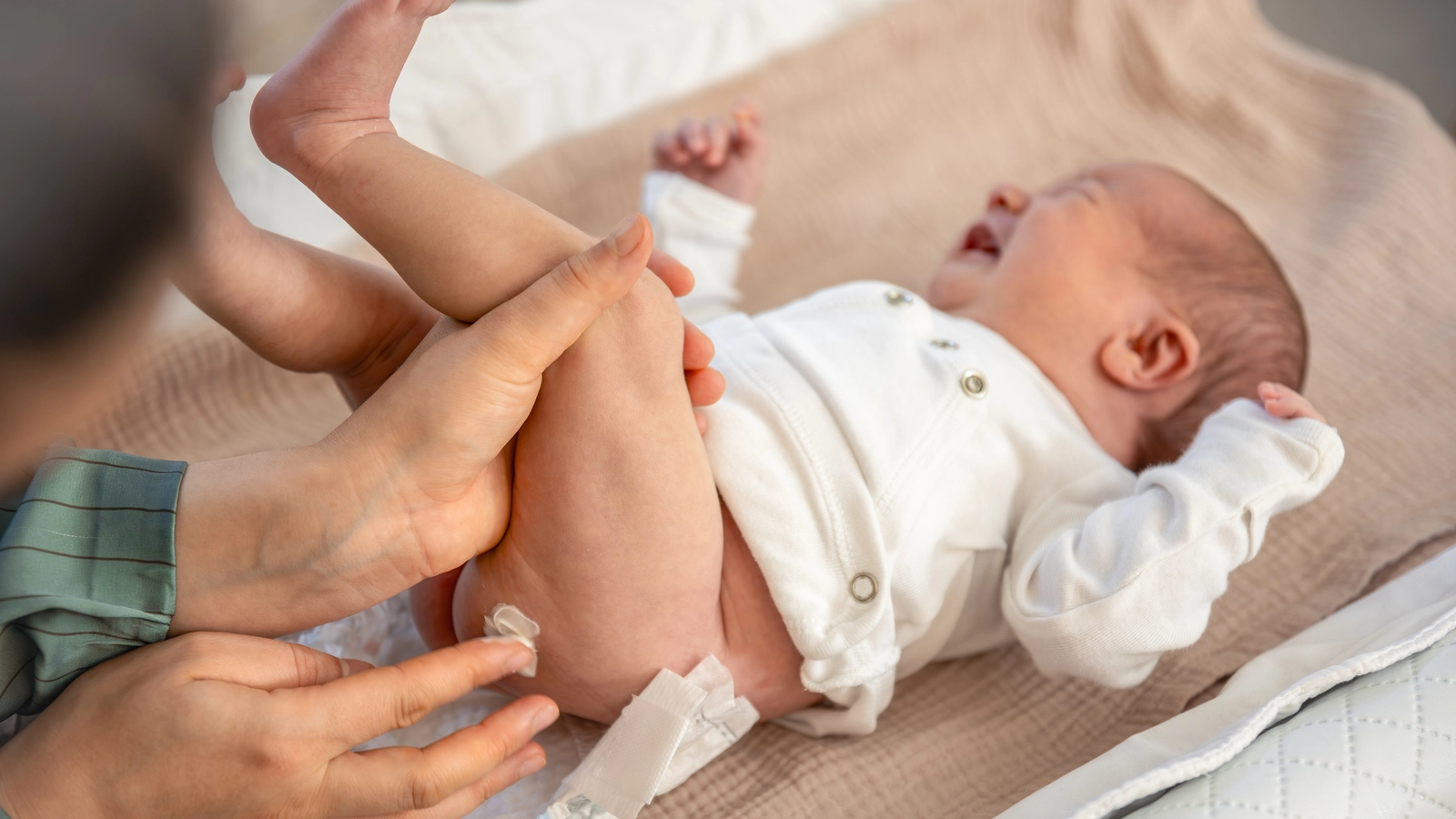
The causes of diaper rash are usually due to infrequent diaper changes, prolonged skin contact with waste such as feces and urine, and incorrect diaper size (too small or too large).
To detect atopic dermatitis, there is a specific examination. Usually, medical personnel will provide several allergens such as cat fur and certain types of food for trial and error. This aims to determine the cause of the skin problem occurring in the little one.
Symptoms of atopic dermatitis in children
The symptoms of atopic dermatitis are very distinctive. Dr. Adila explains that the symptoms of atopic dermatitis can be recognized from several behaviors of the little one, such as frequently scratching their itchy body, especially at night. The little one becomes more fussy before bedtime and there is a red rash on the skin.
Can atopic dermatitis in children be cured?
Atopic dermatitis indeed does not completely heal and is a particular concern for parents. What parents can do is prevent the atopic dermatitis from recurring. According to Dr. Adlia, this can be done by identifying and avoiding allergens or allergy triggers in the child. She added that atopic dermatitis begins to appear in early growth stages above 5 years old. Then, there is improvement during adolescence, and about 5% of children with atopic dermatitis may experience a recurrence in adulthood.
How to Prevent Atopic Dermatitis in Children
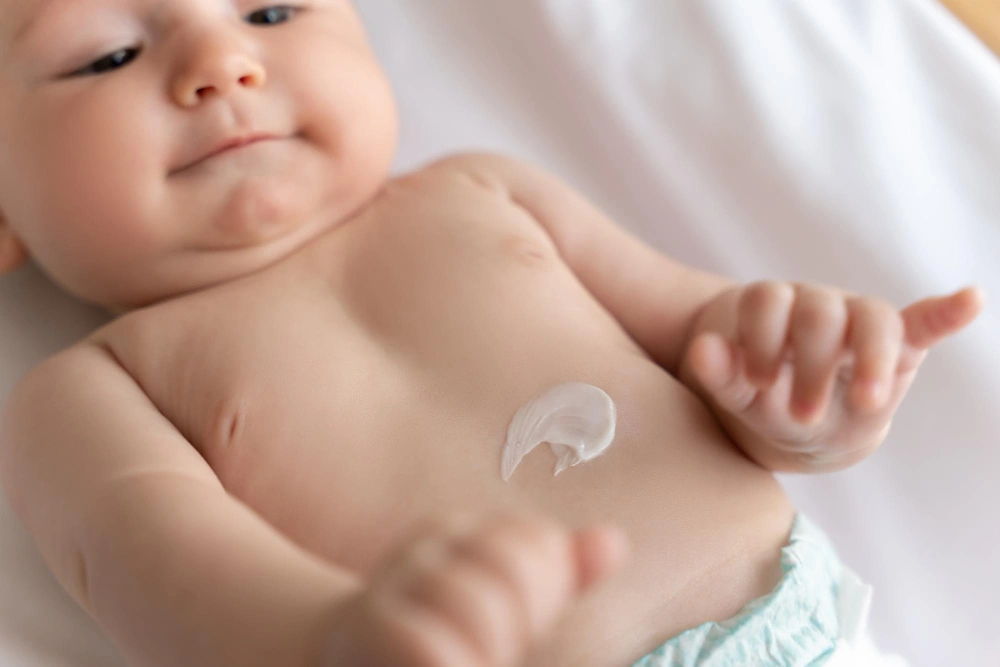
Moms and dads can apply moisturizer at least three minutes after bathing and continuously reapply it on the little one's skin if it starts to feel dry. Do not let the little one scratch the skin until it bleeds. Because if there are open wounds on the little one's skin, bacteria and fungi can enter more easily, causing pus. If the condition is that severe, antibiotics will certainly be needed.
Also pay attention to the little one's food intake and also the food moms consume if still breastfeeding. Foods containing cow's milk products such as yogurt, milk, butter, nuts, and seafood can trigger allergies in children. Likewise, the nutrients produced by the mother's breast milk must be considered.
Selain itu, gunakan moisturizer atau pelembab untuk si kecil yang mengandung niacinamide, panthenol dan gliserin dapat meningkatkan ketahanan kulit si kecil. Usahakan si kecil menggunakan sabun mandi dengan pH yang balance sekitar 5-6.
And, limit the little one's bath time to about 15 minutes with water that should not be hot or too cold. Because the longer the little one bathes, the more it can dry out their skin. (Aq/MKK)