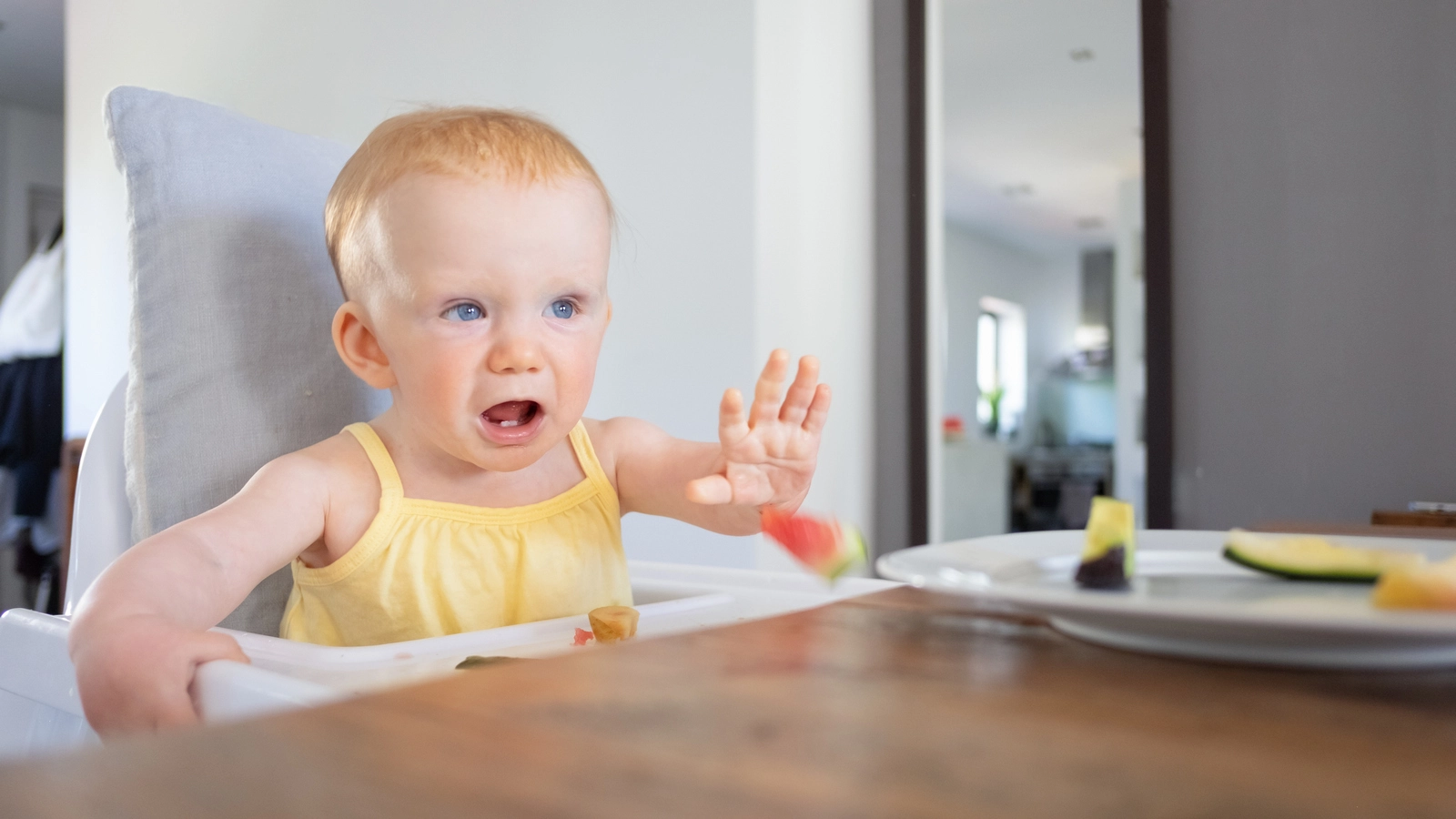
A picky eater is a child who only wants to eat certain foods or refuses new foods based on their taste, texture, color, or aroma. This behavior is quite common during childhood, but it should be monitored if the child's food choices are very limited, affect nutritional intake, or interfere with growth.
Is your little one only willing to eat certain foods or immediately refusing anything new? This can often make Moms worried, especially when it seems difficult for their child to eat a varied diet.
This behavior is often referred to as picky eating. Although it is quite common among children, Moms should still understand its possible causes and how to manage it so that their little one's nutritional needs can continue to be met.
What Is a Picky Eater?
A picky eater is a child who is excessively selective about food or refuses certain foods. They may have a very limited list of foods they are willing to eat and be reluctant to try anything new.
This behavior is quite common among little ones, particularly during the stage when they begin developing independence and their own food preferences. Some children may also be more sensitive to the taste, texture, aroma, or appearance of food.
In many cases, the picky-eating phase can be temporary and does not necessarily cause health problems. However, it should be monitored if your little one's food choices become very limited or begin to affect their growth and health.
Signs of a Picky Eater
Every child may display different eating behaviors. However, the following habits can be signs that a child is a picky eater.
1. Only Wants to Eat Certain Foods
A picky eater usually has favorite foods that they want to eat repeatedly. Your little one may refuse other foods even if they previously enjoyed them.
Limited food choices can make it difficult for Moms to provide a varied menu. However, avoid immediately forcing your little one to eat, as this can create a negative eating experience.
2. Refuses or Is Reluctant to Try New Foods
Your little one may feel afraid or reluctant to try unfamiliar foods. This is often referred to as food neophobia, or the tendency to reject new foods.
Children may need time to become familiar with new foods. Moms can offer the food repeatedly without putting pressure on the child to eat it immediately.
3. Refuses Food Based on Taste, Texture, Shape, Color, or Aroma
Some children are more sensitive to certain characteristics of food. For example, your little one may enjoy crunchy foods but refuse foods that are soft or slimy.
Children may also reject food based on a particular aroma or color. Understanding these preferences can help Moms introduce a wider variety of foods in a way that feels more suitable for their little one.
4. Closes Their Mouth, Pushes the Plate Away, or Leaves the Table
Food refusal can also be expressed through body language. Your little one may close their mouth, turn their face away, push their plate away, or ask to leave the dining area.
These behaviors may indicate that the child is not interested in eating. Moms should avoid forcing their little one to open their mouth, as this can make mealtimes unpleasant.
5. Spits Out Food After Putting It in Their Mouth
Some children may spit food back out because they dislike its taste, texture, aroma, or temperature. This can be one of the signs of picky eating.
Your little one may immediately spit out the food after tasting it or refuse to chew and swallow it. Usually, this behavior occurs with certain types of food, while the child remains willing to eat other foods that match their preferences.
6. Eats Smaller Portions Than Usual
A picky eater may eat smaller portions because they only want to consume certain foods. When the food served does not suit their preferences, your little one may only eat a few bites or refuse the food altogether.
As a result, the amount of food they consume may appear smaller than usual, especially when the meal only contains foods they do not like.
7. Makes Excuses to Avoid Mealtimes
Your little one may say they are already full before eating or ask to play when it is time for a meal. For some children, these behaviors can be a way to avoid foods they do not like.
Your little one may also prolong mealtimes by making various excuses, such as wanting a drink, going to the bathroom, or asking for another type of food. If this behavior frequently occurs whenever certain foods are served, it may be one of the signs of picky eating.
Types of Picky Eaters in Children
The following terms can help Moms understand the different patterns of food refusal that children may display. However, these categories are not official medical diagnoses.
1. Regressor or Suddenly Becoming a Picky Eater
A child who previously ate a wide variety of foods may suddenly become more selective. This change can occur due to developmental changes or certain eating experiences.
Moms can continue offering foods that the child previously enjoyed without forcing them to eat. Also, pay attention to whether the change in eating habits occurs alongside any health complaints.
2. Taste-Averse Eater
Some children are particularly sensitive to certain tastes, such as bitter or sour flavors. This can cause your little one to reject vegetables or foods with stronger flavors.
Moms can introduce new tastes gradually. Try offering the same ingredients prepared in different ways so that your little one has a chance to adjust.
3. Beverage Lover
Some children consume milk or other beverages more frequently than solid foods. Drinking too much can make your little one's stomach feel full before mealtimes.
Moms should pay attention to the type and amount of beverages their child consumes. Every child's need for milk and food can vary depending on their age and health condition.
4. Texture-Selective Eater
Children may refuse foods that are too hard, soft, grainy, or have certain textures. This preference may be related to sensitivity to sensations in the mouth.
Moms can gradually introduce new textures according to their little one's eating abilities. If the child continues to have difficulty chewing or swallowing, consult a healthcare professional.
5. Food Spitter
Some children may spit food out after trying a taste or texture they dislike. This is different from vomiting, because the food comes out without being expelled from the stomach.
However, if your little one frequently vomits after eating, do not immediately assume that it is simply picky eating. A medical examination may be necessary to determine the cause.
6. Presentation-Selective Eater
The appearance of food can affect a child's interest in trying it. Your little one may be willing to eat carrots cut into sticks but refuse carrots mixed into another dish.
Moms can try serving the same ingredients in different forms. However, variations in presentation should still take into account food safety and the child's eating abilities.
7. Color-Selective Eater
Some children have preferences for certain colors and refuse foods they find visually unappealing. This can make their food choices even more limited.
Moms can gradually introduce foods in different colors. Avoid adding food coloring simply to make food look more appealing.
How to Manage a Picky Eater
Managing picky eating requires patience and consistency. The goal is not to force your little one to immediately like every type of food, but to gradually help them accept a wider variety of foods.
1. Establish Regular Meal and Snack Schedules
Moms can establish meal and snack schedules based on their little one's needs and daily routine. For example, breakfast at 7:00 a.m., a snack at 9:30 a.m., lunch at 12:00 p.m., an afternoon snack at 3:00 p.m., and dinner at 6:00 p.m.
This routine helps children recognize mealtimes and gives them an opportunity to feel hungry before the next meal. Avoid giving snacks or drinks continuously between scheduled meals.
2. Introduce New Foods Gradually and Repeatedly
Children may need to be exposed to a new food several times before they are willing to try it. Moms can serve a small portion of a new food alongside foods the child already likes.
Let your little one become familiar with the food by looking at it, touching it, or smelling it first. Avoid forcing them, as accepting a new food can take time.
3. Offer Small Portions Without Forcing the Child to Finish
Portions that are too large can make children feel overwhelmed. Serve small amounts and add more if your little one wants to continue eating.
Moms can encourage their little one to try the food without forcing them to finish the entire portion. This can make mealtimes more comfortable and help children gradually try new foods.
4. Vary the Taste, Texture, Color, and Presentation
One ingredient can be served in different ways. For example, vegetables can be steamed, made into soup, or cut into shapes that are appropriate for the child's eating abilities.
Changing the way food is served can help Moms identify their little one's preferences. Make sure the texture and size of the food remain safe and appropriate for the child's stage of eating development.
5. Involve Your Child in Choosing, Preparing, and Serving Food
Getting your little one involved can increase their interest in food. Children can help choose simple ingredients, wash vegetables, or arrange food according to their abilities.
Make sure these activities are supervised and appropriate for the child's age. Avoid giving them tasks involving sharp or hot objects.
6. Create a Positive Mealtime Environment Without Distractions
Try to make mealtimes calm and enjoyable. Moms can eat together with their little ones so that children have a good example of eating habits.
Limit distractions such as television or electronic devices during meals. This allows your little one to focus more on recognizing food as well as their hunger and fullness cues.
7. Stay Patient and Consistent When Your Child Refuses Food
Food refusal is part of the learning process for some children. Avoid immediately giving up or offering a completely different food every time your little one refuses a meal.
Continue offering the food regularly in a positive way. If your child's food choices become increasingly limited or their growth is affected, consult a healthcare professional promptly.
Causes of Picky Eating in Children
There is no single cause of picky eating in children. Eating habits can be influenced by development, eating experiences, the environment, and health conditions.
- Irregular eating patterns: An inconsistent meal schedule can make it difficult for your little one to establish a regular eating routine.
- Too many snacks or beverages: Consuming snacks or drinks too close to mealtimes can make children feel full before their main meal.
- Sensitivity to food characteristics: Certain tastes, textures, aromas, or temperatures can cause your little one to reject food.
- Limited exposure to different textures: Children need gradual experience with various food textures according to their stage of development.
- Limited food variety: A less varied menu can limit your little one's eating experiences and make them more accustomed to certain foods.
- Frequently being forced to eat: Pressure to finish food can make mealtimes uncomfortable and trigger food refusal.
- Digestive discomfort: Constipation, stomach pain, reflux, or other conditions can temporarily reduce a child's appetite.
- Certain developmental conditions: In some children, very limited food choices may be associated with developmental conditions or certain eating disorders and should be evaluated by a healthcare professional.
Effects of Picky Eating on Children's Health and Development
Picky eating does not always cause health problems. However, a very limited diet over a long period can affect adequate nutritional intake and a child's growth.
- Limited variety of nutrients: Children who only consume certain types of food may not get enough protein, iron, zinc, vitamins, or certain minerals.
- Underweight or overweight: Insufficient food intake can hinder weight gain, while a preference for high-calorie foods can increase the risk of excessive weight gain.
- Growth may be affected: Long-term inadequate nutritional intake can affect a child's growth and development.
- Risk of ARFID:Avoidant/Restrictive Food Intake Disorder (ARFID) is different from typical picky eating and can cause food restriction that affects health or daily activities.
When Should a Picky Eater See a Doctor?
Moms should take their little one to a doctor if food refusal causes their weight to stop increasing according to their growth pattern. An examination is also necessary if the child appears to have nutritional deficiencies or dehydration.
Consult a healthcare professional promptly if your little one frequently chokes, has difficulty swallowing, vomits repeatedly, or experiences pain while eating. Children who only consume a very limited range of foods may also require further evaluation.
A doctor can help determine whether the eating behavior is still within the range of a common developmental phase. If necessary, the doctor may refer the child to a nutritionist or other healthcare professional.
Support Your Little One's Comfort While Exploring with MAKUKU Pro Care
Picky eating is a common eating behavior among children and can be influenced by preferences for taste, texture, aroma, and eating experiences. By recognizing the signs and causes, Moms can help their little ones gradually become familiar with different foods without putting pressure on them.
In addition to paying attention to eating habits and adequate nutrition, your little one's comfort during everyday activities is also important to support their growth and development. To keep their skin comfortable while they stay active, Moms can choose MAKUKU Pro Care, which has been clinically tested for sensitive skin and features SkinHug Design, Smooth Flex, and SAP Thin Core Technology to lock in liquid evenly and help prevent clumping.
FAQ
1. Is Picky Eating the Same as Having a Poor Appetite?
Not necessarily. Picky eating is more closely related to selecting or refusing certain types of food, while a reduced appetite can be caused by various factors, including health conditions.
2. How Long Does the Picky-Eating Phase Last in Children?
The duration of the picky-eating phase can vary from child to child. For some children, selective eating habits may gradually decrease as they get older and gain more experience trying different foods.
3. Can Picky Eaters Be Given Supplements?
Supplements are not always necessary for every picky eater. Their use should be based on the child's needs and recommended by a doctor or healthcare professional.
4. Does a Picky Eater Have to Finish Their Food?
No. Forcing a child to finish their food can make mealtimes a stressful experience. Moms can serve portions according to their child's needs and pay attention to their little one's hunger and fullness cues.