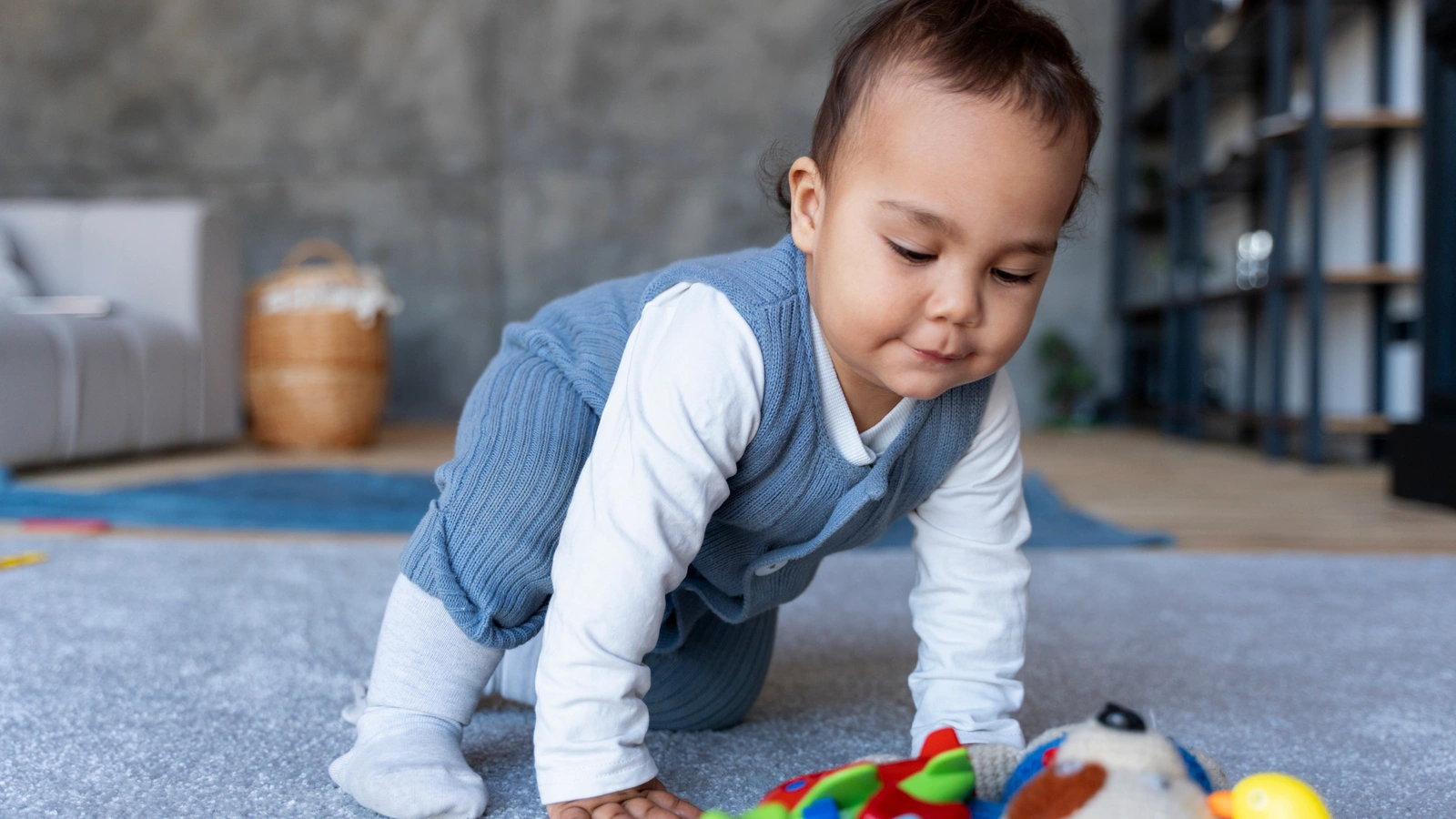
Your little one who is increasingly able to lift their head, support their body with their arms, and turn to the side is showing signs of developing the ability to roll onto their tummy. Moms can encourage this development through tummy time, placing toys around the baby, and creating a safe environment
Watching your little one master a new skill is one of the happiest moments for every parent. One of the most important milestones during the first few months is learning to roll onto their tummy. This stage is crucial because it lays the foundation for future motor development, including rolling over, sitting, and crawling.
Before babies can roll onto their tummy independently, there are usually several physical signs that begin to appear. By recognizing these signs and providing appropriate stimulation, Moms can help their little one practice more safely, comfortably, and confidently.
When Do Babies Start Rolling Onto Their Tummy?
In general, babies begin learning to roll onto their tummy between 3 and 6 months of age. During this stage, their neck, back, and shoulder muscles become stronger, allowing them to better support their head and move their body.
However, Moms do not need to worry if development happens a little earlier or later. Every baby reaches milestones at their own pace depending on their physical condition, stimulation, and daily activities. The important thing is that your little one continues to make gradual progress.
Before babies can roll onto their tummy on their own, they usually display certain movements and behaviors that indicate their motor skills are developing.
Signs Your Baby Is Ready to Roll Onto Their Tummy
Before successfully rolling onto their tummy independently, your little one will usually show several signs. These movements indicate that their muscles are getting stronger and their coordination is improving.
1. Lifting Their Head and Chest More Often
One sign that a baby is ready to roll onto their tummy is the ability to lift their head to a 45–90-degree angle during tummy time. If your little one’s head previously drooped frequently, they may now be able to hold it steady for 10–15 seconds.
As their neck and back muscles strengthen, they will also begin using their arms to lift their chest off the surface. This indicates that the major muscles in the chest, shoulders, and arms are developing well to support rolling and tummy movements.
2. Beginning to Push Up with Their Hands
While in a tummy position, your little one may start trying to support their body weight using both hands. At first, they may only lean on their elbows, but as they grow, they will learn to push up with their palms until their arms are straight and their chest is fully lifted.
These pushing movements naturally strengthen major muscle groups, including the shoulders, arms, chest, and back. This practice is essential because it prepares your little one for future gross motor skills such as sitting independently, crawling, and eventually walking.
3. Stronger Shoulder and Hip Movements
Another sign that your baby is preparing to roll onto their tummy is stronger and more coordinated shoulder and hip movements. While lying on their back, your little one may begin tilting their hips from side to side and kicking their legs forcefully, as if preparing to turn and explore their surroundings.
This combination of shoulder and hip strength helps babies shift their weight from one side to the other. This ability is an important transitional stage before they can roll over independently.
4. Frequently Turning to One Side
Another easy-to-spot sign is when your little one frequently turns onto one side while lying on their back. This movement is often triggered by visual or auditory stimuli, such as reaching for a brightly colored hanging toy or turning toward Mom’s voice.
When in a partially side-lying position, babies are actually practicing balance and strengthening their core muscles, including the abdominal and back muscles. This is evidence that their motor nervous system is developing well.
5. A Stronger Grasp
Although it may not seem directly related, a stronger grip can also indicate that your little one is ready to learn tummy rolling. Fine motor development, such as gripping toys or Mom’s finger tightly, often progresses alongside gross motor development.
As babies actively grasp and pull objects, the muscles in their wrists, forearms, and shoulders become stronger. This upper-body strength later helps them support their body weight while rolling, lying on their tummy, and crawling.
6. Lifting Arms and Legs While on Their Tummy
While lying on their tummy, Moms may notice their little one lifting both arms and legs off the surface at the same time, balancing on their belly. This movement often resembles flying or swimming.
This activity strengthens the entire posterior muscle chain, including the neck, lower back, buttocks, and hamstrings. These muscles play an important role in maintaining stability as babies learn to sit without support and crawl in the coming months.
Factors That Affect When a Baby Rolls Onto Their Tummy
Some babies learn this skill faster, while others need more time. As long as your little one begins showing progress within the typical age range of 4–6 months, there is usually no need for concern.
1. Baby’s Weight
In some cases, babies with a higher body weight—such as 8–10 kilograms at 4–6 months old—may need slightly more time to learn tummy rolling. Their bodies require more strength and coordination to move their weight.
2. Health Conditions
Conditions such as premature birth or hypotonia (low muscle tone) can affect motor development. If your child’s development seems significantly delayed compared to expected milestones, consult a pediatrician as early as possible.
3. Motor Development
Readiness for tummy rolling is marked by stronger neck muscles, allowing babies to hold their heads steadily for 10–30 seconds, with improvement over time. This is often accompanied by active leg kicking, which helps develop coordination between the upper and lower body.
4. Practice and Support
Moms can encourage this skill through regular tummy time sessions 2–3 times a day. Start with 1–5 minutes for newborns and gradually increase to a total of 15–30 minutes per day. Placing colorful toys in front of your little one can motivate them to lift their head, stretch their arms, and move toward the object.
How to Help Your Baby Learn to Roll Onto Their Tummy
1. Create a Soft and Safe Play Area
A comfortable environment helps babies feel more confident when moving. Use a flat, clean, non-slip, and moderately soft surface for practice.
Avoid placing babies on overly soft mattresses, as this can limit movement. A stable play area helps them better control their neck, shoulder, and back muscles.
2. Place Toys Near Your Baby
Toys can be an effective motivation for movement. Place brightly colored toys or toys that make gentle sounds slightly beside your baby. Their interest in the toy may encourage them to turn their head, lift their chest, and rotate their body naturally.
3. Use Supportive Aids
Moms can use a tummy time pillow or a small rolled towel placed under the baby’s chest. This provides additional support and can make lifting their head more comfortable.
Always supervise your baby when using these aids and never leave them unattended.
4. Practice Tummy Time Regularly
Tummy time is one of the best activities to support tummy-rolling skills. It strengthens the neck, shoulders, arms, back, and core muscles needed for rolling and other developmental milestones.
Start with 3–5 minutes several times a day while your baby is awake, then gradually increase the duration based on their comfort and ability.
5. Change Breastfeeding Positions
Changing breastfeeding positions provides different forms of stimulation for both sides of the baby’s body. This helps balance muscle development on the left and right sides.
Balanced muscle strength is important because babies need full-body coordination when learning to roll and move onto their tummy.
6. Help Your Baby Practice Side-Lying
Before successfully rolling onto their tummy, many babies first learn to turn onto their side. Moms can gently help by placing them in a side-lying position during playtime or interaction.
This position improves balance, coordination, and body awareness, making it an important step toward independent tummy rolling.
Safety Tips When Your Baby Is Learning to Roll Onto Their Tummy
1. Always Supervise Your Baby
Never leave your baby unattended during tummy time or while actively practicing new movements. Supervision helps prevent accidents.
2. Use a Flat and Safe Surface
Ensure your baby practices on a flat surface that is not too soft. Overly soft mattresses can increase the risk of breathing difficulties when lying on the tummy.
3. Keep the Area Free of Clutter
Remove large pillows, thick blankets, and oversized toys from the area during tummy time to keep the space safe.
4. Keep Your Baby Comfortable
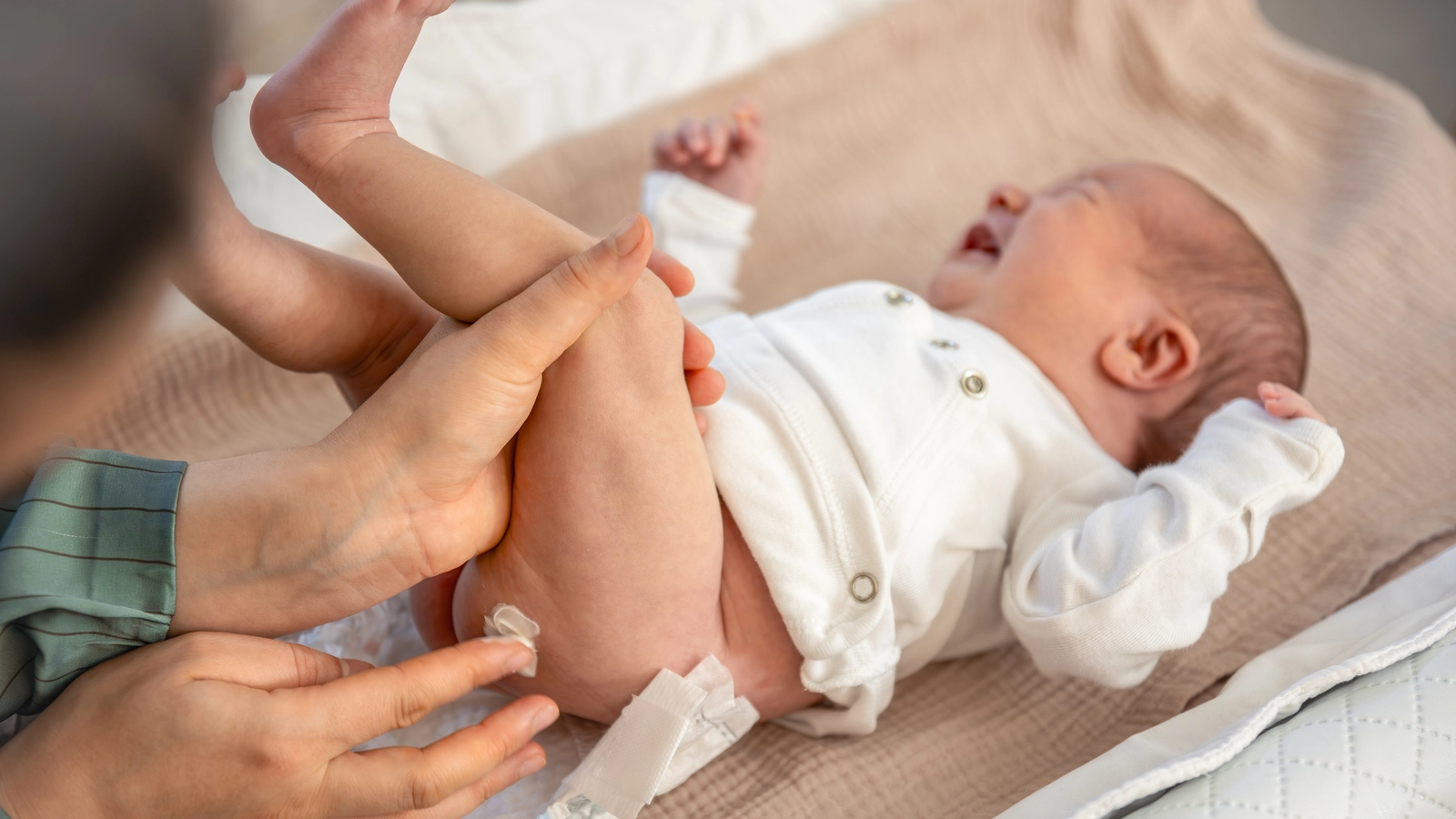
Comfortable babies are usually more eager to move and learn. In addition to soft clothing, choosing the right diaper can help your little one move freely without feeling hot or restricted.
Conclusion
Signs that a baby is ready to roll onto their tummy generally include the ability to lift their head and chest, support their body with their hands, frequently turn to one side, and show stronger shoulder and hip movements. These signs indicate that your little one’s muscles and body coordination are developing in preparation for independent tummy rolling.
FAQ
1. Does a baby need to roll onto their tummy before learning to sit?
Yes. Rolling onto the tummy helps strengthen the muscles needed for sitting.
2. Can babies who rarely do tummy time be delayed in rolling onto their tummy?
Yes. Tummy time helps strengthen muscles, and limited practice may slightly slow motor development.
3. Is it safe for babies to sleep on their tummy?
No. Tummy sleeping is not recommended for babies under one year old because it may increase the risk of SIDS (Sudden Infant Death Syndrome).
4. Can diapers that are too thick interfere with movement?
Yes. Thick or bulky diapers may make babies less comfortable when moving actively.
5. When should Moms be concerned if a baby cannot roll onto their tummy?
If a baby is older than 6 months and shows no signs of motor development progress, consult a pediatrician.
6. How do I choose the right diaper size for my baby?
Choose a diaper size based on your baby’s weight according to the size guide on the packaging. The right fit helps prevent leaks and allows your little one to move more freely.