The daily development of a baby is truly amazing. The growth and development of the little one become more adorable and are too precious to miss. Moreover, the developmental stage at the age of 3-6 months serves as a foundation for determining future development.
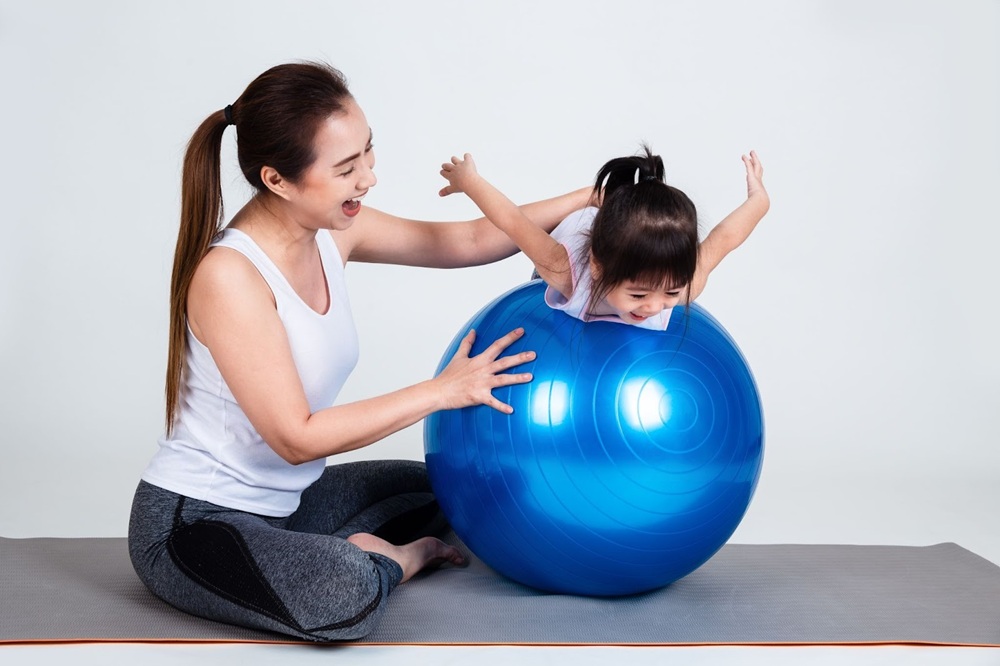
The development of a child's motor skills is divided into two categories: fine motor development and gross motor development. Motor development is the process of a child's movement development related to the physical and neural maturation of the child. Fine motor development includes the development of small muscle movements with eye and hand coordination. For example, writing or assembling puzzle toys. Meanwhile, gross motor development involves the development of movements related to balance and coordination between body parts. For instance, crawling, walking, jumping, and running. Often, gross motor skills develop earlier than fine motor skills.
For that reason, moms need to know the stages of development of your little one's abilities at the age of 3-6 months as follows:
Gross motor development for ages 3-6 months
According to Dr. Ria Yoanita, SpA, who practices at RS Caroulus Jakarta, gross motor skills in children aged 3-6 months generally include the ability to roll over from back to stomach and vice versa. Additionally, when rolling and lying on their back, babies can start to lift their heads up to 90 degrees and maintain a stable and upright head position.
"Day by day, they grow stronger. Approaching six months, babies can be seated with their heads upright," explained Dr. Ria.
In terms of language, at this age range, babies can produce high-pitched joyful sounds or squeals, recognize sounds, and turn towards the source of the sound. Furthermore, in terms of social independence development, babies generally can respond by smiling when given a toy or an interesting picture while playing alone.
Fine motor development for ages 3-6 months
The motor development of babies aged 3-6 months includes the ability to grasp other people's fingers, reach or grab objects within their reach, and hold their own hands. At this age, the little one can also turn their head to the right, left, up, and down, as well as try to broaden their view and direct their eyes to small objects. Babies can also feel objects with various textures. The fine motor skills of the little one also begin to develop when they start throwing toys or transferring toys from one hand to the other.
"Parents can provide stimulation, for example by hanging or placing sound-making toys that attract attention in front of the little one while on their tummy, encouraging them to reach for it, or by giving toys into their hands so the little one can feel the toys. This also simultaneously provides sensory stimulation," explained Dr. Ria.
Visual stimulation begun in infancy plays an important role in the development of visual function. In full-term newborns, the pathway from the eyes to the visual centers in the brain has formed, allowing babies to receive visual stimuli such as varying light intensities and contrast, lines, images and certain patterns, as well as movement. Newborns cannot yet distinguish colors. The visual pathway for color recognition starts functioning at around 2–3 months, and the first color babies recognize is red. By 3 to 4 months of age, babies can focus their vision and track movement produced by an object. They also become increasingly sensitive to light. At around 3 months, a baby’s light detection is estimated to be about ten times that of an adult, so it’s best to avoid overly bright lighting. To provide gentle light-based stimulation, Moms can decorate the baby’s room with a variety of colors.
Don't Overstimulate, Here's the Impact on Your Little One
Stimulation is said to have a role in a child's intelligence. Parents should provide stimulation according to the child's developmental stages and readiness. Providing stimulation that does not match the baby's developmental stage is also considered overstimulation. If the little one receives overstimulation or stimuli that are not appropriate for their age, their growth and development will not be optimal.
"An example of overstimulation is, for instance, stimulating a baby to walk when their bones are not yet strong. If a baby experiences overstimulation, they will tend to cry, be fussy, or turn their face away from the object of stimulation given," explained Dr. Ria.
In addition, Dr. Ria recommends providing stimulation in a comfortable setting, with a pleasant atmosphere, and ideally in activities the child enjoys. Parents should also recognize when their little one feels uncomfortable or bothered during stimulation, because overstimulation can also affect a child’s psychological well-being.
"When a child is fussy asking for a drink but we instead instruct them to do stimulation like tummy time and then give them toys, even though the situation is not supportive, such as the baby being sleepy, hungry, or needing a diaper change, yet we still force them to play stimulation. As a result, the child's psyche becomes disturbed and uncomfortable," he added.
Signs of Developmental Delays in Babies
Quoted from IDAI, approximately 5-10% of children are estimated to experience developmental delays. The exact incidence rate of these developmental delays is not yet known. However, it is estimated that around 1-3% of children under the age of 5 experience general developmental delays.
This developmental delay is caused by genetic or chromosomal disorders, nervous system disorders or infections, premature or preterm babies, low birth weight babies, and babies experiencing severe illness early in life requiring intensive care.
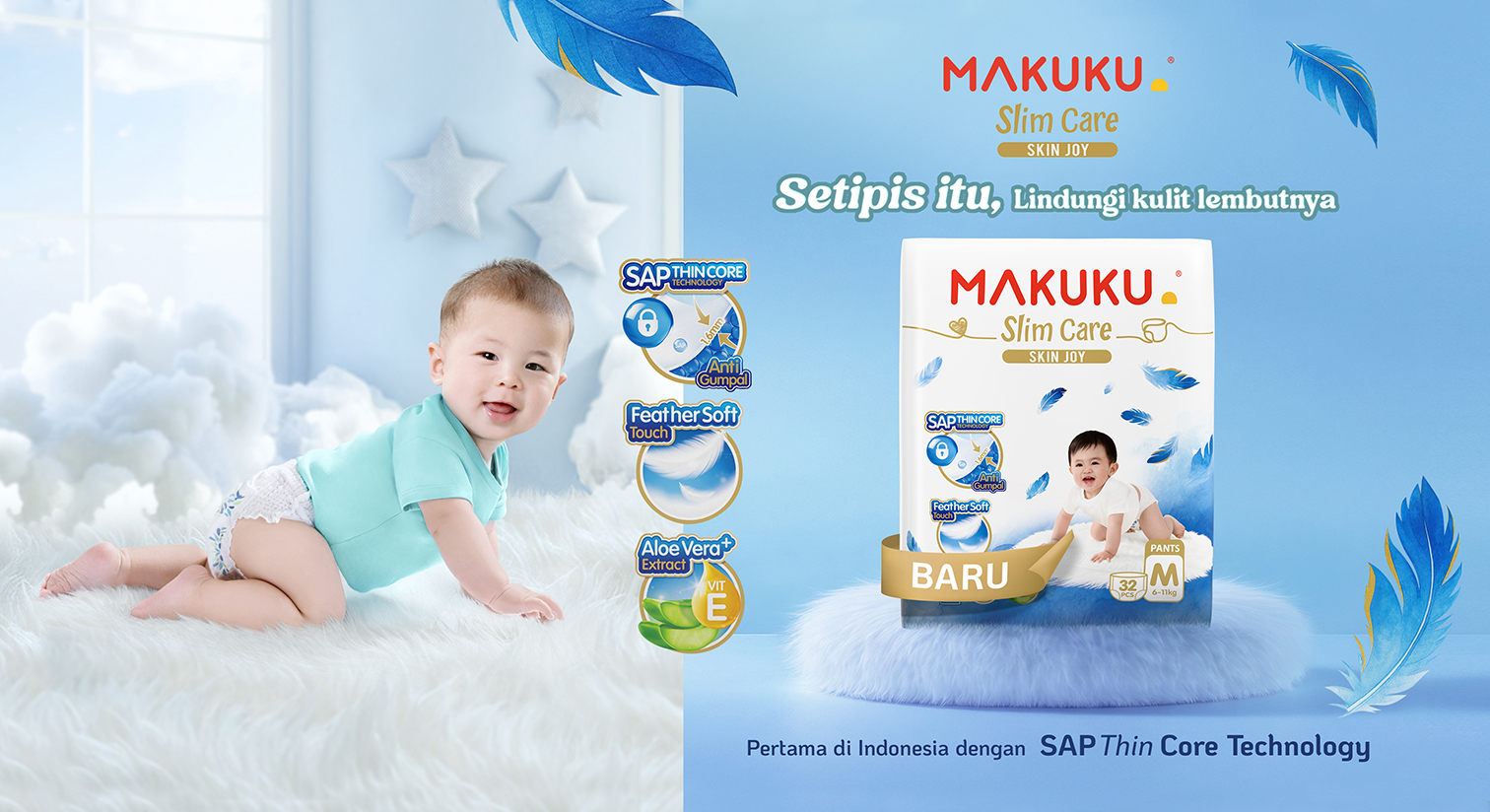
Warning signs or red flags in gross motor development include asymmetric or unbalanced movements; persistence of primitive reflexes, or reflexes that are still present beyond six months of age; abnormal muscle tone; abnormal postural reactions; and the presence of uncontrolled movements. Meanwhile, red flags in fine motor development include continued palmar grasp beyond six months, clear hand dominance before one year of age, persistent oral exploration (such as frequently putting toys in the mouth) that remains very dominant after 14 months, and inconsistent visual attention. Beyond gross and fine motor concerns, other developmental red flags to watch for are delayed onset of speech, not responding when called, lack of interest in surroundings, and limited facial expressions. Every child develops at their own pace and cannot be compared directly with others. If parents notice any of the warning signs above, have your child assessed promptly. Early recognition helps identify the underlying cause and enables timely, appropriate intervention. To support your little one’s motor development, don’t forget to choose a diaper that supports comfortable movement. MAKUKU Skin Joy with SAP Thin Core technology and extra-soft materials to help protect baby’s skin,is enriched with aloe vera and vitamin E to help maintain your baby’s natural skin moisture.