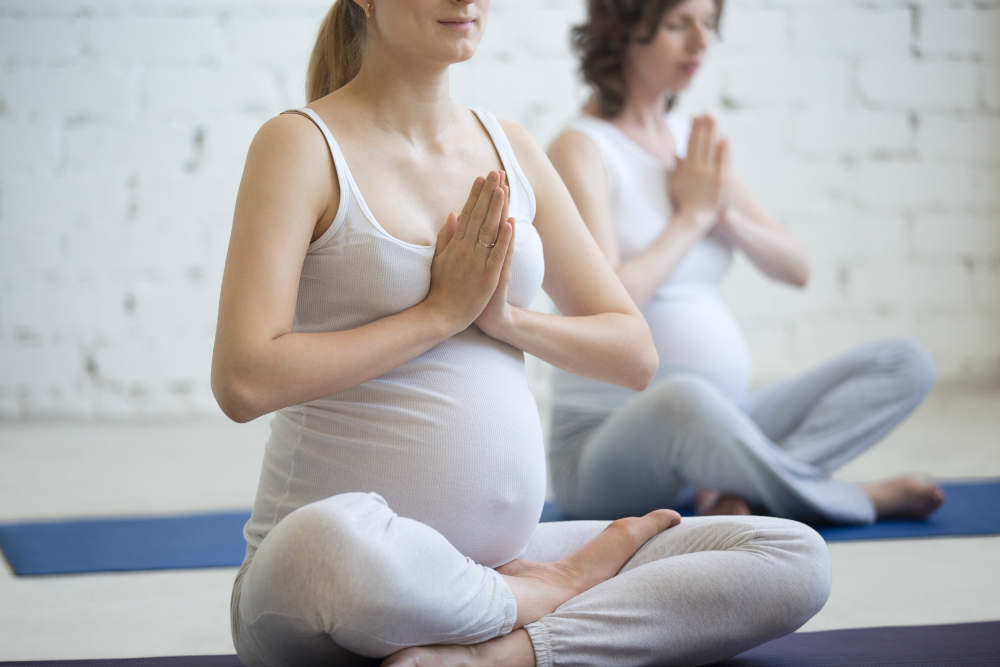
Prenatal yoga has become an increasingly popular exercise option among pregnant women. This activity not only helps maintain physical fitness but also plays an important role in supporting emotional balance throughout pregnancy.
Prenatal yoga is specifically designed to be safe by accommodating the physical and hormonal changes experienced by Moms, allowing the body to stay active without putting the baby at risk. In addition, these exercises are often used as both physical and mental preparation for childbirth. With proper and regular practice, Moms can gain optimal benefits for their own health as well as the baby’s development. Here is a complete explanation.
Benefits of Prenatal Yoga for Pregnant Women
As cited from the Mayo Clinic, prenatal yoga offers many benefits, both physically and emotionally. This practice focuses not only on stretching but also on breathing techniques, relaxation, and stress management. Some of the benefits Moms may experience include:
Helping to reduce common pregnancy discomforts such as lower back pain, headaches, nausea, and shortness of breath.
-
Maintaining body balance.
-
Preparing and strengthening the hips for labor.
-
Improving sleep quality.
-
Reducing stress and anxiety.
-
Strengthening and increasing flexibility of the muscles.
-
The breathing techniques learned are very useful during labor.
-
Helping to strengthen the bond between Moms and the baby.
When done in group sessions, prenatal yoga can also provide social benefits. Moms can share stories and experiences, while offering mutual support with other expecting mothers, which has a positive impact on mental well-being.
10 Recommended Prenatal Yoga Movements for Pregnant Women
Before starting prenatal yoga, Moms need to understand that not all movements are performed the same way as regular yoga. During pregnancy, the body goes through many changes, so certain poses need to be modified to remain safe and comfortable. Don’t hesitate to use props such as yoga blocks, chairs, or a wall to help maintain balance, especially as the pregnancy progresses.
Below are some recommended prenatal yoga movements that are safe and can be done slowly according to Moms’ body abilities.
1. Tadasana (Mountain Pose)
Begin by standing upright with your feet hip-width apart and the soles of your feet parallel. Leave a little space between the feet to make the belly feel more comfortable. Place both arms at your sides with palms open, then relax your shoulders and facial muscles. Moms may close the eyes to help improve focus.
As a variation, Moms can bring the palms together in front of the chest while taking a deep breath to calm the mind. Another option is to interlace the fingers and lift both arms overhead, then gently stretch the body to the right and left. Hold for 5–8 breaths and repeat several times without holding the breath.
2. Uttkatasana (Chair Pose)
From Tadasana, slowly bend the knees as if sitting on a chair. Keep the back straight and avoid tightening the abdominal muscles. Focus the strength on the hips. Raise both arms beside the head with the palms open and facing upward.
Hold this pose while taking five deep breaths through the nose, then return to the starting position. Repeat up to three times according to your comfort level.
3. Vrksasana (Tree Pose)
Start by standing tall, then bend the right knee and place the sole of the foot on the inner left thigh. If this feels difficult, Moms can rest the foot against the calf. Fix your gaze on one point to help maintain balance.
Once stable, lift both arms and bring the palms together above the head. If balance feels unstable, use a wall or chair for support. Hold the pose while breathing deeply for 5–8 breaths, then switch sides.
4. Ardha Uttanasana (Half Forward Bend)
Stand in Tadasana, then place a yoga block vertically in front of the body. Rest both hands on the block and hinge forward until the back is parallel to the floor. Make sure the shoulders and hips are aligned to keep the body stable.
If a yoga block is not available, Moms can use a chair or wall for hand support. Breathe slowly for 5–8 breaths and repeat up to three times, always prioritizing comfort.
5. Uttanasana (Standing Forward Bend)
Begin from a standing position, place both hands on the hips, and gently bend forward. Allow the head and neck to relax. If the hands do not reach the floor, use a yoga block for support.
Hold the pose while taking 5–8 deep breaths. If Moms feel dizzy or uncomfortable, stop immediately and return to a standing position. Dizziness can occur due to improper breathing or changes in blood pressure.
6. Virabhadrasana II (Warrior II Pose)
To begin, start from Tadasana. Step the right foot back, turning the toes slightly to the right side. Bend the front knee while keeping the toes of the front foot facing forward. Then open both arms out to the sides at shoulder height, making sure the arms are active and form one straight line. Direct your gaze toward the fingertips of the front hand to help maintain stability.
Hold this pose while taking 5–8 deep breaths through the nose. Afterward, bring both hands to the hips, step the feet back together, and return to Tadasana. Repeat the same movement on the left side. Make sure Moms do not hold the breath so the body stays relaxed and avoids dizziness.
7. Utthita Trikonasana (Extended Triangle Pose)
Start from Virabhadrasana II, then slowly straighten the front leg. Bring the front hand toward the big toe or ankle of the front foot. If this feels too challenging, Moms can use a yoga block placed beside the front foot as hand support.
Next, lift the opposite arm upward to form a straight line from the lower arm to the upper arm. Gently open the chest and turn the gaze toward the fingertips of the raised hand. Keep the shoulders, neck, and facial muscles relaxed to avoid tension. Hold the pose for 5–8 breaths, then return to a standing position with hands on the hips and come back to Tadasana. Repeat on the opposite side.
8. Parsvottanasana (Intense Side Stretch Pose)
From Tadasana, step the right foot back. Keep both legs straight, with the back foot turned about 45 degrees to the side while the torso continues to face forward. Bring both palms together behind the back to open the chest and activate the shoulders.
Then release the hands from behind and gently hinge the body forward toward the front thigh. Make sure to give enough space for the belly so there is no pressure. Place the hands on the floor beside the front foot or use a yoga block if the floor is out of reach. Hold the pose for 5–8 breaths, then lift the torso back up and return to Tadasana. Repeat on the left side.
9. Virabhadrasana III (Warrior III Pose)
From Tadasana, place a yoga block in front of the feet and move into Ardha Uttanasana. Rest both hands on the block with the hips aligned with the shoulders, then slowly lift one leg straight back. Moms may stay in this position or bring the palms together in front of the chest while focusing the gaze on one point.
Once feeling stable, Moms can extend both arms forward to form the full Virabhadrasana III pose. If this feels difficult, use a chair or wall for hand support. Hold the pose for 5–8 breaths and repeat up to three times. If dizziness occurs, stop immediately and return to Tadasana.
10. Adho Mukha Svanasana (Downward Facing Dog)
Begin in a tabletop position with palms and knees resting on the mat. Press the fingers and toes into the mat, then lift the knees and straighten the legs back. Gently move the heels toward the mat without forcing them down. Straighten the arms and push the shoulders back to lengthen the spine.
If there is discomfort in the hamstrings, Moms may slightly bend the knees while keeping the shoulders open and drawn back. Hold the pose while taking 5–8 deep breaths and repeat up to three times. If dizziness occurs, return to the tabletop position and regulate the breathing calmly.
Keeping the body healthy and relaxed through prenatal yoga is one way Moms can prepare for welcoming the Little One. Beyond physical and mental readiness, Moms can also start preparing essential needs early on. This includes daily items the Little One will use from the very first day, as well as products that support comfort and skin health.

One option is getting to know MAKUKU Slim Luxury Silky, a premium baby diaper designed to be thin, gentle on the skin, and formulated to help prevent diaper rash. Featuring Triple Zero Protection, MAKUKU Slim Luxury Silky is ready to provide optimal comfort and protection when the Little One arrives. With thoughtful preparation, Moms can welcome this precious moment with greater peace of mind.
FAQ
What Is Prenatal Yoga?
Prenatal yoga is a type of exercise specially designed for pregnant women to help them stay active, healthy, and fit throughout pregnancy. This practice combines stretching movements, body postures, breathing techniques, and relaxation that are adapted to the needs of expecting mothers. Prenatal yoga can also be combined with light cardiovascular activities such as walking. The combination of yoga and light cardio is considered ideal for maintaining stamina, flexibility, and overall physical comfort during pregnancy.
When Can You Start Prenatal Yoga?
Prenatal yoga is generally recommended starting in the second trimester, around 14–16 weeks of pregnancy, when morning sickness typically subsides and energy levels begin to increase. However, for Moms who are already accustomed to exercising, prenatal yoga may be started as early as the first trimester with very gentle movements. Before beginning, it is best to consult a doctor, especially if Moms have a history of high-risk pregnancy. Ideally, prenatal yoga is practiced 2–3 times per week for 60–90 minutes, while avoiding lying-flat positions and extreme poses, particularly in the third trimester.
What Is the Difference Between Prenatal Yoga and Pregnancy Exercise?
Pregnancy exercise focuses more on structured physical movements aimed at building strength and flexibility as preparation for childbirth. Prenatal yoga, on the other hand, integrates body postures, stretching, breathing techniques, and meditation to achieve overall physical and mental balance. Although the approaches differ, both share the same goal: helping pregnant women feel more prepared physically and mentally, and they can complement each other well.
Frequently Asked Questions from Moms
Is MAKUKU Slim Luxury Silky One of the Best Baby Diapers for the Little One Skin?
MAKUKU Slim Luxury Silky is Dermatologically Tested and clinically proven to be safe for the Little One skin. Featuring Natural Fine Silk Fibers that are as soft as silk, MAKUKU Slim Luxury Silky minimizes friction, keeping the Little One comfortable while helping protect the skin from irritation.
Is MAKUKU Slim Luxury Silky Comfortable to Wear When the Little One Is Actively Moving?
Absolutely, Moms. With a thickness of only 1.6 mm (Zero Feel), MAKUKU Slim Luxury Silky is extremely thin and lightweight. The SAP Thin Core technology ensures the diaper does not clump even when fully absorbed, allowing the Little One to move freely and comfortably without the burden of a bulky diaper.
How Long Does the Absorbency of the Premium Baby Diaper MAKUKU Slim Luxury Silky Last?
Moms can rely on MAKUKU Slim Luxury Silky for up to 12 hours of protection. Thanks to Zero Worry Protection and evenly distributed maximum absorbency, MAKUKU Slim Luxury Silky helps prevent leaks up to 100%, keeping the Little One skin dry during daytime activities and restful sleep at night.
References:
-
https://newsnetwork.mayoclinic.org/discussion/womens-wellness-what-you-need-to-know-about-prenatal-yoga/
-
https://hellosehat.com/kehamilan/kandungan/gerakan-prenatal-yoga/
-
https://www.rspondokindah.co.id/id/news/yoga-ibu-hamil
-
https://kehamilansehat.com/id/prenatal-yoga-agar-melahirkan-lebih-mudah/
-
https://kebidanan.almaata.ac.id/mengenal-prenatal-yoga/
-
https://www.halodoc.com/artikel/6-manfaat-yoga-prenatal-untuk-kesehatan-ibu-hamil