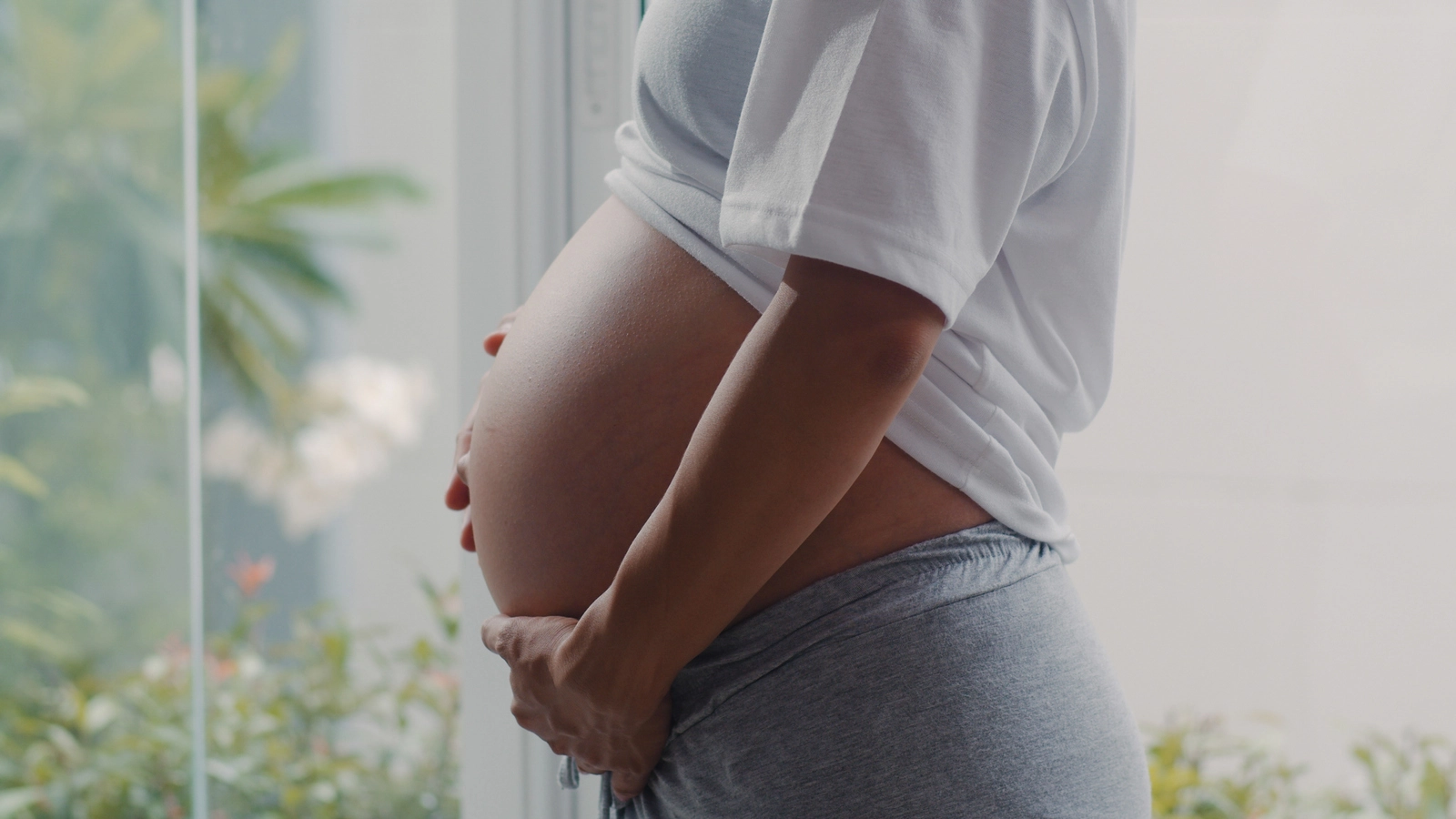
Signs of pregnancy based on body shape may include an enlarged belly and breasts, weight gain, changes in skin color, and swelling in certain parts of the body. However, physical changes alone cannot confirm pregnancy, so a pregnancy test and medical examination are needed.
Pregnancy can cause various changes in the body. Some changes may become noticeable early in pregnancy, while others become more apparent as the pregnancy progresses.
However, physical changes in body shape cannot be used as the only way to confirm pregnancy. Similar changes may also occur due to changes in weight, hormones, or certain health conditions.
So, what body changes may occur during pregnancy? Let’s take a closer look, Moms.
Can Pregnancy Be Detected from Body Shape?
Body shape alone cannot confirm whether someone is pregnant. Changes such as an enlarged belly, weight gain, or fuller breasts can occur due to various factors besides pregnancy.
Every pregnancy can also cause different physical changes. Belly size, weight gain, and the timing of physical changes can be influenced by gestational age and the mother’s health condition.
Therefore, signs of pregnancy based on body shape may only be possible signs of pregnancy. To confirm pregnancy, Moms should take a pregnancy test and undergo a medical examination.
When Do Physical Changes During Pregnancy Start to Show?
The timing of physical changes can vary from one pregnant woman to another. During early pregnancy, especially in the first trimester, hormonal changes may make the breasts more sensitive and cause bloating, while the belly generally does not appear noticeably larger yet.
The belly usually starts to become more visibly enlarged during the second trimester, around 12–16 weeks of pregnancy, as the uterus and fetus grow. However, the timing of these changes can vary depending on whether this is the first pregnancy, the mother’s body shape, and the number of babies being carried.
After 16 weeks of pregnancy, the belly generally becomes more noticeable as the uterus continues to grow and the fetus develops. By the middle to late second trimester, other physical changes may also become more visible, such as an increasing waist circumference and changes in the breasts.
12 Signs of Pregnancy Based on Body Shape
Here are some physical changes that may occur during pregnancy. Keep in mind that each change can appear at different times and to varying degrees.
1. The Belly Starts to Grow
The belly is one of the body parts that changes as pregnancy progresses. During the first trimester, this change is usually not very noticeable. However, entering the second trimester, around 12–16 weeks of pregnancy, the belly may begin to appear larger as the uterus and fetus continue to develop.
After 16 weeks of pregnancy, the belly generally becomes more noticeable, with the abdominal circumference continuing to increase until close to delivery. However, the timing and appearance of these changes can vary among pregnant women, including depending on whether this is the first pregnancy, body shape, and the number of babies being carried.
2. The Breasts Become Larger and Fuller
Hormonal changes during pregnancy can increase blood flow and prepare the breasts for breastfeeding. As a result, the breasts may feel fuller, more sensitive, or become larger.
These changes can occur early in pregnancy. However, changes in breast size and sensitivity can also be influenced by the menstrual cycle.
3. Weight Gain
Weight gain during pregnancy occurs due to several changes, including fetal growth, the placenta, increased blood volume, body fluids, and changes in body tissues.
The recommended amount of weight gain during pregnancy can vary for each mother. The target weight gain is adjusted based on the mother’s pre-pregnancy condition, particularly her body mass index (BMI), so not every mother will have the same weight-gain target.
4. The Body May Appear Swollen
Some pregnant women may experience swelling or edema, particularly in the feet, ankles, and hands. This can occur due to increased fluid volume and pressure from the growing uterus.
Mild swelling can occur during pregnancy, especially in the third trimester. However, swelling that appears suddenly or is severe should be checked by a doctor promptly.
5. Hair Loss
Hormonal changes during pregnancy can affect the hair growth cycle. Some mothers may notice that their hair looks thicker, while others may experience hair loss.
Hair loss is not necessarily a specific sign of pregnancy. If hair loss is excessive or accompanied by other symptoms, it is best to consult a doctor.
6. The Areola Becomes Larger and Darker
The areola is the darker area of skin surrounding the nipple. During pregnancy, hormonal changes can cause the areola to become larger and darker.
This is one of the changes that may occur as the body prepares for breastfeeding. However, the degree of change can vary from one mother to another.
7. Stretch Marks Appear on the Skin
Stretch marks may appear when the skin stretches due to relatively rapid changes in body size. During pregnancy, they often appear on the belly, breasts, thighs, or hips.
Hormonal changes can also affect skin elasticity. Stretch marks may appear red, purple, or brown before gradually changing color over time.
8. Blood Vessels Become More Visible
The increase in blood volume during pregnancy can make certain blood vessels more visible. This may be noticeable on the breasts, legs, or other parts of the body.
For some mothers, these changes may be barely noticeable. However, if visible blood vessels are accompanied by pain or concerning changes in skin color, consult a doctor promptly.
9. Acne Appears on the Face
Hormonal changes can increase oil production in the skin, causing some mothers to develop acne during pregnancy. Acne may appear on the face, back, or chest.
However, acne is not a definite sign of pregnancy. It can also be influenced by hormonal cycles, skin type, stress, and other factors.
10. The Nose May Appear Larger or Swollen
Changes in the appearance of the nose may also occur during pregnancy, although not every mother experiences them. Increased hormone levels and blood flow during pregnancy can cause the tissues around the nose to swell.
This change is usually temporary and may become more noticeable as pregnancy progresses. After giving birth, the swelling generally gradually decreases as hormone levels and the body return to their pre-pregnancy state.
11. Changes in Skin Color
Hormonal changes can increase the production of melanin, the pigment that gives skin its color. As a result, certain areas of the skin may become darker during pregnancy.
These changes may appear on the areola, along the center of the abdomen, or on the face. One possible change is the appearance of linea nigra, a dark line that develops along the center of the abdomen.
12. The Vagina May Become Larger
During pregnancy, the vagina and vulva may appear larger or swollen due to increased blood flow to the pelvic area. Hormonal changes can also cause the skin around the vagina to become darker.
These changes may begin to appear early in pregnancy and become more noticeable as the pregnancy progresses. They are part of the body’s natural changes to support pregnancy and prepare for childbirth.
Other Changes That May Accompany Pregnancy
In addition to changes in body shape, several other changes may occur during early pregnancy. However, not every pregnant woman experiences these symptoms.
1. Urinating More Frequently
Increased blood flow to the kidneys can lead to increased urine production. Later in pregnancy, the growing uterus can also put pressure on the bladder.
As a result, pregnant women may feel the need to urinate more frequently. However, if this is accompanied by pain or a burning sensation when urinating, it is best to seek medical attention promptly.
2. Feeling More Tired
Hormonal changes and increased energy needs can make the body feel more tired. This is quite common, especially during early pregnancy.
Getting enough rest and eating a nutritious diet can help support the body. However, severe or prolonged fatigue should be discussed with a doctor.
3. Increased Vaginal Discharge
Hormonal changes and increased blood flow can cause the amount of vaginal discharge to increase. Normal vaginal discharge is generally clear or milky white and does not have a strong odor.
If the discharge changes color, develops a strong odor, or is accompanied by itching or pain, it should be checked by a doctor. These symptoms may be related to an infection or another health condition.
4. A Missed Period
A missed period is one of the early signs commonly associated with pregnancy. However, a late period can also occur due to stress, changes in weight, intense physical activity, or hormonal disorders.
If Moms have missed a period and there is a possibility of pregnancy, take a pregnancy test for a more accurate result.
How to Accurately Confirm Pregnancy
After recognizing signs of pregnancy based on body shape, Moms still need to undergo an examination to confirm pregnancy. Some methods include:
- Pregnancy test using atest pack. A test pack detects the hCG hormone in urine, which is produced after the embryo attaches to the uterine lining. Use it according to the instructions on the package for a more accurate result, and repeat the test if the result is negative but your period remains delayed.
- Blood test. A blood test is performed at a healthcare facility to detect hCG in the blood. This test can help confirm pregnancy and is performed based on a healthcare professional’s assessment.
- Doctor’s examination and ultrasound. A doctor can perform an examination to confirm pregnancy and assess the condition of the pregnancy. An ultrasound can also help monitor the development of the pregnancy inside the uterus according to gestational age.
Welcome Your Little One with the Comfort of MAKUKU Pro Care
Signs of pregnancy based on body shape can include an enlarged belly and breasts, weight gain, skin changes, and swelling in certain parts of the body. However, these changes are not definitive signs of pregnancy, so Moms still need to take a pregnancy test and undergo a medical examination to confirm it.
Once pregnancy is confirmed, maintaining the comfort and health of both mother and baby becomes important throughout pregnancy and after birth. To support your baby’s skin comfort, Moms can choose MAKUKU Pro Care, a clinically tested premium diaper designed to be gentle on sensitive skin. It features SkinHug Design and SAP Thin Core Technology to help keep the skin comfortable while absorbing and evenly locking in liquid without clumping.
FAQ
1. Can the Shape of the Belly Indicate the Baby’s Sex?
No. The shape of a pregnant woman’s belly cannot be used to determine the baby’s sex. The baby’s position, the mother’s body shape, and the condition of the abdominal muscles can affect the shape of the belly during pregnancy.
2. Do All Pregnant Women Experience the Same Physical Changes?
No. Every mother may experience different physical changes. The timing and severity of symptoms can also vary with each pregnancy.
3. Does a Belly That Has Not Grown Mean You Are Not Pregnant?
Not necessarily. The belly may not appear larger during early pregnancy or in some women with certain body types. Pregnancy should be confirmed through a pregnancy test and medical examination.