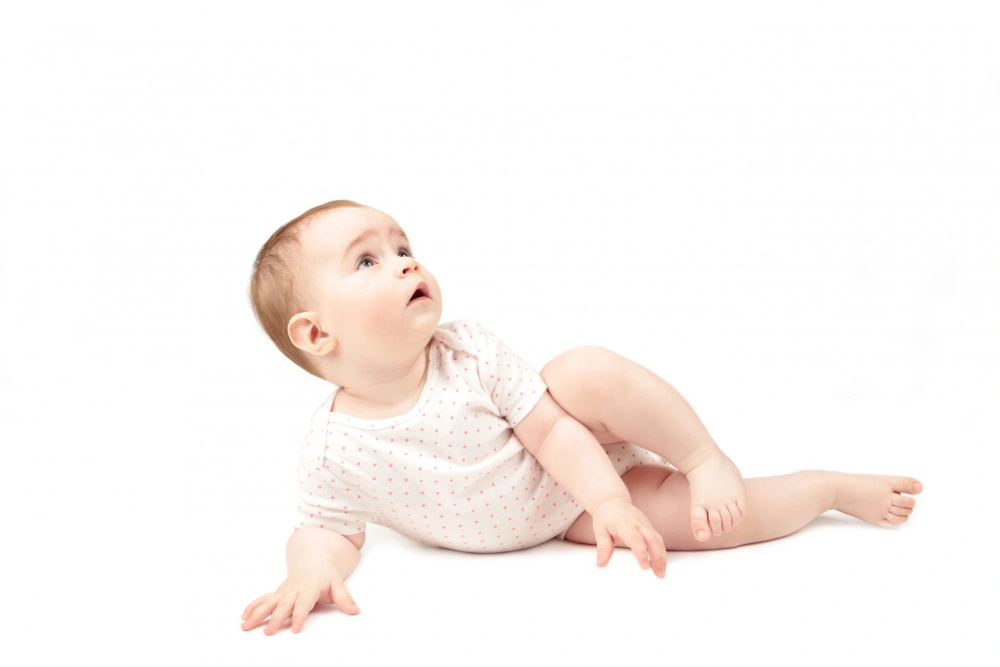
The birth of a baby not only brings much happiness but also "surprises" for the parents who care for them. These surprises are related to new things that occur during the early stages of a baby's life in the world. That is why many parents feel amazed and astonished when their baby does something unexpected.
So, what are the facts about newborns that need to be known? Let's check out the complete facts in this article.
20 interesting facts about newborn babies
Knowing these facts can help parents better understand the development of newborns and provide care that suits their needs. Here are some interesting facts about newborns and their development:
1. Babies Learn to Talk While in the Womb
The process of learning to speak in babies actually begins while they are still in the womb. In the third trimester of pregnancy, around the 7th to 9th month, babies have developed the ability to hear and can listen to sounds from their surroundings, including the mother's voice.
2. Newborn Baby Cries Without Shedding Tears
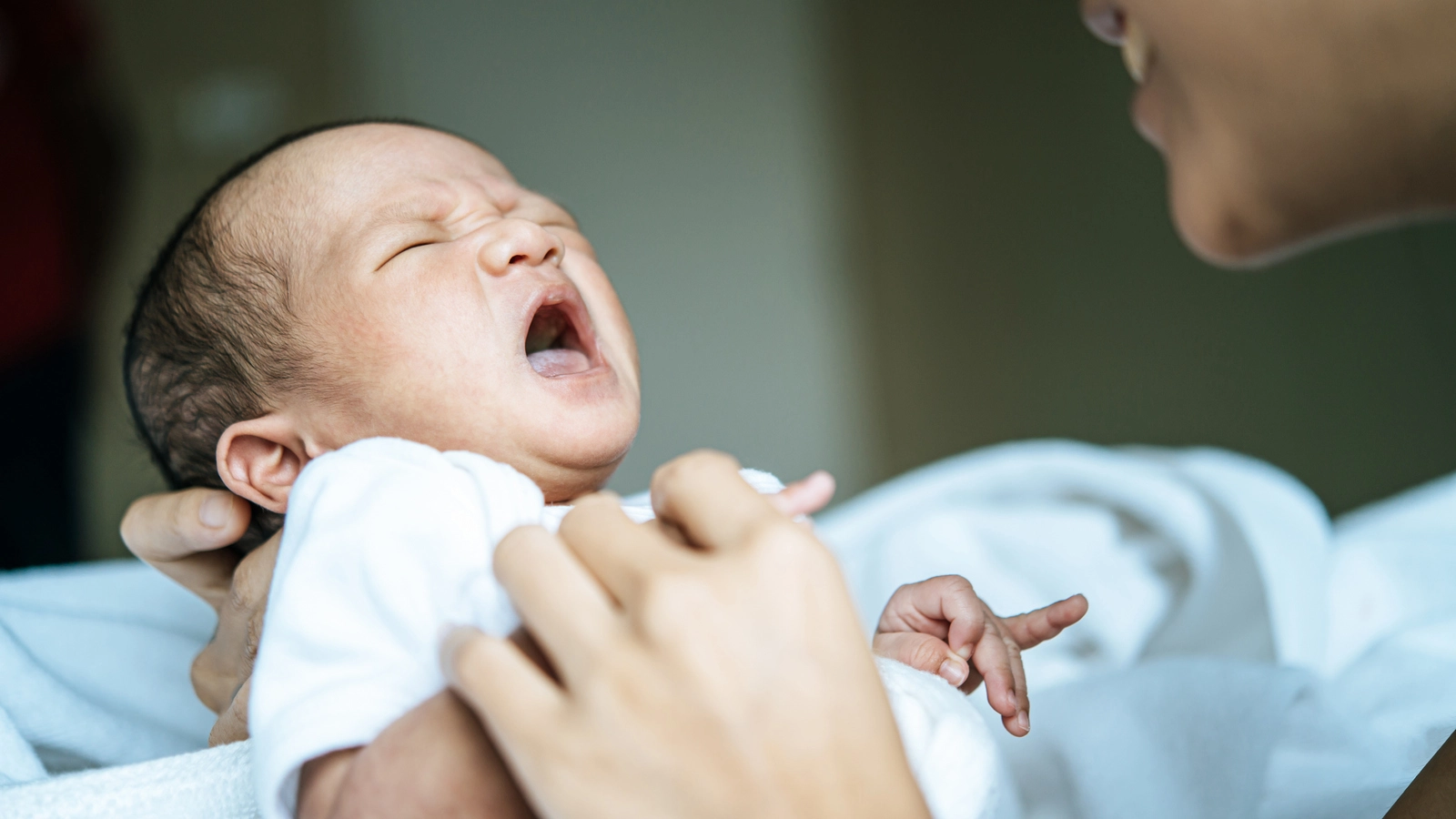
In general, newborn babies are not yet able to shed tears in the same way as adults. However, they have their own ways of dealing with discomfort, hunger, or dissatisfaction through various means, including grunting and screaming.
3. Babies Have More Bones than Adults
It should be noted that newborn babies have about 300 bones that will continue to grow and change shape every day. Meanwhile, adults have about 206 bones, which make up 15 percent of their body weight.
4. Newborn Baby Has a Birthmark
In general, newborn babies have birthmarks. These birthmarks form when small blood vessels under the skin dilate during delivery. This results in various shapes, colors, and sizes. Usually, as the baby grows older, the birthmark may disappear or even remain.
5. Newborn Baby's Vision is Limited
Newborn babies open their eyes but their vision is still blurry. They can only focus on objects that are about 20-30 cm away from their faces. This is similar to the distance between a mother and her baby when breastfeeding.
6. Newborn Babies Need a Lot of Sleep
Newborn babies indeed have a sleep pattern that is very different from adults. A baby's sleep time varies greatly, and the mentioned duration (18–22 hours) can include short sleep periods, waking up, and time spent breastfeeding.
7. Newborn Baby Puts Everything in Mouth
A study mentions that newborns have the instinct to put anything in their mouths. This is done not without reason, but as an effort for the baby to survive. Putting anything in their mouths is also considered as satisfying food for babies.
8. The Size of a Newborn Baby's Stomach is Very Small
The size of a newborn baby's stomach is different from that of an adult. At birth, the size of a newborn's stomach is very small, about the size of a walnut. Therefore, a newborn baby does not need to nurse too frequently. A newborn's stomach does not yet have enough space to hold a large amount of breast milk.
9. The Brain Development of Baby Boys Differs from Baby Girls
The development of a baby's brain involves various complex factors and is influenced by a number of variables, including genetics, nutrition, environment, and stimulation. Until now, it has not been confirmed that the brain development of baby boys tends to be faster than that of baby girls. However, baby girls have sharper senses in seeing and hearing, as well as better speaking abilities than baby boys.
10. The First Stool of a Newborn Baby is Greenish Black
When newborns defecate, they pass dark or black stools called meconium, which consists of active substances in breast milk. Meconium is the first stool passed by newborns. It usually appears within the first 24-48 hours after birth.
11. Newborn Babies Can Swim Naturally
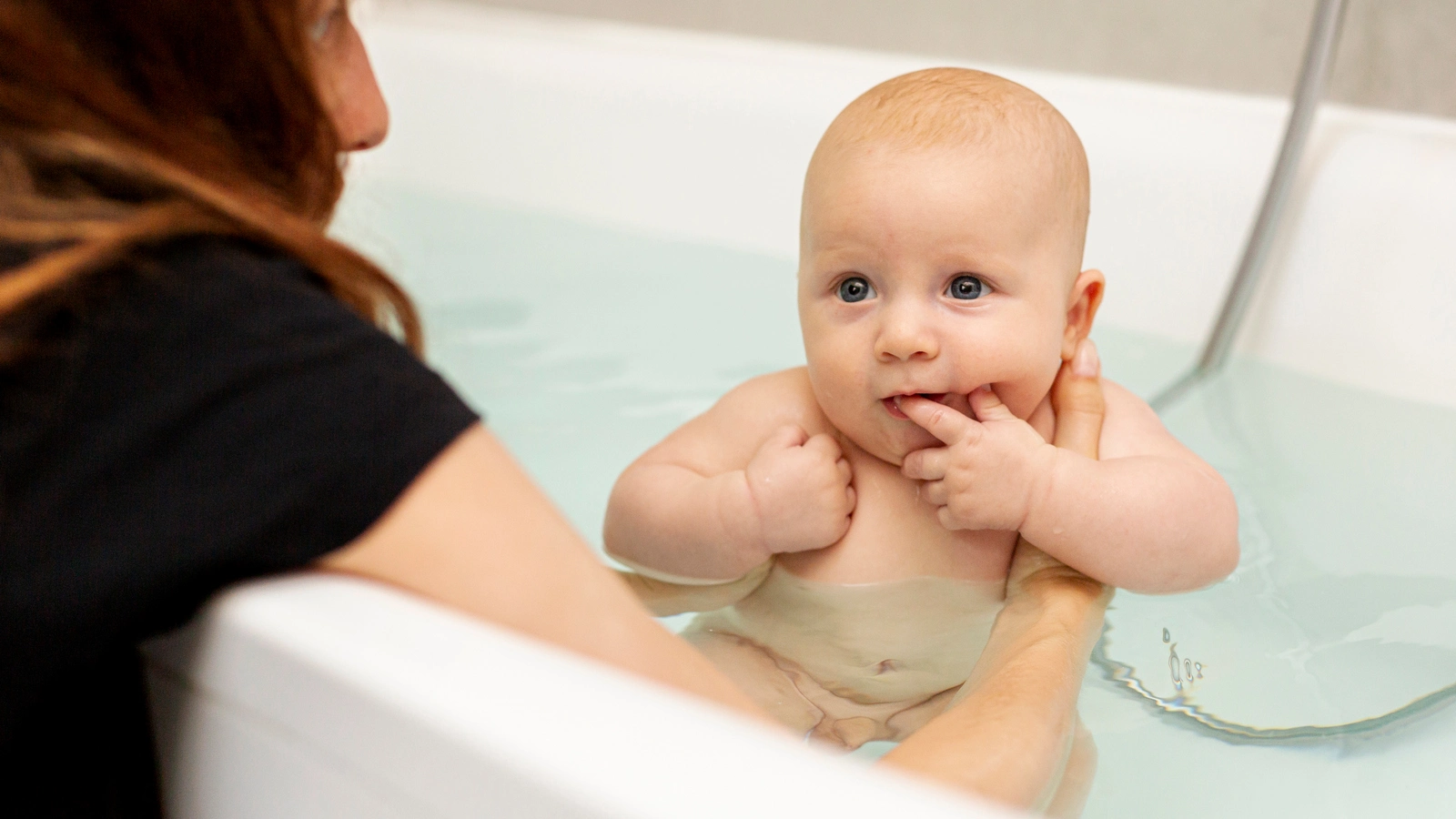
Newborn babies have a natural reflex called the "diving reflex" or "bradycardic reflex" which causes them to hold their breath when their face comes into contact with water. This reflex is generally present in newborns and aims to protect them while in water.
12. Newborns Experience Weight Loss
Weight loss in babies during the first few days after birth is common and considered a normal part of their initial adjustment to life outside the womb. This weight loss is usually caused by several factors, including the expulsion of excess fluids, adjustment of the digestive system, and an unstable food intake. Normally, babies will lose 5-10% of their body weight.
13. Newborn Baby Baby Does Not Have Kneecaps
It turns out that newborn babies are known not to have kneecaps. Newborns do not yet have solid kneecap bones and only have soft cartilage. At birth, a baby's bones are still flexible and have not fully hardened. Anatomically, the joints around a newborn's knee are very flexible, and the bones in that area are not yet well-formed.
14. Babies Have Fine Hair
Lanugo is the fine and soft hair that grows on a baby's body during pregnancy. This hair appears during the embryonic development stage and gives the baby a soft, downy appearance. Lanugo typically begins to grow around the 14th week of pregnancy and reaches its peak growth in the second trimester. Most babies will have lanugo on their bodies, especially on the back, shoulders, face, and arms.
15. Baby's Breathing Sounds
Breath sounds in infants can be caused by various factors and are not always related to the respiratory tract not being fully developed. It is important to understand that most breath sounds in infants are normal and will decrease over time. However, if there are concerns about the baby's health or if the breath sounds are accompanied by other symptoms, it is advisable to consult a pediatrician or healthcare professional immediately.
16. Breastfeeding a Baby Takes Time
Not all babies can breastfeed immediately after birth. According to Kim Oates, a professor of pediatrics at the University of Sydney, newborns who do not want to breastfeed can survive for some time, around 24-48 hours after birth, without breast milk.
17. White discharge from the baby's body
Newborn babies generally expel extra fluids from their bodies after birth. Some types of these fluids include Vernix Caseosa, Amniotic Fluid, the first tears, as well as mucus and phlegm. These fluids can be rinsed or cleaned by medical staff or nurses after birth. This cleaning is not only for hygiene but also to provide a clean and comfortable environment for the newborn.
18. Babies Like Loud Noises
Babies enjoy white noise to accompany them in sleeping soundly. White noise is a sound with constant intensity across all frequencies that sounds like hissing or gentle rain. It is important to note that every baby is unique, and responses to white noise may vary.
19. Dry Baby Skin
Baby skin generally tends to be dry and sensitive. Several factors that cause baby skin to become dry and sensitive involve environmental changes and the adaptation of the newborn's body to the world outside the womb.
20. The fontanelle of a newborn baby is pulsating.
The fontanelle of a newborn baby pulsates because the sections of the skull have not yet closed and hardened completely. If the fontanelle of a newborn appears to pulsate, it may be due to the pulsation of blood flow beneath the fontanelle. The presence of a pulse in the fontanelle is normal and indicates normal blood circulation in that area. Although it appears open, the fontanelle is protected by a strong membrane.
Well, there you have it, a collection of facts about newborns that parents must know. Because for new parents who have no experience in caring for a newborn, they might feel worried about the normal changes that occur in babies.
Best Newborn Diaper Recommendations
In addition to paying attention to what happens to a newborn, moms also need to provide the best care for the newborn. This includes the clothes used, baby equipment, and diapers. One of the best diapers recommended for newborns is MAKUKU Dry Care.
MAKUKU Dry Care is a soft diaper designed with an absorbent material combining SAP and Pulp. This yellow-packaged diaper is capable of absorbing more and staying dry all day. MAKUKU Dry Care also features 3 layers of air circulation to reduce stuffiness, heat, and moisture. The capacity of MAKUKU Dry Care is 400 ml. Thus, the risk of skin irritation for your little one can be reduced, moms and dads.
The sizes are also very complete, ranging from NB-S for the tape diaper type and M, L, XL, XXL for the pants diaper type. The price of MAKUKU Dry Care is only around 50 thousand. And, moms can easily buy MAKUKU Dry Care in sachet packaging at the nearest shop. (Aq/MKK)