Hello Moms! Do you have a baby whose bottom suddenly becomes red or chafed? Oh, it must feel painful, right? This condition is known as diaper rash and it often occurs in babies, especially those aged 0-2 years whose skin is still super sensitive.
Don't worry, you're not alone. Data from the American Academy of Pediatrics (AAP) shows that around 50-60% of babies experience diaper rash at least once before the age of two. So this is a common problem, but it still needs to be treated properly so that it doesn't get worse.
Let's thoroughly discuss what diaper rash is, its symptoms, causes, prevention methods, and tips for choosing the right diaper to keep your little one's skin healthy.
What Is Diaper Rash?
Diaper rash, or medically known as diaper dermatitis, is a skin inflammation that appears in the diaper-covered area, usually the buttocks, thigh folds, and around the genitals.
According to Dr. Arini Astasari Widodo, SpKK (dermatologist), diaper rash is caused by a combination of moisture, friction, and prolonged contact of the baby's skin with urine or feces. "A baby's skin is very thin, about 20-30% thinner than adult skin, making it prone to irritation," she explained.
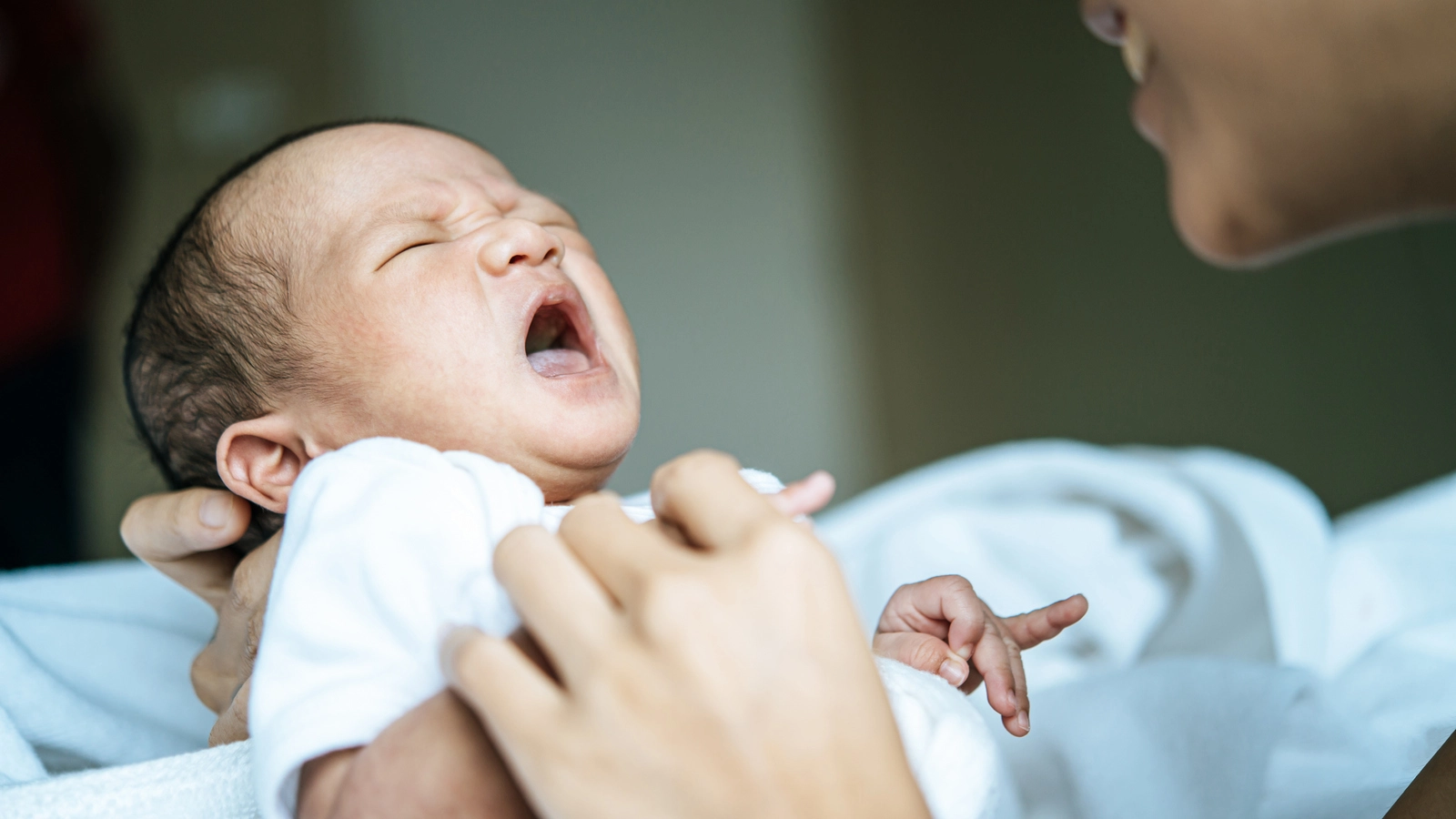
If your little one has diaper rash, they usually become fussy, cry easily when the diaper is changed, or appear uncomfortable when moving. That's why it's very important for Moms to understand the early signs.
Diaper Rash Symptoms
Diaper rash is usually quite easy to recognize, Moms. Generally, your little one's skin will appear reddish, which can be in the form of patches or small spots around the buttocks, groin, or thighs. This area of skin often feels warm to the touch and may even appear slightly swollen. If it becomes severe, the skin can peel, develop sores, or even become pus-filled.
These symptoms usually make the little one more fussy than usual, cry when Moms clean or change their diaper, and appear uncomfortable when moving. If the diaper rash has led to open sores or does not improve within a few days, it is advisable to consult a doctor for further treatment.
Causes of Diaper Rash
Actually, there are many factors that cause diaper rash. Here are some of the most common ones:
Skin is too moist: Skin too moist: Rarely changing diapers keeps the baby's skin in constant contact with urine or feces. This causes irritation and accelerates the growth of bacteria and fungi.
- Friction with diapers: Friction with diapers: Diapers that are too tight or have a rough surface can rub against the baby's skin, causing redness.
- Irritation from certain products: Beberapa sabun, tisu basah, deterjen, atau bedak bayi mengandung parfum & alkohol yang memicu iritasi.
- Fungal or bacterial infection: Fungal or bacterial infections: The warm and humid environment in the diaper area becomes an ideal place for the growth of Candida fungi.
- Use of antibiotics: Use of antibiotics: If the baby or Moms are taking antibiotics, the balance of normal bacteria can be disrupted, leading to the growth of fungi.
How to Prevent Diaper Rash
Prevention is better than cure, Moms. The same goes for diaper rash on your little one. With proper daily care, Moms can minimize the risk of the baby's skin experiencing irritation. Here are some practical steps that Moms can apply.
1. Regularly Changing Diapers
Don't wait for the diaper to be full or leaking before changing it. Try to change your little one's diaper every 3-4 hours, or immediately after they poop. Wearing a diaper for too long will make the buttocks and groin area moist, which can lead to the growth of bacteria and fungi. If moms are disciplined about the frequency of diaper changes, the baby's skin will be much healthier.
2. Gently Clean the Diaper Area
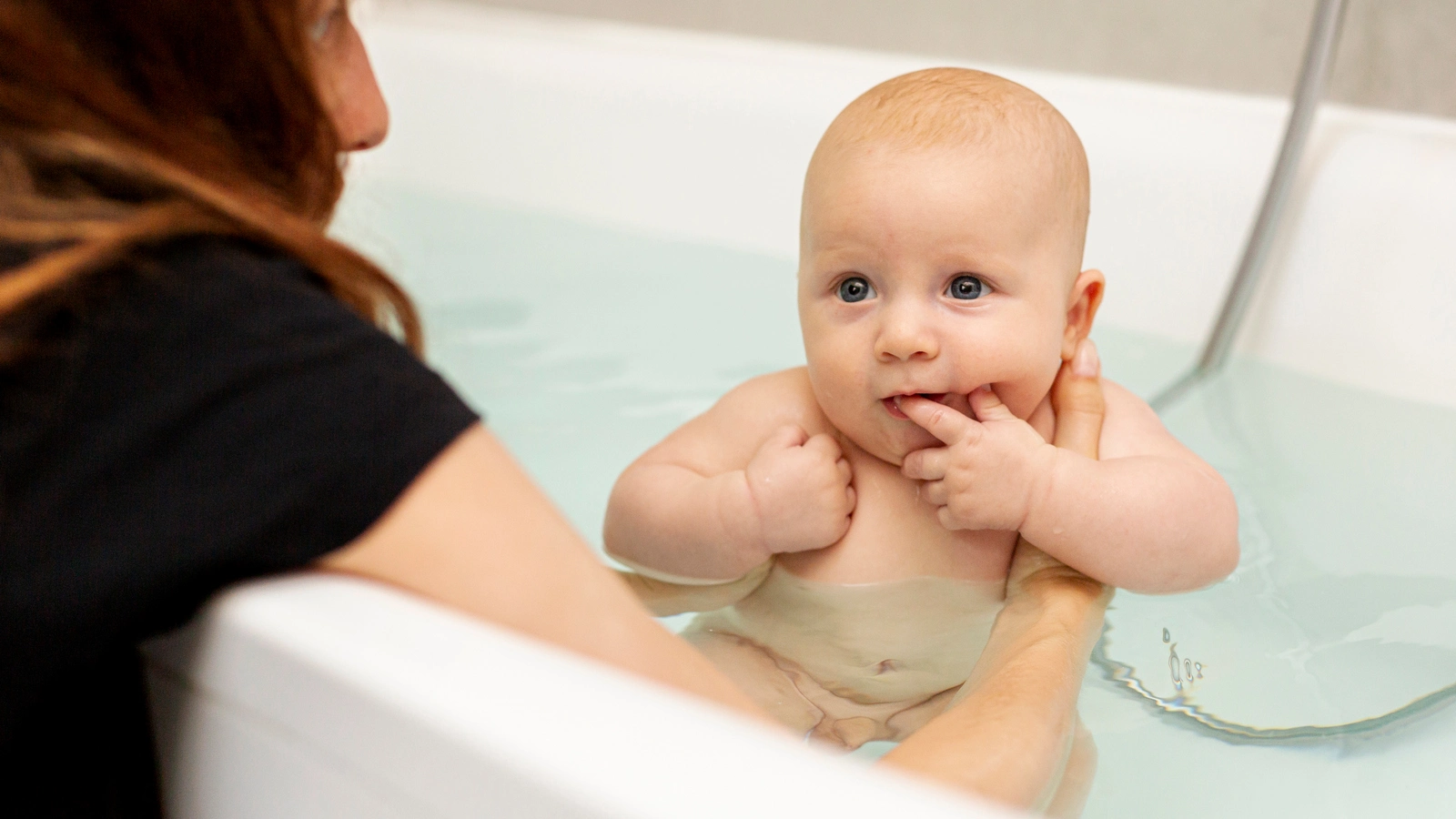
When changing diapers, make sure to clean the baby's bottom, groin, and genital area with warm water. If you want to use soap, choose a baby soap for sensitive skin that is fragrance-free. Avoid scrubbing too hard to prevent the baby's skin from getting chafed. Just gently pat with a soft cloth.
3. Ensure the Skin is Completely Dry
Before putting on a new diaper, make sure the baby's skin is completely dry. Moms can gently pat the area with a soft, dry towel. If the skin is still damp, the risk of rash will remain high even if the diaper has been changed.
4. Use Protective Cream or Ointment
Moms can also apply diaper rash cream or ointment containing zinc oxide as a skin protector. This cream layer will act as a barrier between the baby's skin and urine or feces, reducing friction, and keeping the skin's moisture stable.
5. Give Your Skin Time to Breathe
Do not cover your little one's bottom with a diaper all day too often. Give a break of about 10-15 minutes several times a day without a diaper so that the skin can "breathe." Moms can let the little one lie on their stomach on a waterproof mat or a clean towel.
6. Choose the Right Diaper
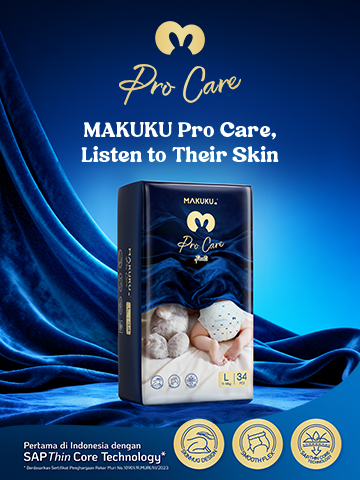
Diapers with high absorbency, soft surface, and good air circulation are very important to prevent rashes. Moms can choose MAKUKU Pro Care, the first anti-clump diaper in Indonesia with SAP Thin Core technology that keeps your little one's skin dry and comfortable, helping to reduce the risk of diaper rash.
When to See a Doctor?
If your little one's diaper rash gets worse, does not improve after 3 days of home treatment, develops open sores, pus, or if your little one becomes feverish and very fussy, immediately take them to the doctor. This is important to ensure your little one receives the right medical care and their skin problem doesn't become more serious.
So, moms, diaper rash is common but can be prevented with simple steps such as changing diapers frequently, keeping the area clean and dry, and choosing diapers with modern technology that are specially designed for super sensitive baby skin.
If your little one already has a rash, don't panic. Continue to care by gently cleaning, use baby diaper rash ointment as recommended by the doctor, and ensure the diaper used is comfortable. If the rash doesn't improve in a few days or gets worse, immediately consult a doctor.