Key Summaries:
A baby’s vision develops gradually from birth until around one year of age. To keep your little one comfortable during this growth period, MAKUKU Skin Health diapers help keep the skin dry with adaptive embossed padding that reduces contact between fluid and skin by up to 50%.
Moms, the question “at what age can babies see?” often comes up in the very first days after birth. Many parents worry when their little one does not yet make eye contact or respond to faces. In fact, this can be completely normal depending on the baby’s age and developmental stage.
From birth, a baby’s vision is not yet fully functional and continues to develop over time. By understanding what normal visual stages look like, you can feel more at ease while accompanying your little one and be more alert when there are signs that need attention.
When Can Babies See?
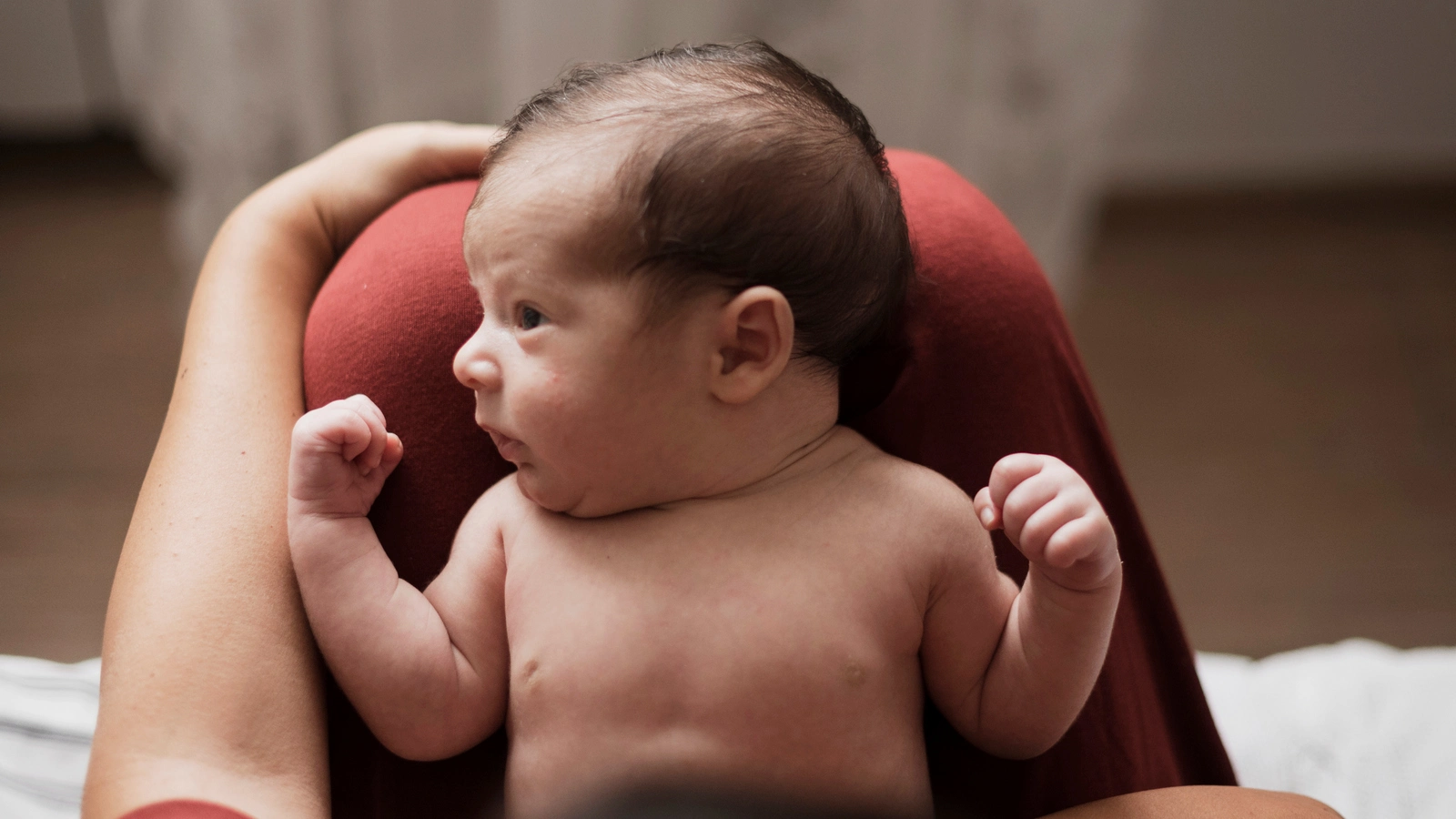
Moms, babies are actually able to see from birth, but their ability is still very limited. Your little one’s vision is still blurry and can only detect objects at close range, especially those with strong differences between light and dark.
In the first few weeks, babies are more sensitive to light and simple shapes than to fine details. That’s why it is normal if your little one cannot yet focus or clearly follow movement. Over time and with stimulation, vision will gradually develop.
Stages of Baby Vision Development
A baby’s visual development happens step by step as they grow. Each phase reflects a different visual skill, from simple focusing to becoming sharper and more coordinated.
Age 1–2 Months
At 1–2 months of age, your little one’s vision begins to improve. Babies can stare at Mom’s face for longer and may follow slow movements, although their focus still shifts often and is not yet fully stable.
Age 3–4 Months
Your little one starts to recognize shapes and high-contrast colors at 3 to 4 months of age. The eyes and hands also begin to work together, so babies appear interested in reaching for objects they see around them.
Age 5–6 Months
At this stage, vision becomes clearer. Babies are able to recognize favorite toys and notice simple details, and they become more active in observing their surroundings.
Age 7–9 Months
Eye coordination becomes more mature, Moms. Your little one can estimate distance, recognize people from a certain distance, and more accurately follow the movement of objects.
Age 10–12 Months
Approaching one year of age, a baby’s vision is almost like that of an adult. Your little one can recognize small objects, distinguish shapes, and move with increasingly good coordination.
Signs of Normal Baby Eyes
Recognizing signs of normal baby eyes is important so you can monitor your little one’s visual development from an early age. Although every baby develops at a different speed, there are some general signs that show vision is on track for their age.
Gradually Improving Focus
In the early months, a baby’s eyes may appear misaligned or often move in different directions. This is still normal, Moms. As they grow, your little one’s eye focus will become more stable and both eyes will start to work more evenly.
Response to Light
Babies with normal vision usually react when they see bright light. Your little one may squint, turn away, or look interested in the light source, which shows the optic nerves are beginning to function well.
Tracking Moving Objects
As vision develops, your little one will start to track moving faces or objects with their eyes. This response shows that coordination between the eyes and the brain is improving.
Eye Contact with Close Caregivers
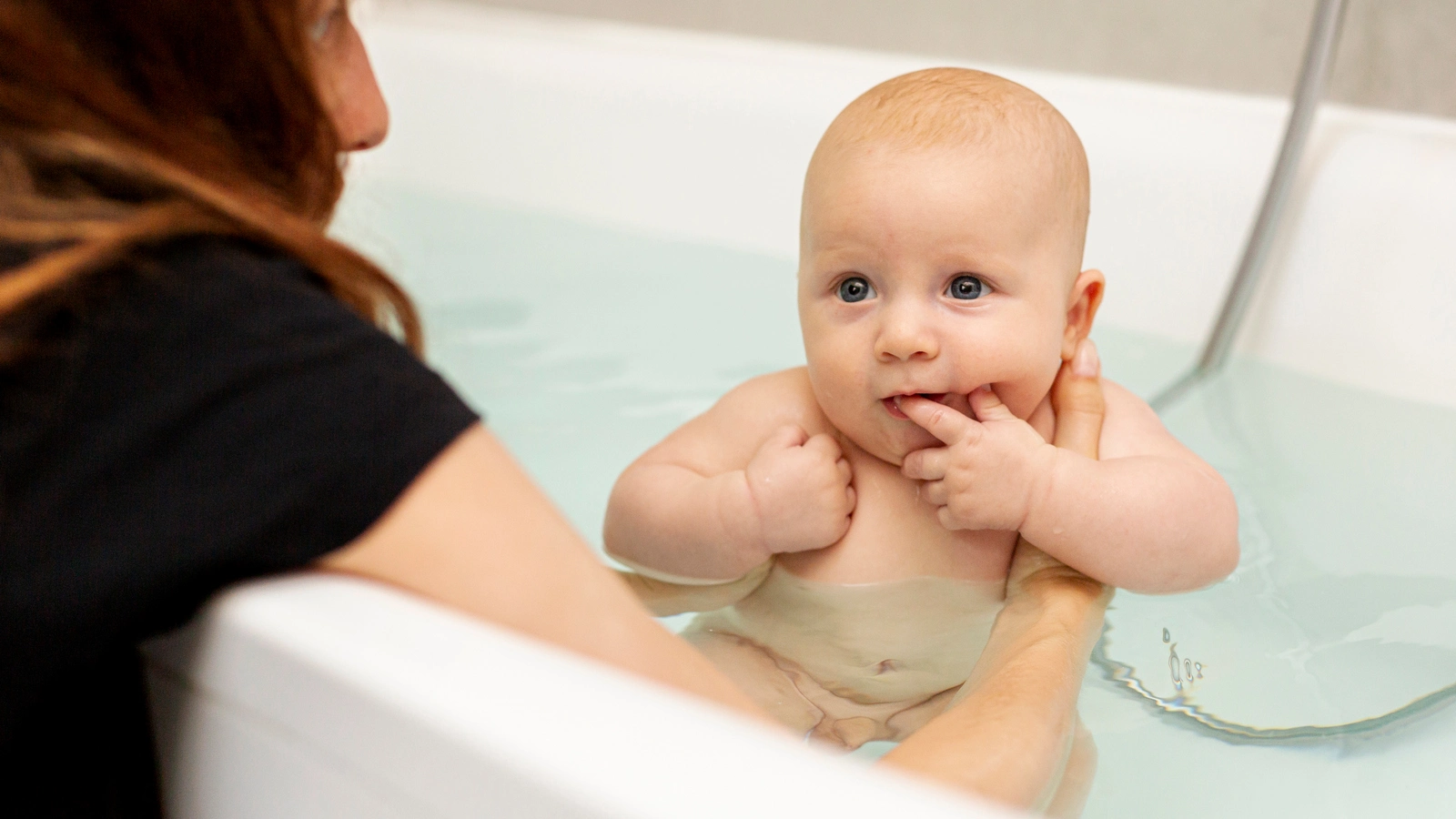
You may notice your little one starts to gaze at faces for longer, especially when being spoken to. This eye contact is an important sign that babies are beginning to recognize expressions and feel comfortable in their surroundings.
Eyes Look Clear and Not Watery
Physically, a baby’s normal eyes look clear, not red, and not excessively watery. If your little one often rubs their eyes without an obvious cause, you can start paying closer attention.
How to Stimulate Baby Vision
Visual stimulation helps your little one recognize shapes, colors, and movement from early on. You don’t need complicated methods; simple daily activities are effective as long as they are done consistently and tailored to your baby’s age.
Use High-Contrast Toys
Toys in black, white, or red are easier for babies to see. High-contrast colors help your little one practice focusing, especially in the early months when vision is still limited.
Make Eye Contact During Interaction
When talking, breastfeeding, or changing diapers, try to look into your baby’s eyes. Eye contact helps babies recognize facial expressions while naturally training their focusing ability.
Let Baby Observe the Environment
Occasionally invite your little one to look around, such as out a window or at the garden. Changes in light and objects help train visual sensitivity without overwhelming the baby.
Move Objects Slowly
You can move a toy or your hand slowly in front of your baby. Gentle movement helps your little one learn to follow objects with their eyes and trains visual coordination.
Provide Enough Play Time
Undisturbed playtime is important for visual stimulation. Make sure your little one has the chance to comfortably observe objects and people around them.
Signs of Possible Vision Problems in Babies
Moms, besides understanding normal development, it is also important to recognize signs that may indicate a visual problem. Early detection helps your little one receive proper treatment and supports optimal growth and development.
Eyes Not Focusing for a Long Time
If after 4 months of age your little one’s eyes still often appear crossed or move in different directions, this needs attention. While it can still be normal occasionally, persistent poor focus should be consulted with a doctor.
No Response to Light or Movement
Babies are usually attracted to light or moving objects. If your little one appears not to react at all, you should be more cautious because this may indicate a vision problem.
Unusual Eye Movements
Eye movements that shake rapidly, roll frequently, or move uncontrollably can indicate an issue with the optic nerves. This condition should be examined promptly by a medical professional.
Rarely Making Eye Contact
If your little one rarely looks at your face or avoids eye contact, this may be related to their visual ability or overall visual development.
Eyes Often Watery or Red
Eyes that are constantly watery, appear red, or are frequently rubbed without an obvious cause may indicate irritation or another issue. Moms should not ignore this sign.
Conclusion
Understanding at what age babies can see helps you realize that your little one’s vision develops gradually from birth. By knowing the developmental stages and normal signs, you can feel calmer while monitoring your baby’s visual growth.
Maintaining your little one’s skin health is a long journey that starts with the right choices. MAKUKU presents MAKUKU Skin Health, diapers specially designed with adaptive embossed padding to help reduce contact between fluid and skin by up to 50%. With high absorbency and soft materials, MAKUKU Skin Health is suitable to accompany your little one for up to 12 hours. Your baby’s skin will also be free from irritation because these diapers have undergone strict dermatological testing in Germany by Dermatest GmbH, an independent institution with international standards.
FAQ
Can newborn babies see their mother’s face?
Yes, Moms. Newborn babies can see their mother’s face at close range, although it is still blurry.
When do babies start seeing colors clearly?
Generally at 4–5 months of age, babies begin to recognize colors, especially bright and high‑contrast ones.
Is squinting in babies normal?
It is still normal in the early months. However, if it continues after 4 months, it is best to have your baby examined by a doctor.
Is special stimulation needed for baby eyes?
It does not need to be complicated. Regular interaction, eye contact, and simple toys are enough to help visual development.
Are MAKUKU Skin Health diapers safe for sensitive baby skin?
Yes, these diapers use soft materials and are dermatologically tested, helping keep your baby’s skin comfortable and reducing the risk of irritation.
What are the advantages of MAKUKU Skin Health diapers compared to regular baby diapers?
MAKUKU Skin Health diapers have adaptive embossed padding that helps reduce contact between fluid and skin by around 50% and has high absorbency to keep your baby’s skin dry for longer.