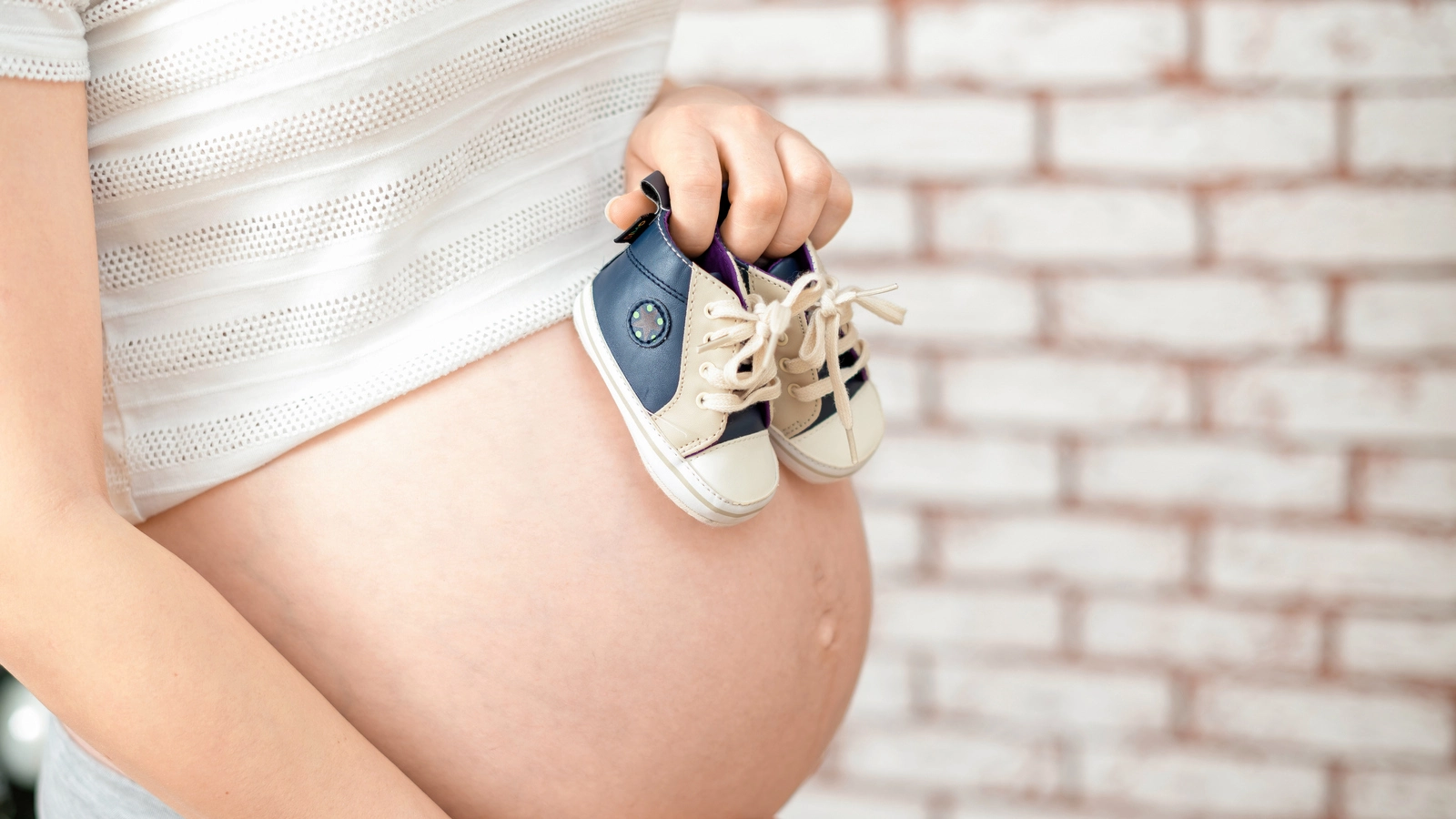
Various physical changes during the first trimester are often believed to be signs of carrying a baby boy, such as not experiencing nausea, craving salty foods, or having a certain belly shape. However, these signs are myths and have not been medically proven to determine a baby’s sex.
After finding out that she is pregnant, Moms may start wondering about the sex of her baby. It is not uncommon for family members or people around her to associate physical changes during pregnancy with the baby’s sex.
Some of these changes are even believed to be signs of carrying a baby boy in the first trimester. From belly shape to food cravings, these signs are often discussed, but they do not necessarily have a medical basis.
14 Myths About Signs of Carrying a Baby Boy in the First Trimester
There are no specific physical changes during the first trimester that can confirm that Moms is carrying a baby boy. Here are some common myths and the facts behind them.
1. Not Experiencing Morning Sickness
One common belief is that not experiencing morning sickness means Moms is carrying a baby boy. In reality, nausea and vomiting during pregnancy can vary from one mother to another.
Morning sickness is influenced by hormonal changes and various other factors. Therefore, whether or not Moms experiences nausea cannot be used to determine the baby’s sex.
2. Craving Salty or Savory Foods
Moms who frequently crave salty or savory foods are sometimes thought to be carrying a baby boy. This belief is one of the more popular pregnancy myths.
Food cravings during pregnancy can be influenced by various factors, including hormonal changes, taste preferences, and eating habits. There is no evidence that food cravings can indicate a baby’s sex.
3. Clear, Glowing Skin
Skin that looks clearer or more glowing is also often associated with carrying a baby boy. This myth is sometimes explained by the belief that hormones from a male baby make the mother’s skin healthier.
In reality, skin condition during pregnancy can be influenced by hormonal changes, oil production, skincare routines, and other factors. The appearance of the skin cannot be used to determine a baby’s sex.
4. Dry, Dull, or Acne-Prone Skin
Conversely, there is also a myth that dry, dull, or acne-prone skin is one of the signs of pregnancy with a baby boy. Skin changes can indeed occur during pregnancy, but they are not specifically associated with the baby’s sex.
Hormonal changes can affect Moms’ oil production and skin condition. Therefore, every mother may experience different skin changes during the first trimester.
5. Thicker and Shinier Hair
Hair that looks thicker, stronger, or shinier is sometimes said to be a sign that Moms is carrying a baby boy. However, there is no medical evidence showing a relationship between hair growth in the mother and the baby’s sex.
Hormonal changes during pregnancy can affect the hair growth cycle. Hair condition can also be influenced by nutrition, hair care, and Moms’ overall health.
6. More Frequent Headaches
Another myth states that experiencing headaches more frequently is one of the signs of carrying a baby boy in the first trimester. In reality, headaches can occur during pregnancy for various reasons.
Hormonal changes, fatigue, lack of sleep, dehydration, or changes in blood sugar levels may play a role. Therefore, the frequency of headaches cannot be used to predict the baby’s sex.
7. Cold Feet
Cold feet are also sometimes considered a sign that Moms is carrying a baby boy. However, the sensation of cold feet can be influenced by environmental temperature and circulation.
If the feet constantly feel very cold or are accompanied by changes in color, pain, or numbness, Moms should consult a doctor. These symptoms need to be evaluated based on overall health.
8. Urine Appears More Yellow or Darker
Urine that appears more yellow or darker is often believed to be a sign of carrying a baby boy. However, urine color can change due to various factors and is not an indicator of a baby’s sex.
For example, inadequate fluid intake can make urine appear more concentrated. Moms should pay attention to fluid needs during pregnancy and consult a doctor if the urine color changes unusually or is accompanied by other symptoms.
9. Fetal Heart Rate Below 140 Beats per Minute
This is one of the most commonly discussed myths. A fetal heart rate below 140 beats per minute is believed to indicate that the baby is a boy.
In reality, the fetal heart rate can change according to gestational age and the baby’s condition. This number cannot be used to determine whether your little one is a boy or a girl.
10. A Belly That Protrudes or Sits Lower
A belly that appears to protrude forward or sit lower is also often described as a sign of carrying a baby boy. However, the shape of the belly during pregnancy can be influenced by various factors.
The baby’s position, Moms’ body shape, abdominal muscle strength, number of previous pregnancies, and gestational age can all affect the appearance of the belly. Therefore, belly shape cannot confirm the baby’s sex.
11. Weight Gain Only Around the Belly
There is also a belief that Moms carrying a baby boy will gain weight only around the abdomen. However, weight changes during pregnancy can vary from one mother to another.
Weight gain is influenced by fetal growth, the placenta, amniotic fluid, increased blood volume, and changes in the mother’s body tissues. The distribution of weight gain is not an indicator of the baby’s sex.
12. The Right Breast Appears Larger Than the Left
The right breast appearing larger than the left is also sometimes associated with carrying a baby boy. However, differences in breast size can naturally occur.
Hormonal changes during pregnancy can also cause the breasts to become larger and more sensitive. This difference in size cannot indicate the sex of your little one.
13. Not Experiencing Significant Mood Swings
Moms who remain calm and do not experience significant mood swings are sometimes thought to be carrying a baby boy. In reality, emotional changes during pregnancy can vary from one mother to another.
Hormones, fatigue, sleep quality, stress, and various experiences during pregnancy can affect mood. Therefore, Moms’ emotional state cannot be used to determine the baby’s sex.
14. Feeling More Comfortable Sleeping on the Left Side
Certain sleeping positions are also often associated with the baby’s sex. One belief is that Moms who feel more comfortable sleeping on their left side are carrying a baby boy.
Comfort in a particular sleeping position can be influenced by physical changes and individual preferences. Sleeping position also has no established relationship that can be used to determine the sex of your little one.
How to Determine Your Baby’s Sex More Accurately
If Moms wants to know the sex of her baby, medical examinations can provide more accurate information than observing physical changes during pregnancy. The type of examination that can be performed depends on gestational age and medical needs.
- NIPT: NIPT (Non-Invasive Prenatal Testing) is performed using a blood sample from the mother to analyze fetal DNA. In addition to screening for certain chromosomal abnormalities, this test can provide information about the fetus’s sex.
- Ultrasound at the Appropriate Gestational Age: Ultrasound can help examine the baby’s anatomy and development, including sex when the gestational age and fetal position allow it to be assessed. The result can be affected by the baby’s position and the quality of the examination.
- CVS or Amniocentesis Based on Medical Indications: CVS (Chorionic Villus Sampling) and amniocentesis can analyze fetal chromosomes for diagnostic purposes. Both are invasive procedures that are generally performed based on medical indications rather than solely to determine the baby’s sex.
Essentially, not every examination needs to be performed solely to determine the baby’s sex. Moms can consult an obstetrician to determine which examination is appropriate based on gestational age and pregnancy condition.
When Can the Baby’s Sex Be Seen on an Ultrasound?
The baby’s sex may begin to be visible on an ultrasound once the genital structures have developed and the baby’s position allows them to be examined. Generally, the sex is easier to assess during a mid-pregnancy ultrasound, around 18–22 weeks of pregnancy.
However, the result still depends on your little one’s position and the conditions of the examination. Therefore, Moms does not need to look for signs of carrying a baby boy in the first trimester to guess the baby’s sex. If you want more reliable information, consult an obstetrician about the appropriate examination.
Prepare for Your Little One’s Comfort During Pregnancy with MAKUKU Pro Care
Essentially, commonly discussed signs of carrying a baby boy in the first trimester, such as not experiencing nausea, craving salty foods, or having a certain belly shape, have not been proven to determine a baby’s sex. If Moms wants to know the baby’s sex more accurately, examinations such as NIPT or ultrasound at the appropriate gestational age may be options depending on the pregnancy condition and doctor’s recommendations.
In addition to monitoring your little one’s development and sex, Moms can also start preparing various baby essentials for after birth, including comfortable and suitable diapers. MAKUKU Comfort Fit features SAP Thin Core to lock in liquid and help keep the surface dry, Soft Flexi Fit for a soft and snug fit, and Belly Guard Protection to help protect the umbilical cord area of a newborn from friction and irritation.
FAQ
1. Can Signs of Carrying a Baby Boy Be Seen from the Mother’s Physical Changes?
No. Physical changes such as belly shape, skin condition, hair, or breast size cannot confirm the baby’s sex. These changes are more influenced by hormones and each Mom’s individual condition.
2. Can Fetal Heart Rate Determine the Baby’s Sex?
No. Fetal heart rate can change according to gestational age and the baby’s condition, so it cannot be used to determine whether your little one is a boy or a girl.
3. Does Carrying a Baby Boy Mean You Will Not Experience Nausea?
No. Moms carrying a baby boy can still experience nausea and vomiting during pregnancy. Whether or not you experience morning sickness cannot be used to determine the baby’s sex.
4. What Is the Most Accurate Way to Determine the Baby’s Sex?
The baby’s sex can be determined through medical examinations such as NIPT or an ultrasound performed at the appropriate gestational age. A doctor can help determine the most appropriate examination based on Moms’ pregnancy condition and gestational age.