Caring for a baby involves many aspects, including paying close attention to their urinary health. Urination is an important sign that a baby’s urinary system is functioning properly. However, certain urinary tract issues may cause a baby to urinate less frequently or have difficulty passing urine, which can be concerning for parents.
The good news is that there are several ways to help encourage healthy urination at home. Ensuring that your baby urinates regularly is essential for maintaining their health, hydration, and overall comfort.
Normal Urination Frequency in Babies
The normal frequency of urination in babies can vary depending on their age, feeding habits (breast milk or formula), and overall health condition. Regular urination is also a sign that your baby is getting enough fluids and that their urinary system is working properly.
In general:
- Newborns (0–1 month): typically urinate about 6–12 times per day.
- Babies aged 1–6 months: usually urinate around 6–8 times per day.
- Babies over 6 months old: who have started solid foods generally urinate about 4–6 times per day.
If your baby urinates less frequently and shows symptoms such as dark-colored urine, fever, or unusual lethargy, consult a healthcare professional promptly.
Causes of Infrequent Urination in Babies
A baby who rarely urinates may be experiencing an underlying health issue. Several factors can contribute to reduced urination, ranging from dehydration to medical conditions.
1. Bladder Development and Nervous System Maturation
The bladder and brain work together to regulate urination. Proper coordination between these organs helps determine when and how often a person urinates. Any disruption in this coordination may affect urinary frequency and contribute to infrequent urination in babies.
2. Dehydration
Dehydration is one of the most common reasons babies urinate less frequently. Because babies have smaller bodies and fluid reserves than adults, they are more vulnerable to fluid loss and can become dehydrated more quickly.
3. Urinary Tract Infection (UTI)
A urinary tract infection (UTI) can cause discomfort and difficulty urinating. UTIs occur when bacteria or other microorganisms enter the urinary tract, including the bladder and urethra, causing inflammation and irritation.
4. Fever or Hot Weather
Fever and extreme heat can affect a baby's urination frequency. Fever may increase fluid loss through sweating, reducing the body's fluid levels. Similarly, hot weather can lead to faster dehydration, causing babies to urinate less often.
5. Urinary Tract Obstruction
A urinary tract obstruction occurs when the flow of urine from the bladder is partially or completely blocked. This condition can make it difficult for a baby to urinate normally and may result in infrequent urination.
How to Help Your Baby Urinate More Easily
Urination frequency varies according to age, feeding patterns, and individual health factors. If you're concerned about your baby's urination habits, the following strategies may help promote healthy urinary function.
1. Ensure Adequate Breast Milk or Formula Intake
Providing enough breast milk or formula is essential for maintaining proper hydration. Fluids play a vital role in supporting healthy kidney and urinary tract function.
2. Monitor Your Baby's Urination Pattern
Tracking how often your baby urinates can help determine whether they are adequately hydrated. Regular wet diapers generally indicate sufficient fluid intake.
3. Use a Comfortable Position During Urination
Ensuring your baby is comfortable can help them relax, making the urination process easier. A calm and secure environment may contribute to smoother urination.
4. Clean the Diaper Area Gently
Gently cleaning your baby's genital area during diaper changes helps maintain hygiene, prevent infections, and reduce discomfort when urinating.
5. Choose the Right Diaper
A properly fitting diaper can help keep your baby comfortable. Diapers that are too tight may cause irritation and discomfort, potentially affecting urination.
6. Gentle Abdominal Massage
Light tummy massages may help stimulate the digestive and urinary systems. Gentle circular motions on the abdomen can encourage relaxation and support normal bodily functions.
7. Foot Massage
Some babies respond positively to gentle foot massages. This soothing technique may help them relax and encourage urination.
8. Warm Water Stimulation
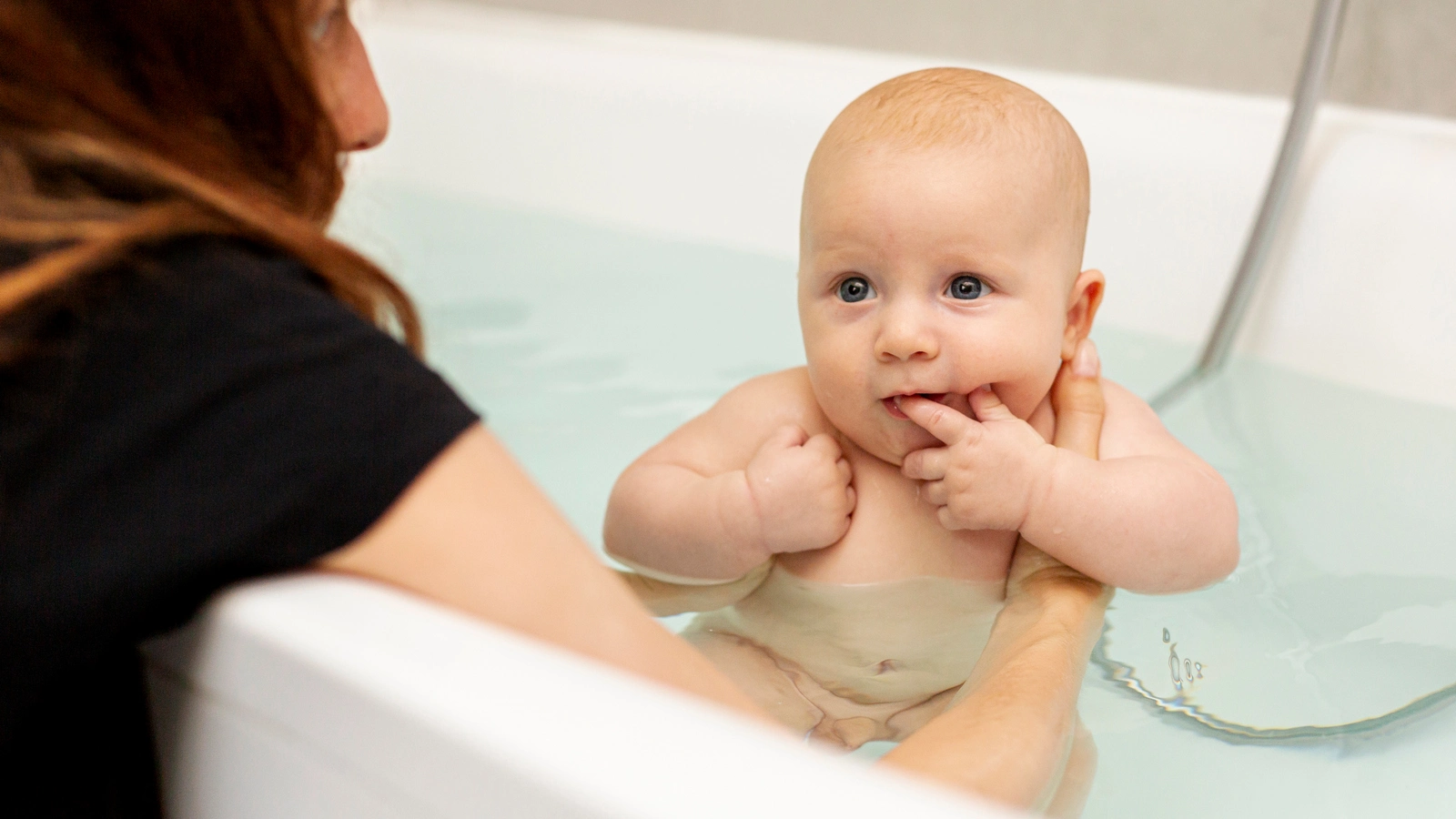
Warm water can sometimes help stimulate urination. A warm bath or gently washing the diaper area with warm water may encourage babies who are having difficulty urinating.
9. Avoid Tight Clothing
Tight clothing around the diaper area can restrict movement and create discomfort. Loose, breathable clothing allows babies to move freely and comfortably.
10. Avoid Leaving Disposable Diapers on for Too Long
Although disposable diapers are highly absorbent, leaving them on for extended periods may cause discomfort. Frequent diaper changes help maintain hygiene and comfort.
Conclusion
Ensuring that your baby urinates regularly is important for maintaining their health, hydration, and comfort. Parents can try the methods above to help encourage normal urination. However, if your baby's urination remains infrequent or is accompanied by symptoms such as fever, lethargy, dark urine, or signs of illness, consult a healthcare professional for further evaluation and guidance.
Frequently Asked Questions (FAQ)
1. How many times should a newborn urinate each day?
Newborns generally urinate between 6 and 12 times per day, although this may vary depending on feeding and hydration levels.
2. Is it normal for babies to urinate less during hot weather?
Hot weather can increase fluid loss through sweating, which may temporarily reduce urination frequency if fluid intake is not sufficient.
3. What are the signs of dehydration in babies?
Signs may include fewer wet diapers, dark urine, dry lips or mouth, sunken eyes, irritability, or unusual sleepiness.
4. Can a urinary tract infection cause a baby to urinate less?
Yes. UTIs can cause discomfort, difficulty urinating, and changes in urinary frequency.
5. When should parents seek medical attention?
Parents should contact a healthcare provider if their baby has significantly reduced urination, dark urine, fever, persistent fussiness, lethargy, or other concerning symptoms.