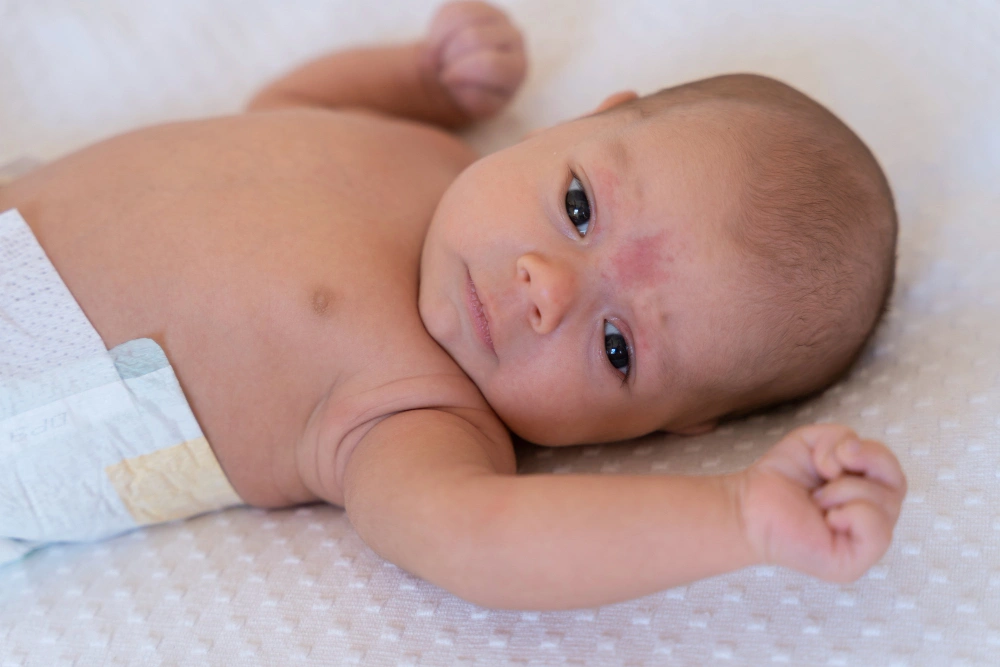
A baby's skin is still very smooth, soft, and sensitive. However, it is very prone to various skin problems, one of which is red spots on the baby's skin. This condition often worries Moms, especially if the red spots appear suddenly or are accompanied by itching.
Actually, most red spots on a baby's skin are not signs of a dangerous disease, but it is still important to pay attention to the causes so they can be handled properly. Let's find out what causes red spots on a baby's skin and how to address them to keep your little one's skin healthy and comfortable.
Causes of Red Spots on Baby's Skin
Red spots on a baby's skin can be caused by various factors, ranging from mild irritation to allergic reactions. Here are some of the most common causes in Indonesia.
1. Prickly Heat (Miliaria)
Indonesia has a hot and humid tropical climate. These conditions can easily cause heat rash in babies, especially if they sweat a lot or wear thick clothing.
Heat rash occurs when sweat glands become blocked, causing small red spots to appear on the baby's neck, chest, back, or armpits. Usually, heat rash is harmless and will disappear if the skin is kept dry and cool.
2. Diaper Rash
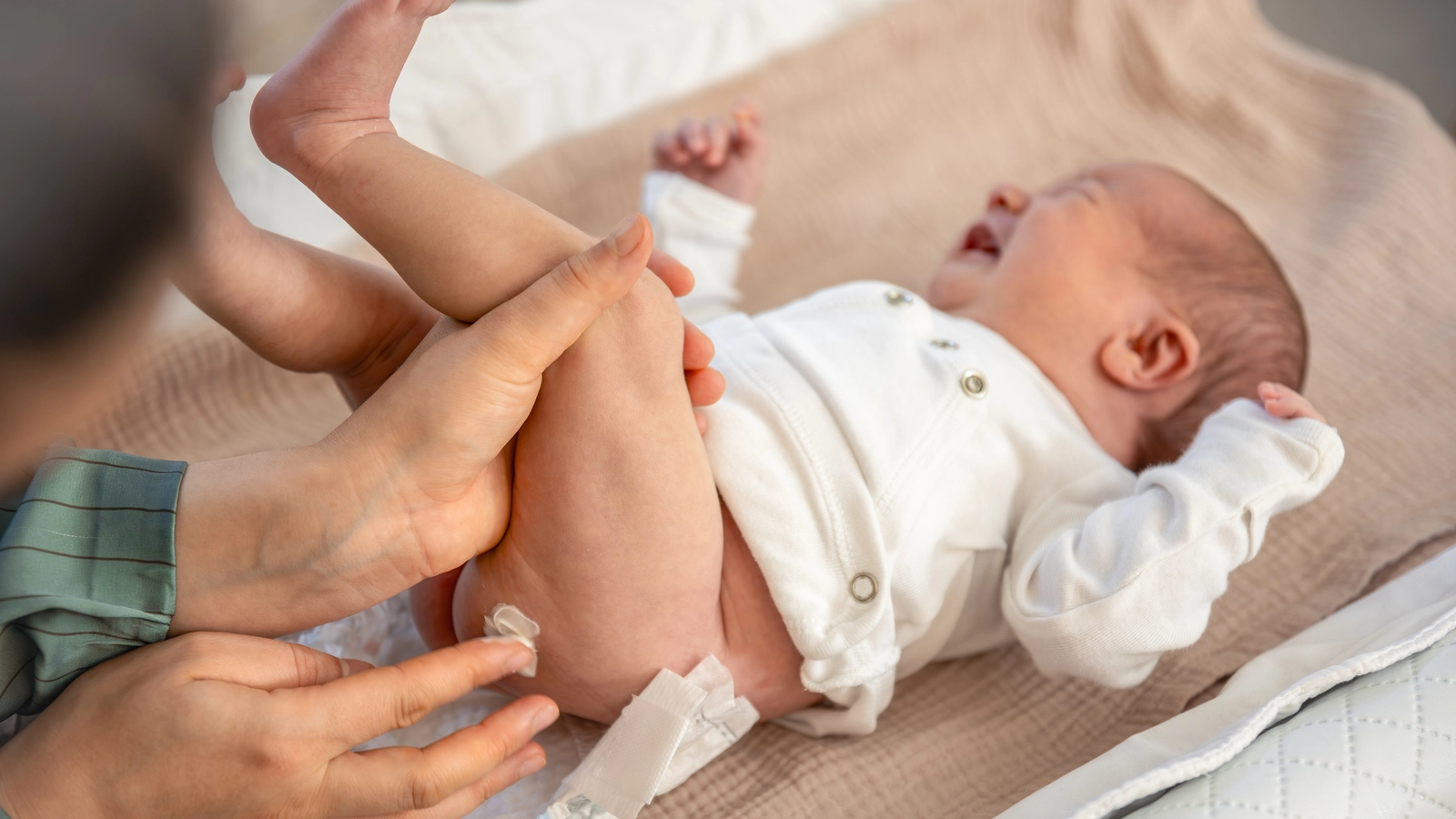
Diaper rash is the most common cause of red spots on a baby's buttocks and thigh folds. Moist diapers that are rarely changed or are too tight can cause irritation.
Bacteria and fungi can also thrive in these enclosed areas, causing diaper rash with red spots that feel itchy or painful.
According to data from the Indonesian Pediatric Society (IDAI), around 35–50% of babies in Indonesia experience diaper rash at least once in the first six months of their lives.
3. Skin Allergy
Allergies in babies can be caused by food, formula, or exposure to certain chemicals such as soap, lotion, or detergent. Formula allergies, for example, can cause red spots on the baby's face, chest, or back, accompanied by itching.
If you have recently changed skin care products or diapers, try to see if the red spots appear after that.
4. Eczema or Atopic Dermatitis
Eczema is a chronic skin inflammation that causes dry, itchy skin and red patches. This condition is more common in babies with a family history of allergies or asthma.
Eczema often appears on the cheeks, neck, and inner elbows or knees. Although it is not contagious, eczema needs to be treated with special moisturizing cream for babies and a doctor's examination if it is severe.
5. Fungal or Bacterial Infection
Moist baby skin can be a breeding ground for fungi such as Candida albicans. Fungal infections often attack areas such as the thighs, armpits, or neck of babies.
Meanwhile, bacterial infections are usually characterized by red spots that are pus-filled or crusty. If this occurs, consult a doctor immediately.
6. Insect Bites
Mosquito or ant bites can cause small red spots on a baby's skin that feel itchy. Moms need to ensure the Little One's sleeping area is free of insects and use a mosquito net while sleeping.
7. Reaction to Vaccines
Some vaccines can cause mild side effects such as red spots around the injection area. They are usually harmless and will disappear within a few days.
How to Treat Red Spots on Baby's Skin
Handling red spots depends on the cause. However, there are some general steps that Moms can take to care for the Little One's skin at home.
1. Maintain the Cleanliness and Moisture of Baby's Skin
Bathe the baby with warm water and gentle hypoallergenic baby soap without fragrance. Avoid antibacterial soap as it can make the skin drier. After bathing, gently dry the baby's body, then apply baby moisturizer cream to maintain skin moisture.
2. Change Diapers Regularly
Make sure to change the diaper every 3–4 hours, or immediately after the baby has a bowel movement. Use diapers with high absorbency and a soft surface to keep the baby's skin dry and prevent diaper rash.
Each time you change a diaper, clean the buttocks area and thigh folds with warm water, dry them, then use baby rash ointment or diaper rash medication containing zinc oxide for extra protection.
3. Choose Soft, Thin, and Anti-Clump Diapers
Diapers that are too thick or clumpy can cause excessive friction and retain heat, leading to baby skin irritation and prickly heat.
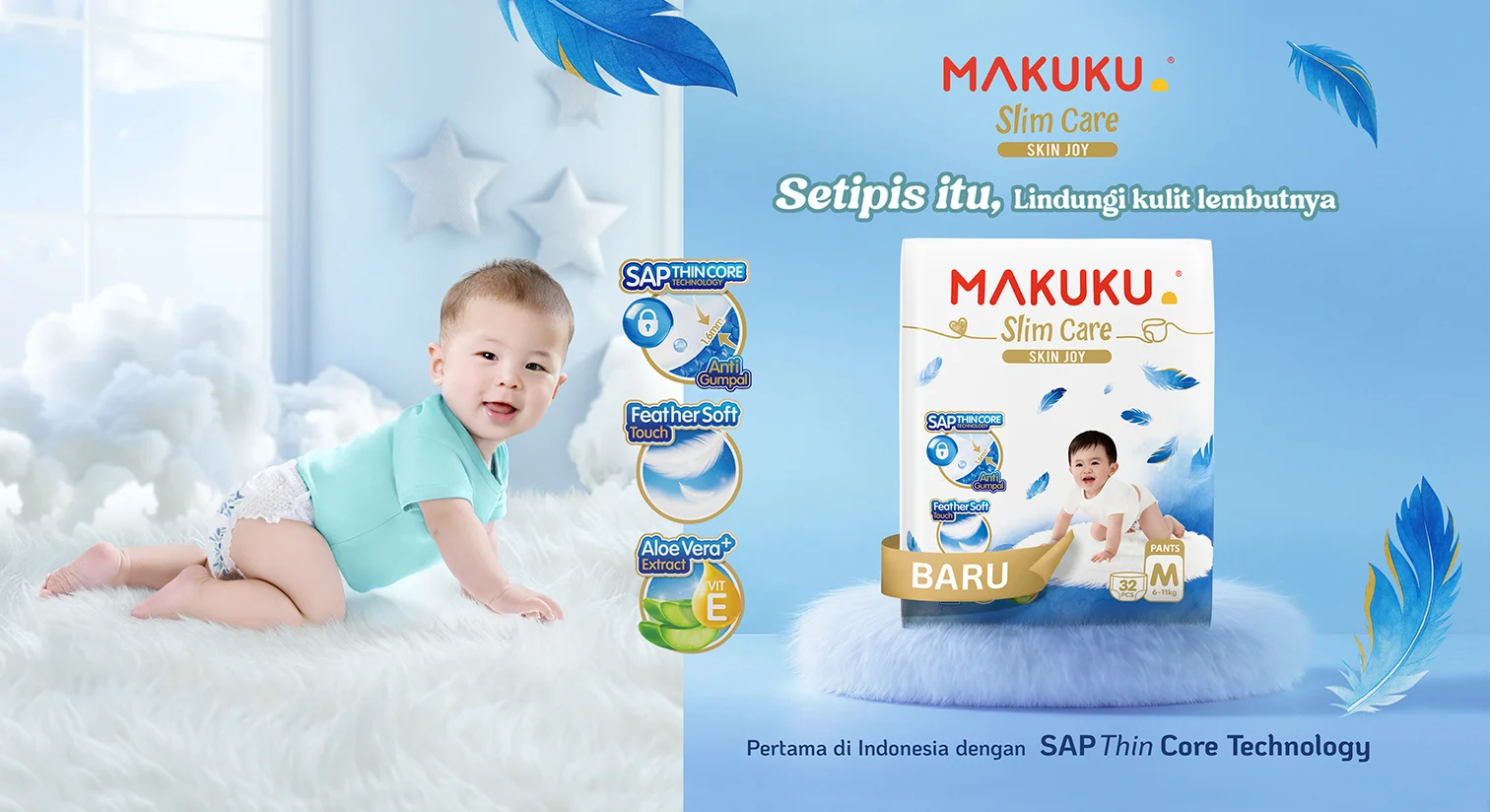
To prevent it, Moms can choose premium diapers like MAKUKU Skin Joy, the pioneer of anti-clump diapers in Indonesia with SAP Thin Core technology. These diapers have high absorbency that keeps the surface dry and remain thin at 1.6 mm so your little one can move freely as comfortably as without a diaper.
Some advantages of MAKUKU Skin Joy that support baby skin health:
- SAP Thin Core Technology: locks in liquid evenly and is anti-clump, keeping the surface dry.
- Feather Soft Touch: extra soft material like the touch of fine feathers to minimize friction.
- Aloe Vera Extract and Vitamin E: help maintain baby's skin moisture, prevent irritation, and soothe sensitive skin.
- Dermatologically tested: effective in preventing diaper rash and safe for baby's sensitive skin.
- Ergo Elastis: elastic design that fits the body with air circulation and wetness indicator, keeping the skin dry without redness.
With maximum protection from MAKUKU Skin Joy, your little one's skin remains smooth, soft, and free from red spots.
4. Wear Loose and Cotton Clothing
Choose clothing that is soft and absorbs sweat. Avoid tight clothing or synthetic materials that can trap heat and trigger excessive sweating.
5. Avoid Products with Fragrance or Alcohol
Some baby lotions, soaps, and detergents contain fragrances or harsh chemicals that can cause baby skin allergies. Use products labeled "fragrance-free" and "hypoallergenic."
6. Keeping the Room Temperature Cool
Hot and humid weather can worsen prickly heat. Use a fan or air conditioning with a temperature of 24–26°C to keep the baby comfortable. Avoid covering the baby with a thick blanket for too long.
7. Cold Compress to Reduce Itching
If the red spots feel itchy, Moms can gently compress the area with cold water for a few minutes to soothe the baby's skin.
8. Use Cream According to Its Cause
- Krim antijamur bayi: jika bintik merah disebabkan jamur (Candida)
- Low-dose hydrocortisone cream: prescription only, for mild eczema
- Antihistamine medication: if recommended by a doctor to treat allergic reactions
9. Ensure Nutrition and Cleanliness are Maintained
If the baby consumes formula milk, make sure Moms choose the type that suits the Little One's condition. For babies with a cow's milk allergy, the doctor may recommend a special hypoallergenic formula.
When to See a Doctor?
Immediately consult a pediatrician or dermatologist if you notice the following signs:
- Red spots did not improve after 3 days of home treatment
- Rash spreads quickly to the entire body
- Blisters containing fluid or pus appear
- The baby appears fussy, feverish, or refuses to breastfeed.
- There are signs of infection such as pus, unpleasant odor, or a widening wound.
The doctor will diagnose the baby's skin rash to determine the exact cause and provide appropriate treatment.
Red spots on a baby's skin are indeed common, especially in tropical countries like Indonesia. However, with proper care and the selection of safe products for a baby's sensitive skin, Moms can help prevent irritation and keep the Little One's skin healthy and soft.
Remember that a baby's skin requires special attention. Always keep it clean, avoid excessive moisture, and choose diapers that are soft, thin, and anti-clump like MAKUKU Skin Joy with SAP Thin Core technology and Aloe Vera extract and Vitamin E to keep the baby's skin dry, comfortable, and rash-free.
Reference
- Indonesian Pediatric Society (IDAI). "Skin Problems in Babies and Their Management." 2023.
- Ministry of Health of the Republic of Indonesia. "Newborn Skin Care in Tropical Climates." 2022.
- Mayo Clinic. “Heat Rash in Infants and Children.” 2024.
- American Academy of Dermatology. “Diaper Rash: Symptoms and Treatment.” 2023.
- WebMD. “Baby Skin Rash: Causes, Treatments, and Prevention.” 2024.